

20
Wealth
🪙
Lucky Penny
United Kingdom
The humble copper coin that promises a turn of fortune when found heads-up.
4.3Learn more →


A rare clover mutation found in lawns and meadows, considered the ultimate symbol of natural good luck in American folk tradition.
The four-leaf clover is so embedded in American luck culture that it has become virtually synonymous with the concept of good fortune itself. Arriving with Irish and Scottish immigrants who brought their Celtic reverence for the lucky clover to the New World, the charm found fertile ground in American folk consciousness and became one of the most recognized luck symbols in the country. Finding a four-leaf clover in a patch of common three-leaf clovers is a genuine rarity — roughly one in 10,000 clovers carries the fourth leaf — making the find itself feel like a blessing.
In American tradition, each leaf of the four-leaf clover carries a specific blessing: faith, hope, love, and luck. Some variations add wealth to the fifth leaf if a five-leaf clover is found (which is even rarer). The act of finding one requires patience, a keen eye, and a kind of receptive attention to the small world at your feet — qualities that are themselves considered lucky.
Pressing and saving a found four-leaf clover is the traditional way to preserve and use it. Many Americans have childhood memories of carefully pressing clovers between the pages of heavy books, creating a personal archive of lucky finds. Commercial four-leaf clover charms reproduce the shape in gold, silver, or green enamel, bringing the luck symbol to those who want portable fortune without the search.
The Four-Leaf Clover (American) traces its origins to United States (adapted from Celtic/Irish tradition), where it has been revered for generations as a powerful symbol of good fortune and positive energy. Historical records and oral traditions suggest that early versions of this charm appeared centuries ago, when communities in United States (adapted from Celtic/Irish tradition) first began attributing supernatural qualities to objects drawn from their natural and spiritual environment.
Over time, the Four-Leaf Clover (American) evolved from a regional folk object into a widely recognized talisman. Traders, travelers, and migrants carried it across borders, introducing it to new cultures that often adopted and adapted it to fit their own belief systems. Today it is found in united states, canada and beyond, each culture adding its own layer of meaning and ritual to the charm's enduring legacy.
In its homeland of United States (adapted from Celtic/Irish tradition), the Four-Leaf Clover (American) occupies a revered place in both daily life and ceremonial practice. It is not merely decorative — it is woven into the fabric of cultural identity, appearing in celebrations, rites of passage, and household traditions that have been passed down through generations.
Beyond United States (adapted from Celtic/Irish tradition), the Four-Leaf Clover (American) has gained recognition in united states, canada and other regions, where it is valued for its symbolic connection to universal good luck. Scholars of material culture and anthropologists note that charms like the Four-Leaf Clover (American) serve a dual psychological function: they provide a tangible focus for hope and intention, and they connect their owners to a living cultural tradition that transcends individual experience.
To get the most from your Four-Leaf Clover (American), keep it in a place where you will see it daily — on a desk, nightstand, or near your front entrance. Physical proximity reinforces the intention behind the charm and serves as a regular reminder of your goals.
Traditional practice recommends handling the charm with clean hands and respectful intention. Many practitioners in United States (adapted from Celtic/Irish tradition) advise setting a clear purpose when you first acquire the charm: hold it, state your wish or goal silently or aloud, and then place it in its chosen position. Periodically cleansing the charm — by passing it through incense smoke, placing it under moonlight, or simply wiping it with a clean cloth — is believed to refresh its energy.
If the charm is meant to be worn (as jewelry or a carried token), keep it close to your body throughout the day. If it is a household object, place it in the area of your home most associated with its purpose — for example, near a workspace for success charms, or by the bed for love and health charms.
The four-leaf clover represents the rare gift of comprehensive blessing — faith to believe in good things, hope to pursue them, love to sustain you through challenges, and luck to tip the scales in your favor. It symbolizes that nature holds gifts for those attentive enough to seek them, and that rarity makes a blessing more precious.
When you find a four-leaf clover, press it between wax paper inside a heavy book for two to three weeks. Keep the pressed clover in your wallet, a locket, or frame it for your home. If you prefer a physical charm, choose a four-leaf clover in green enamel or natural stone to carry with you. Touch it when you need a reminder that luck is with you.
The Guinness World Record for the most four-leaf clovers found in one hour stands at 166, set by an American clover hunter in 2018. Scientists have found that a single genetic mutation — a recessive trait — causes the fourth leaf, and some clover patches have higher rates of the mutation than others, creating genuine 'lucky spots.'
Scan entire patches of clover with a soft, unfocused gaze rather than examining individual plants one at a time. Four-leaf clovers often cluster near the edges of clover patches. Patches near old garden areas, roadsides, or areas with slightly disturbed soil tend to have higher rates of the genetic mutation.
Folk tradition varies on this. Some say giving a found clover away transfers all the luck to the recipient, making it a generous gift. Others say the luck multiplies when shared. Many people gift clovers to loved ones going through difficult times as a tangible token of care and fortune.
A manufactured clover charm carries the symbolic power of the four-leaf clover image but lacks the element of rare, unexpected discovery that charges the natural clover with luck energy. Both have value — one as a symbol, one as an event. Many people carry both a charm version and preserve a found clover when they're lucky enough to find one.
The Four-Leaf Clover (American) originates from United States (adapted from Celtic/Irish tradition), where it has been used as a general charm for centuries. Its influence has since spread to united states, canada and many other regions worldwide.
When you find a four-leaf clover, press it between wax paper inside a heavy book for two to three weeks. Keep the pressed clover in your wallet, a locket, or frame it for your home. If you prefer a physical charm, choose a four-leaf clover in green enamel or natural stone to carry with you. Touch it when you need a reminder that luck is with you. For best results, set a clear intention when you first acquire the charm and keep it in a prominent, respectful location.
Yes, giving a Four-Leaf Clover (American) as a gift is considered a generous and meaningful gesture in most traditions. In United States (adapted from Celtic/Irish tradition), gifted charms are often believed to carry even stronger energy than those purchased for oneself, because they come with the goodwill and intention of the giver.
Many practitioners recommend periodically cleansing your Four-Leaf Clover (American) to refresh its energy. Common methods include passing it through incense smoke, placing it in moonlight overnight, rinsing it under clean water (if the material allows), or simply wiping it down with a clean cloth while setting a fresh intention.
While the Four-Leaf Clover (American) originated in the cultural traditions of United States (adapted from Celtic/Irish tradition), it is not exclusive to any single religion. It has been adopted and adapted by people of many faiths and backgrounds, each bringing their own interpretation to its symbolism and use.
United Kingdom
The humble copper coin that promises a turn of fortune when found heads-up.
United Kingdom
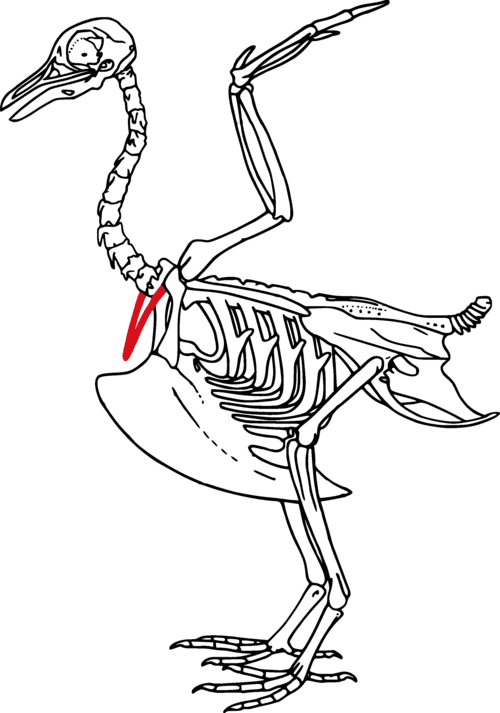
The forked bird bone over which two people compete for their heart's desire.

United Kingdom
The carried token of the animal renowned across cultures for its fecundity and quick fortune.

