

2
General
🍀
Four-Leaf Clover
Ireland
The rarest clover mutation, treasured as nature's own lucky charm.
4.9Learn more →

Americas - North
21 charms from this country
Canada's charm tradition is shaped by its Indigenous heritage, French Catholic influence, British Protestant tradition, and a continuously arriving wave of immigrants from every part of the world. The Inukshuk — the stone figure built by Inuit people as waymarkers and navigational aids — has become Canada's most distinctive national symbol and lucky charm, representing guidance, cooperation, and safe passage. It appeared at the 2010 Vancouver Olympics as the central logo.
Indigenous traditions across Canada's many First Nations include medicine bundles, dreamcatchers, and thunderbird amulets that carry protection and luck. French-Canadian Catholic practice adds saint medals, rosary beads, and ex-votos. The horseshoe, four-leaf clover, and other pan-Western European luck objects are standard in the English-speaking provinces. The hockey stick and puck — deeply Canadian symbols — carry their own folk luck superstitions in hockey culture.
Ireland
The rarest clover mutation, treasured as nature's own lucky charm.
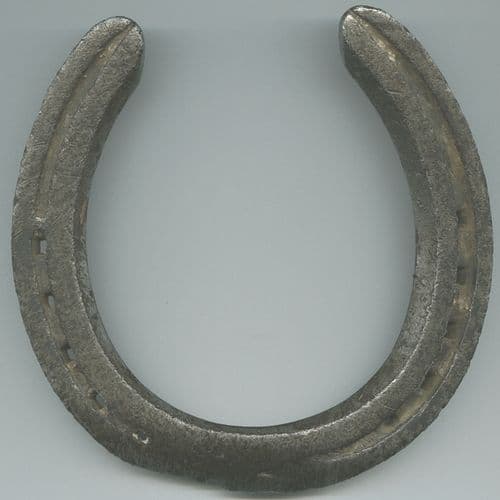
United Kingdom
An iron crescent hung above doorways to catch and hold good luck.

Ojibwe Nation, North America
A woven hoop hung above the bed to filter nightmares and allow only good dreams to pass through.

United Kingdom
The spotted red beetle that brings good fortune to whoever it lands upon.

United Kingdom
The humble copper coin that promises a turn of fortune when found heads-up.
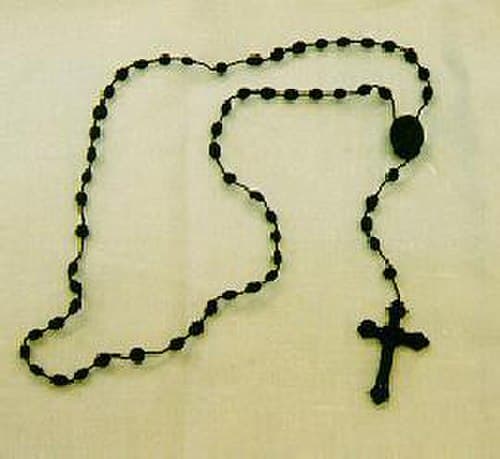
Medieval Europe
Rosary beads are the most recognizable Catholic prayer tool in the world, used by hundreds of millions for meditative prayer, protection, and the invocation of divine grace.

France
The patron saint of travellers whose medal has accompanied millions on journeys.

Pan-Indigenous North America
A sacred symbol across countless Indigenous cultures representing freedom, spiritual connection, and messages from the divine.
United States (adapted from European tradition)
An iron horseshoe hung above doors to collect and hold good luck, one of North America's most enduring folk charms.
United States (adapted from Celtic/Irish tradition)
A rare clover mutation found in lawns and meadows, considered the ultimate symbol of natural good luck in American folk tradition.
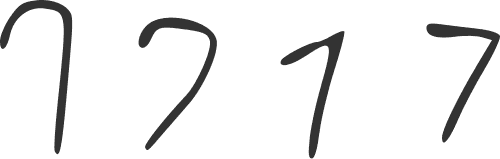
United Kingdom
The most universally lucky number in Western culture, encoded in the cosmos itself.

Pan-Indigenous North America
A small sacred pouch containing personally meaningful objects that serve as a spiritual anchor, protection, and connection to one's power.
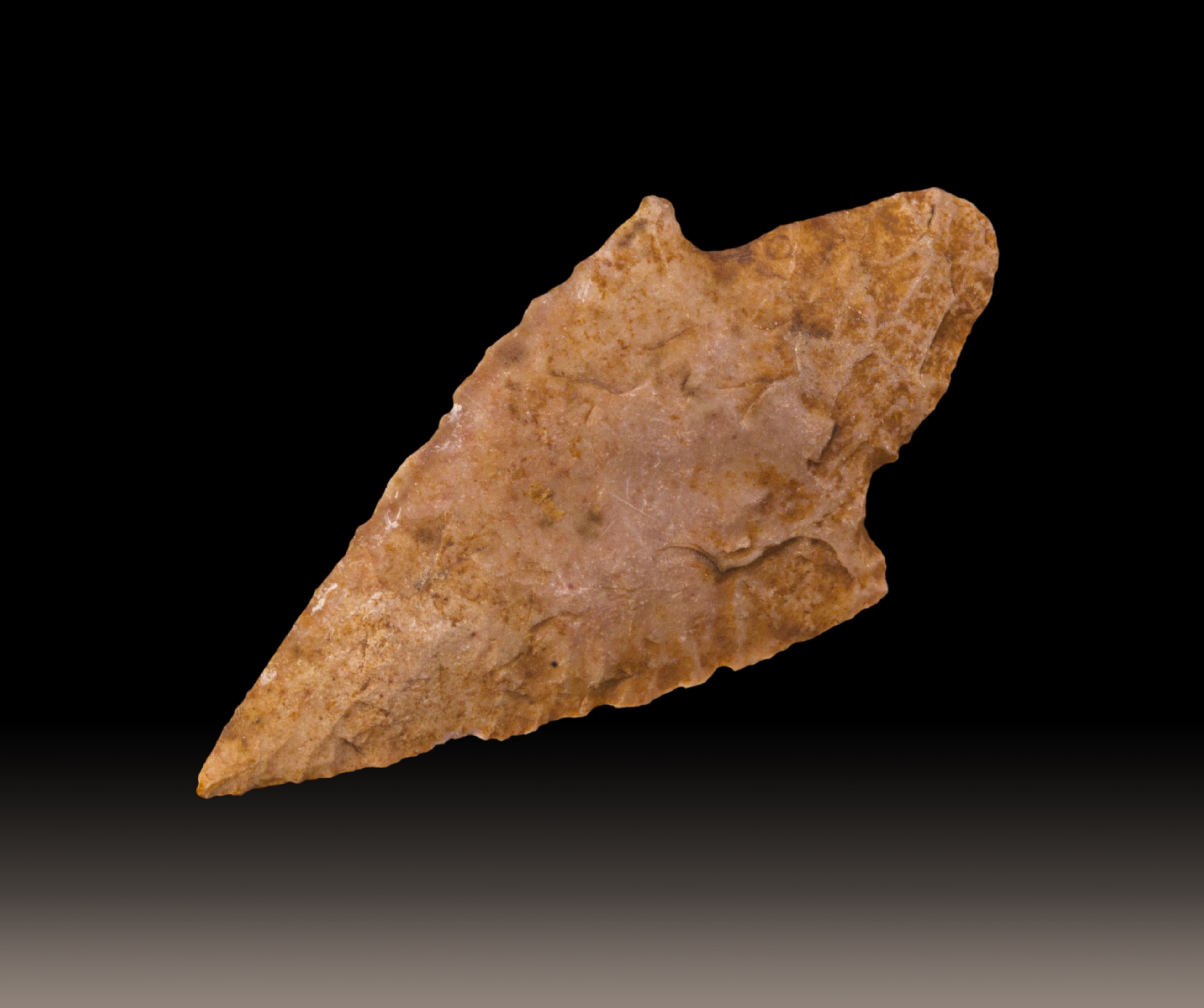
Pan-Indigenous North America
Ancient stone points worn as amulets to deflect evil spirits and negative energy, honoring the skills of ancestral hunters.
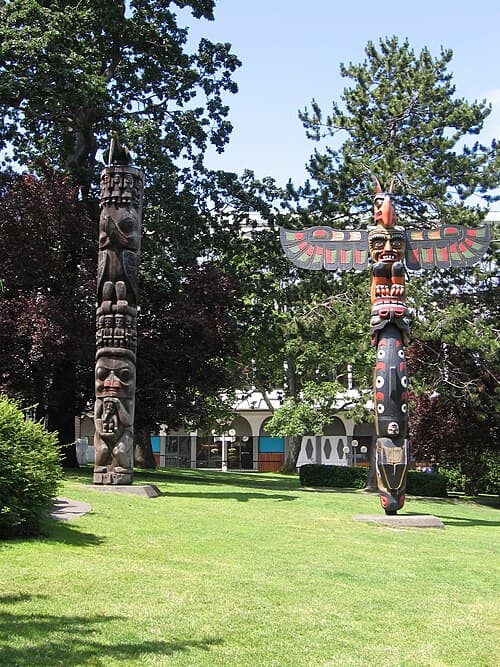
Pacific Northwest Coast, North America
A miniature representation of the carved cedar poles that record family histories, clan crests, and ancestral stories of Pacific Northwest peoples.

Pacific Northwest and Plains Indigenous peoples
A supernatural bird of immense power found across Indigenous traditions from the Pacific Northwest to the Great Plains, representing the awesome force of storms and sky.

Arctic Canada and Alaska
A human-shaped stone cairn built across the Arctic as navigation markers, spiritual landmarks, and symbols of human presence in vast wilderness.

Canada
The iconic symbol of Canadian national identity representing resilience, generosity, and the breathtaking abundance of the natural world.

Haida Nation, Pacific Northwest Coast
The trickster creator figure of Haida mythology whose cunning brought light, salmon, and all of civilization to the world.

United States (folk herbal tradition)
A small sachet filled with herbs chosen to influence dream states — lavender, mugwort, chamomile — placed under the pillow for guided sleep.

Canada
The stone of magic and transformation, carried as a charm for psychic protection, the awakening of hidden gifts, and the luminous mystery of the Northern Lights made stone.

Canada
The deep blue stone of rational mind and inner truth, carried as a charm for clear thinking, honest self-examination, and the calm authority of one who trusts their own perception.

