

47
General
🪶
Feather
Pan-Indigenous North America
A sacred symbol across countless Indigenous cultures representing freedom, spiritual connection, and messages from the divine.
4.6Learn more →


A supernatural bird of immense power found across Indigenous traditions from the Pacific Northwest to the Great Plains, representing the awesome force of storms and sky.
The Thunderbird is one of the most potent and widespread supernatural beings in North American Indigenous mythology, appearing in traditions from the Ojibwe of the Great Lakes to the Kwakwaka'wakw of British Columbia to the Lakota of the Plains. This enormous supernatural bird is credited with creating thunder by beating its vast wings and lightning by flashing its eyes, and in many traditions it is understood as a being of such immense power that it exists in eternal battle against the underwater beings — serpents and monsters that threaten to pull the world into chaos.
In Northwest Coast art, the Thunderbird is depicted in the bold, formline style with its characteristic curved beak, extended wings, and often shown in conflict with Killer Whale or the sea serpent Sisiutl. Thunderbird imagery features prominently on totem poles, where it often occupies the most elevated position as a being of sky and supreme power. In Plains traditions, Thunderbird feathers and symbols were associated with war medicine and the most powerful protective charms.
As a charm, Thunderbird imagery represents calling on the most powerful protective forces available. Wearing or carrying a Thunderbird symbol is understood as requesting the sky power's protection against all adversaries — spiritual, physical, or social. The Thunderbird does not merely deflect evil; it actively fights and defeats it, making this an aggressive protective charm rather than a passive one.
The Thunderbird represents supreme power, the conquest of chaos by divine force, and the protection of humanity by sky beings of incomprehensible might. It embodies the awesome majesty of storms and the understanding that the most terrifying natural forces are actually protective guardians working on behalf of the world's balance. Thunderbird energy is transformative and purifying.
Wear Thunderbird imagery as jewelry or carry it as a painted stone or carved figure when you face formidable challenges or adversaries. Place Thunderbird images at the highest point of your home or workspace to invoke sky protection from above. In prayer and meditation, call on Thunderbird energy for courage when situations demand that you fight rather than flee.
The Ford Thunderbird, introduced in 1955, was named specifically to evoke the power, freedom, and American spirit associated with the legendary bird. The name was suggested by Alden 'Gib' Giberson, a Ford employee from Phoenix, Arizona, where Thunderbird imagery from Southwestern Indigenous art was part of the cultural landscape.
Thunderbird figures appear in Ojibwe, Lakota, Blackfoot, Haida, Kwakwaka'wakw, Nuu-chah-nulth, and dozens of other Indigenous nations' traditions. Each culture has its own specific stories, powers, and visual representations of the Thunderbird, so the specific tradition matters greatly when working with this symbol.
While both are powerful supernatural birds, they are distinct beings from entirely different cultural traditions. The Phoenix is from Mediterranean and Near Eastern mythology and is primarily a symbol of rebirth through fire. The Thunderbird is from North American Indigenous traditions and is primarily a symbol of storm power, protection, and the eternal battle against chaos.
This is a sensitive area of ongoing cultural discussion. Many Indigenous artists and leaders ask non-Indigenous people to carefully consider the cultural implications of sacred imagery and, if proceeding, to commission a design from an actual Indigenous artist and approach the tattoo with genuine respect for its origins rather than treating it as purely decorative.
Pan-Indigenous North America
A sacred symbol across countless Indigenous cultures representing freedom, spiritual connection, and messages from the divine.
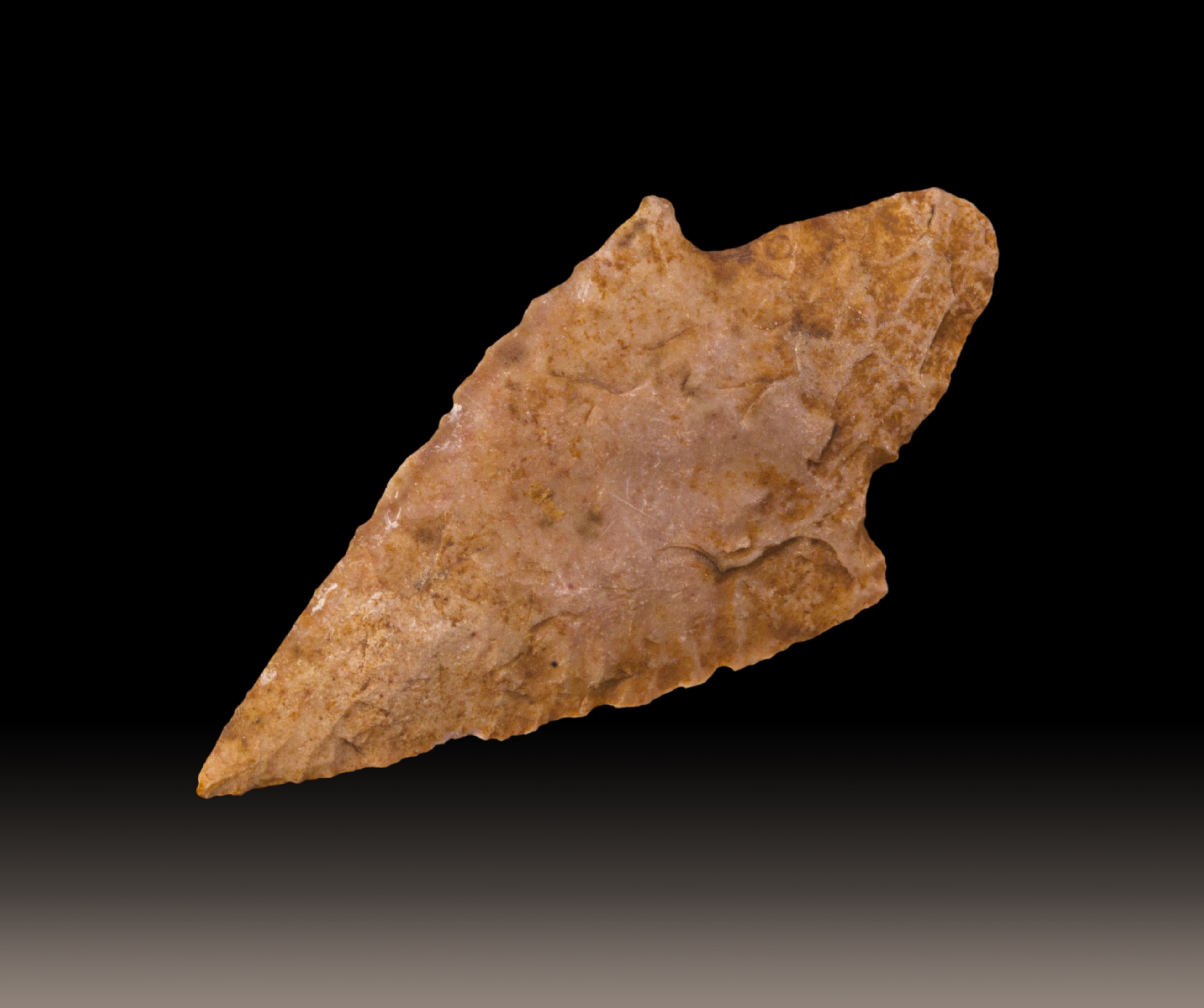
Pan-Indigenous North America
Ancient stone points worn as amulets to deflect evil spirits and negative energy, honoring the skills of ancestral hunters.
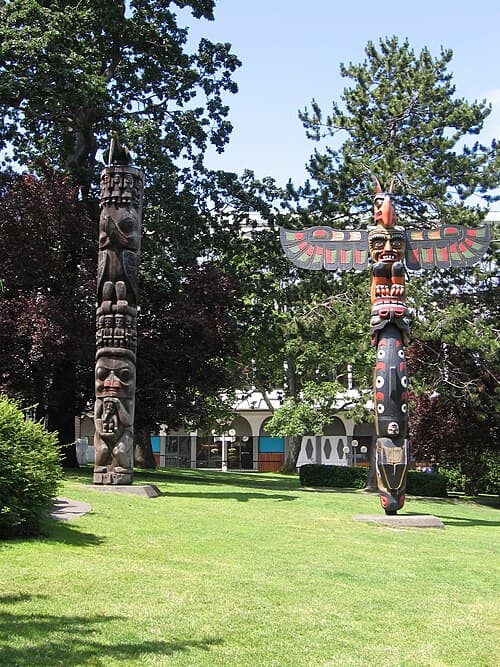
Pacific Northwest Coast, North America
A miniature representation of the carved cedar poles that record family histories, clan crests, and ancestral stories of Pacific Northwest peoples.

