
117
Protection
🗿
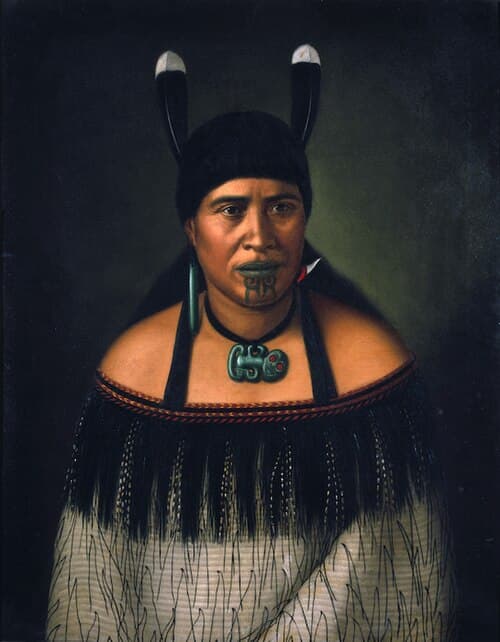
Maori Hei-tiki
New Zealand
The sacred humanoid pendant of the Maori, worn as a powerful charm of ancestral protection, fertility, and good fortune.
4.9Learn more →

The powerful carved deity figures of Hawaii, carried as charms of divine protection, good fortune, and the blessings of the Hawaiian gods.
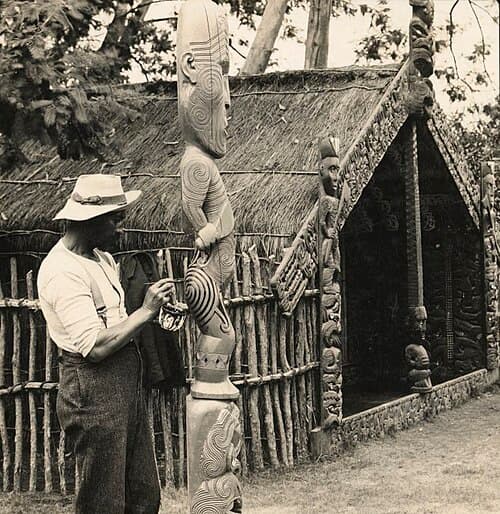
In Hawaiian and broader Polynesian tradition, Tiki (spelled Ki'i in Hawaiian) refers to carved images of the gods and deified ancestors. The word 'tiki' itself is thought to derive from the name of the first man in Polynesian cosmology, and the carved figures were placed at temples (heiau), at the entrances of homes, and on canoes to invoke divine protection and the authority of lineage. Each figure represents a specific deity or ancestor, and the correct placement and dedication of a Tiki image was once a matter of great spiritual consequence, performed by trained kahuna (priests).
The major Hawaiian deities represented in Tiki carvings include Ku (god of war and strength), Lono (god of agriculture, fertility, and peace), Kane (god of sunlight and fresh water), and Kanaloa (god of the sea). Each carries different protective attributes, and a home guarded by multiple Tiki figures was believed to have the full spectrum of divine protection. The carved images were empowered through ceremony and were considered live presences rather than mere symbols.
The 20th century's mid-century Polynesian-themed bar and restaurant culture stripped Tiki of much of its spiritual depth, but Indigenous Hawaiian cultural revival has been restoring the figure's sacred context. A thoughtfully chosen Tiki charm — ideally carved by a Hawaiian artisan from native koa wood — is a genuine protective talisman aligned with one of humanity's most seaworthy and spiritually sophisticated cultures.
Divine protection, the blessings of the Polynesian gods, strength, fertility, and the presence of powerful ancestral authority.
Place carved Tiki near the entrance of a home or workspace to protect the threshold. Smaller Tiki pendants worn around the neck invoke the deity they represent — research which Hawaiian god aligns with your need. Cleanse regularly with fresh water and occasionally anoint with coconut oil.
The Easter Island statues (Moai) are the most extreme expression of the Tiki tradition — the massive stone figures were carved by Rapa Nui people beginning around 1250 CE to embody the mana (spiritual power) of important ancestors, whose energy would protect and sustain the living community from beyond death.
Purchased from Hawaiian artisans with genuine appreciation, a Tiki charm is a respectful act of cultural admiration. The concern is mass-produced plastic or kitschy 'tiki bar' versions that treat sacred imagery as novelty — these trivialise a serious spiritual tradition.
Ku for strength and protection in challenges; Lono for fertility, creativity, and peaceful abundance; Kane for health, vitality, and sunlit clarity; Kanaloa for safe ocean travel and deep emotional navigation.
Traditionally, protective figures face the threshold or direction of potential threat — usually toward the door or the sea. Figures placed inside the home for blessing can face any direction that feels right to you.
New Zealand
The sacred humanoid pendant of the Maori, worn as a powerful charm of ancestral protection, fertility, and good fortune.

United States
The polished nut lei of Hawaiʻi's sacred state tree, worn as a charm of enlightenment, protection, and the warmth of Hawaiian hospitality.

United States
The fragrant lei flower of Hawaii, worn as a charm of love, beauty, positivity, and the generous spirit of aloha.

