

456
Love
💚
Emerald
Colombia
The Queen of Green, worn as the supreme charm of divine love, wisdom, and abundance flowing from the open heart.
4.9Learn more →


The only gem born of lava and space, carried as a charm for releasing old patterns, attracting abundance, and the fresh green vitality of complete renewal.
Peridot (pronounced PEAR-ih-doe or PEAR-ih-dot) is the gem-quality variety of the mineral olivine, coloured by iron to produce its distinctive lime-to-olive green. It is geologically unique among gemstones in that it is exclusively of deep-earth or extraterrestrial origin — found in volcanic basalt flows, in pallasite meteorites, and occasionally in comet dust. The ancient source on Zabargad island (St. John's Island) in the Red Sea was mined by the Egyptians for over 3,500 years; Cleopatra's famous 'emerald' collection is now believed by many historians to have been peridot.
The ancient Egyptians called peridot 'the gem of the sun' and believed it repelled the forces of darkness and evil. Roman legionaries who served in Egypt brought the stone back to Rome, and it appears throughout medieval European church treasuries — the 'emeralds' in the shrine of the Three Kings at Cologne Cathedral are peridot. Hawaii has its own peridot: Green Sand Beach (Papakolea) on the Big Island is one of only four green sand beaches in the world, its colour coming from olivine/peridot crystals erupted from the nearby volcano.
In crystal healing, peridot is associated with releasing old guilt, releasing patterns that no longer serve, and opening freshly to joy and abundance. Its lime-green colour and volcanic origin make it a stone of renewal — the fresh green of new leaves after a forest fire, the life that returns after complete destruction. It is particularly helpful for those carrying unresolved guilt or self-criticism, who need permission to begin again with genuine lightness.
The Peridot traces its origins to Egypt, where it has been revered for generations as a powerful symbol of healing and vitality. Historical records and oral traditions suggest that early versions of this charm appeared centuries ago, when communities in Egypt first began attributing supernatural qualities to objects drawn from their natural and spiritual environment.
Over time, the Peridot evolved from a regional folk object into a widely recognized talisman. Traders, travelers, and migrants carried it across borders, introducing it to new cultures that often adopted and adapted it to fit their own belief systems. Today it is found in egypt, united states, myanmar and beyond, each culture adding its own layer of meaning and ritual to the charm's enduring legacy.
In its homeland of Egypt, the Peridot occupies a revered place in both daily life and ceremonial practice. It is not merely decorative — it is woven into the fabric of cultural identity, appearing in celebrations, rites of passage, and household traditions that have been passed down through generations.
Beyond Egypt, the Peridot has gained recognition in egypt, united states, myanmar and other regions, where it is valued for its symbolic connection to physical and mental wellbeing. Scholars of material culture and anthropologists note that charms like the Peridot serve a dual psychological function: they provide a tangible focus for hope and intention, and they connect their owners to a living cultural tradition that transcends individual experience.
To get the most from your Peridot, keep it in a place where you will see it daily — on a desk, nightstand, or near your front entrance. Physical proximity reinforces the intention behind the charm and serves as a regular reminder of your goals.
Traditional practice recommends handling the charm with clean hands and respectful intention. Many practitioners in Egypt advise setting a clear purpose when you first acquire the charm: hold it, state your wish or goal silently or aloud, and then place it in its chosen position. Periodically cleansing the charm — by passing it through incense smoke, placing it under moonlight, or simply wiping it with a clean cloth — is believed to refresh its energy.
If the charm is meant to be worn (as jewelry or a carried token), keep it close to your body throughout the day. If it is a household object, place it in the area of your home most associated with its purpose — for example, near a workspace for success charms, or by the bed for love and health charms.
Renewal after difficult endings, release of guilt and old patterns, fresh vitality, abundance in the present moment, and the joy of an innocent beginning.
Wear when beginning a new chapter after a difficult ending — a breakup, a health recovery, a professional reinvention. Hold during journalling sessions where you process and release old regrets. Place on a windowsill in morning sunlight to activate its solar-renewal energy. Carry in spring as a seasonal charm for fresh starts.
Peridot crystals have been found in pallasite meteorites — a rare type of meteorite composed of iron-nickel metal with embedded olivine crystals — that formed in the mantle of ancient asteroids. Some peridot charms are literally made from material that has been in space, making them the most extraterrestrial of all gemstone talismans.
No — both are green gemstones but entirely different minerals. Emerald is a variety of beryl; peridot is olivine. Peridot's lime-green colour distinguishes it from emerald's deeper blue-green. They have different hardness (emerald 7.5–8; peridot 6.5–7) and different metaphysical qualities.
It is one of the most recommended stones for this purpose — its renewal and release quality helps the holder let go of what has ended with genuine lightness rather than suppression. Combine with rose quartz for emotional heart healing alongside peridot's release of the old.
Many practitioners feel Hawaiian peridot carries an additional volcanic and oceanic energy distinct from Egyptian or Pakistani sources. If you are drawn to Hawaiian energy for its associations with creation and renewal, Hawaiian-sourced peridot may feel particularly resonant.
The Peridot originates from Egypt, where it has been used as a health charm for centuries. Its influence has since spread to egypt, united states, myanmar and many other regions worldwide.
Wear when beginning a new chapter after a difficult ending — a breakup, a health recovery, a professional reinvention. Hold during journalling sessions where you process and release old regrets. Place on a windowsill in morning sunlight to activate its solar-renewal energy. Carry in spring as a seasonal charm for fresh starts. For best results, set a clear intention when you first acquire the charm and keep it in a prominent, respectful location.
Yes, giving a Peridot as a gift is considered a generous and meaningful gesture in most traditions. In Egypt, gifted charms are often believed to carry even stronger energy than those purchased for oneself, because they come with the goodwill and intention of the giver.
Many practitioners recommend periodically cleansing your Peridot to refresh its energy. Common methods include passing it through incense smoke, placing it in moonlight overnight, rinsing it under clean water (if the material allows), or simply wiping it down with a clean cloth while setting a fresh intention.
While the Peridot originated in the cultural traditions of Egypt, it is not exclusive to any single religion. It has been adopted and adapted by people of many faiths and backgrounds, each bringing their own interpretation to its symbolism and use.
Colombia
The Queen of Green, worn as the supreme charm of divine love, wisdom, and abundance flowing from the open heart.
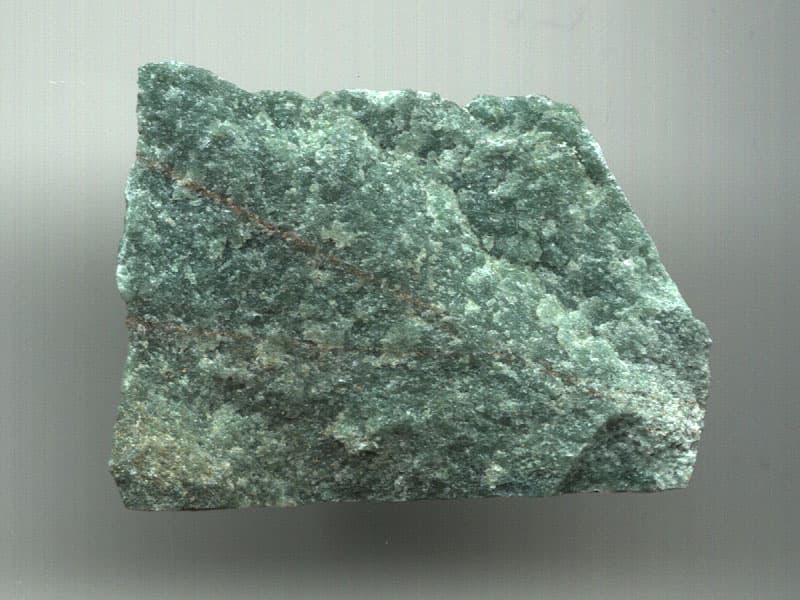
India
The shimmering green stone of opportunity and good luck, carried as the ultimate charm for attracting prosperity, positive outcomes, and the grace of fortunate timing.

Democratic Republic of Congo
The banded green stone of transformation and protection, worn as a charm for deep emotional healing, bold change, and the amplification of intention.

