

20
Wealth
🪙
Lucky Penny
United Kingdom
The humble copper coin that promises a turn of fortune when found heads-up.
4.3Learn more →

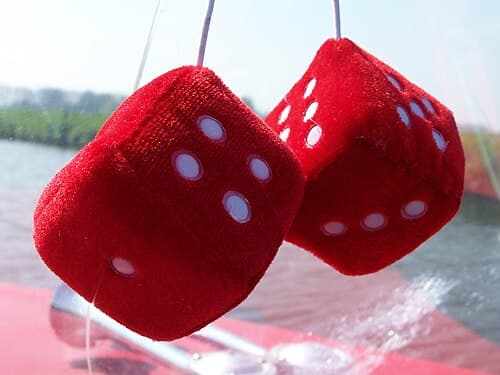
Oversized plush dice hung from rearview mirrors — an American icon of daring, luck, and the gamble of the open road.
Fuzzy dice are a quintessentially American creation, born in the post-World War II era when returning pilots brought their superstitions home from the cockpit. Fighter pilots often hung small dice in their planes as good luck charms, and the practice migrated to the new hot rod culture of 1950s California, where young men customized their cars as expressions of identity and daring. The dice grew larger, plusher, and more colorful as they became a cultural symbol in their own right.
The dice face showing seven — the luckiest number in American gambling culture — gave the charm its foundational meaning. Hanging dice in your car was a statement that you were willing to take chances, that you lived by luck and nerve, and that you trusted fortune to guide you through the risks of both the road and life. The fuzzy texture made them tactile and approachable, a soft counterpoint to the hard edges of luck itself.
Fuzzy dice became embedded in American pop culture through the 1950s greaser scene, subsequent decades of car culture nostalgia, and countless films and television shows. Despite being banned in some states as a windshield obstruction, they remained a persistent presence in American vehicles and a beloved symbol of retro Americana. Today they appear in everything from keychains to earrings, carrying their playful luck symbolism far beyond the automobile.
The Fuzzy Dice traces its origins to United States, where it has been revered for generations as a powerful symbol of achievement and ambition. Historical records and oral traditions suggest that early versions of this charm appeared centuries ago, when communities in United States first began attributing supernatural qualities to objects drawn from their natural and spiritual environment.
Over time, the Fuzzy Dice evolved from a regional folk object into a widely recognized talisman. Traders, travelers, and migrants carried it across borders, introducing it to new cultures that often adopted and adapted it to fit their own belief systems. Today it is found in united states and beyond, each culture adding its own layer of meaning and ritual to the charm's enduring legacy.
In its homeland of United States, the Fuzzy Dice occupies a revered place in both daily life and ceremonial practice. It is not merely decorative — it is woven into the fabric of cultural identity, appearing in celebrations, rites of passage, and household traditions that have been passed down through generations.
Beyond United States, the Fuzzy Dice has gained recognition in united states and other regions, where it is valued for its symbolic connection to personal achievement. Scholars of material culture and anthropologists note that charms like the Fuzzy Dice serve a dual psychological function: they provide a tangible focus for hope and intention, and they connect their owners to a living cultural tradition that transcends individual experience.
To get the most from your Fuzzy Dice, keep it in a place where you will see it daily — on a desk, nightstand, or near your front entrance. Physical proximity reinforces the intention behind the charm and serves as a regular reminder of your goals.
Traditional practice recommends handling the charm with clean hands and respectful intention. Many practitioners in United States advise setting a clear purpose when you first acquire the charm: hold it, state your wish or goal silently or aloud, and then place it in its chosen position. Periodically cleansing the charm — by passing it through incense smoke, placing it under moonlight, or simply wiping it with a clean cloth — is believed to refresh its energy.
If the charm is meant to be worn (as jewelry or a carried token), keep it close to your body throughout the day. If it is a household object, place it in the area of your home most associated with its purpose — for example, near a workspace for success charms, or by the bed for love and health charms.
Fuzzy dice represent the willingness to take chances, to live boldly, and to trust luck through uncertainty. In automotive context, they also symbolize the prayer for safe travels and the hope that the dice of fate will land favorably on every journey. The number seven on the dice face is a specific invocation of gambling luck and the universe's most favored number.
Hang fuzzy dice from your rearview mirror with the seven faces visible. Touch them when starting your car to invoke lucky travel energy. Many drivers give their dice a little swing before important journeys — job commutes, first dates, road trips — as a physical prayer for good fortune. As a desk toy or gift, they serve as a cheerful reminder to embrace life's gambles.
California Vehicle Code 26708 technically prohibits hanging anything from a rearview mirror that obstructs driver vision, making fuzzy dice officially illegal in California — yet they remain omnipresent in California vehicles and are sold freely at every truck stop and novelty shop in the state, creating one of America's most broadly ignored laws.
Laws vary by state and country. Several US states including California and Minnesota technically prohibit objects hanging from rearview mirrors that obstruct the driver's view. However, enforcement is rare and fuzzy dice are culturally normalized across America. Check your local traffic laws before hanging them.
The seven shown on a fuzzy dice charm references the luckiest number in Western gambling tradition, specifically craps and other dice games where rolling seven is often favorable. The specific number seven has been considered lucky across many world cultures for thousands of years.
Absolutely. Fuzzy dice make charming desk companions for anyone in a competitive or luck-dependent field. Mini fuzzy dice can hang from a backpack, be placed near a gaming setup, or gifted to someone starting a new venture as a playful wish for luck.
The Fuzzy Dice originates from United States, where it has been used as a success charm for centuries. Its influence has since spread to united states and many other regions worldwide.
Hang fuzzy dice from your rearview mirror with the seven faces visible. Touch them when starting your car to invoke lucky travel energy. Many drivers give their dice a little swing before important journeys — job commutes, first dates, road trips — as a physical prayer for good fortune. As a desk toy or gift, they serve as a cheerful reminder to embrace life's gambles. For best results, set a clear intention when you first acquire the charm and keep it in a prominent, respectful location.
Yes, giving a Fuzzy Dice as a gift is considered a generous and meaningful gesture in most traditions. In United States, gifted charms are often believed to carry even stronger energy than those purchased for oneself, because they come with the goodwill and intention of the giver.
Many practitioners recommend periodically cleansing your Fuzzy Dice to refresh its energy. Common methods include passing it through incense smoke, placing it in moonlight overnight, rinsing it under clean water (if the material allows), or simply wiping it down with a clean cloth while setting a fresh intention.
While the Fuzzy Dice originated in the cultural traditions of United States, it is not exclusive to any single religion. It has been adopted and adapted by people of many faiths and backgrounds, each bringing their own interpretation to its symbolism and use.
United Kingdom
The humble copper coin that promises a turn of fortune when found heads-up.

United Kingdom
The carried token of the animal renowned across cultures for its fecundity and quick fortune.
United Kingdom
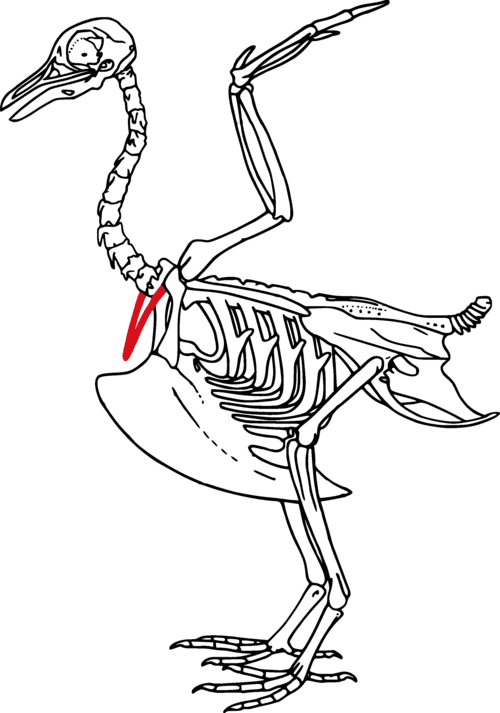
The forked bird bone over which two people compete for their heart's desire.

