
398
General
🫒
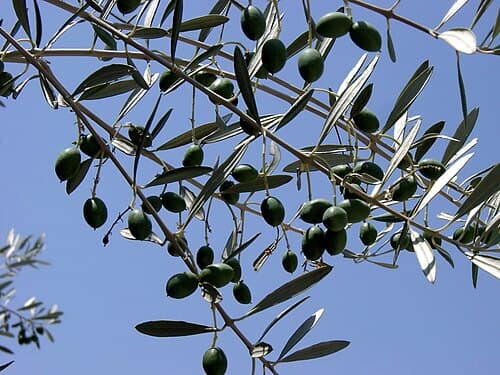
Greek Olive Branch
Greece
The sacred olive of Athena — symbol of peace, wisdom, abundance, and civilization's deepest roots.
4.5Learn more →


The ancient olive of Aphrodite's island — Cyprus's sacred tree carrying 5,000 years of Mediterranean blessing from the birthplace of love.
Cyprus is the birthplace of Aphrodite — the goddess rose from sea foam on the island's Petra tou Romiou beach, and the island has been sacred to love and beauty since the dawn of Mediterranean civilization. The Cypriot olive grows on this sacred ground, its oil used in temple rites of Aphrodite, its wood in sacred furnishings, its branch in the garlands of priests and athletes who honored the goddess. To carry a Cypriot olive charm is to carry Aphrodite's island in miniature.
Cyprus has some of the Mediterranean's oldest documented olive cultivation — archaeological evidence of olive oil production dates to 2500 BCE on the island, making Cypriot olive culture over 4,500 years old. The olive's identification with Aphrodite gives it a specific love and beauty energy that other Mediterranean olive traditions lack: Cyprus is not just where olives grow but where love itself was born.
In Cypriot folk tradition, olive oil is the primary blessing substance: used to anoint brides before weddings, to bless newborns in the first bath, to consecrate thresholds, and to preserve the dead before burial. The olive presides over every threshold of Cypriot human life — from entry into the world to exit from it.
The Cypriot Olive traces its origins to Cyprus, where it has been revered for generations as a powerful symbol of good fortune and positive energy. Historical records and oral traditions suggest that early versions of this charm appeared centuries ago, when communities in Cyprus first began attributing supernatural qualities to objects drawn from their natural and spiritual environment.
Over time, the Cypriot Olive evolved from a regional folk object into a widely recognized talisman. Traders, travelers, and migrants carried it across borders, introducing it to new cultures that often adopted and adapted it to fit their own belief systems. Today it is found in cyprus and beyond, each culture adding its own layer of meaning and ritual to the charm's enduring legacy.
In its homeland of Cyprus, the Cypriot Olive occupies a revered place in both daily life and ceremonial practice. It is not merely decorative — it is woven into the fabric of cultural identity, appearing in celebrations, rites of passage, and household traditions that have been passed down through generations.
Beyond Cyprus, the Cypriot Olive has gained recognition in cyprus and other regions, where it is valued for its symbolic connection to universal good luck. Scholars of material culture and anthropologists note that charms like the Cypriot Olive serve a dual psychological function: they provide a tangible focus for hope and intention, and they connect their owners to a living cultural tradition that transcends individual experience.
To get the most from your Cypriot Olive, keep it in a place where you will see it daily — on a desk, nightstand, or near your front entrance. Physical proximity reinforces the intention behind the charm and serves as a regular reminder of your goals.
Traditional practice recommends handling the charm with clean hands and respectful intention. Many practitioners in Cyprus advise setting a clear purpose when you first acquire the charm: hold it, state your wish or goal silently or aloud, and then place it in its chosen position. Periodically cleansing the charm — by passing it through incense smoke, placing it under moonlight, or simply wiping it with a clean cloth — is believed to refresh its energy.
If the charm is meant to be worn (as jewelry or a carried token), keep it close to your body throughout the day. If it is a household object, place it in the area of your home most associated with its purpose — for example, near a workspace for success charms, or by the bed for love and health charms.
The blessing of Aphrodite's sacred island, love and beauty as foundational realities, the olive's presence at every life threshold, ancient Mediterranean divine favor, and the specific blessing of the world's most sacred love-ground.
Anoint yourself with Cypriot olive oil before romantic encounters, creative endeavors, or any situation where you want to bring beauty and love energy. Keep a Cypriot olive branch or charm where you sleep for Aphrodite's love blessing. Use in sacred self-care rituals to connect with the goddess's abundant love energy.
The Hala Sultan Tekke mosque near Larnaca, Cyprus, marks the burial site of Umm Haram bint Milhan, a companion of the Prophet Muhammad. The mosque's ancient olive tree — over 1,000 years old — produces olives that local tradition says never fall to the ground unassisted, caught instead by divine hands. Both Muslim and Christian Cypriots bring offerings to this tree.
Any high-quality, cold-pressed, traditionally produced Mediterranean olive oil carries olive-blessing energy. Cypriot olive oil adds the specific Aphrodite-island energy for those who resonate with that mythological dimension.
Aphrodite's blessing is for all who seek love and beauty — the goddess had male devotees (Adonis) as her most beloved. Men seeking love, creative inspiration, or beauty in their lives fully access this tradition's energy.
Olive wood carved objects carry the tree's direct energy. A small amphora of traditional Cypriot olive oil is the most active, usable charm form. Olive leaf silver jewelry is elegant and practical for daily wear.
The Cypriot Olive originates from Cyprus, where it has been used as a general charm for centuries. Its influence has since spread to cyprus and many other regions worldwide.
Anoint yourself with Cypriot olive oil before romantic encounters, creative endeavors, or any situation where you want to bring beauty and love energy. Keep a Cypriot olive branch or charm where you sleep for Aphrodite's love blessing. Use in sacred self-care rituals to connect with the goddess's abundant love energy. For best results, set a clear intention when you first acquire the charm and keep it in a prominent, respectful location.
Yes, giving a Cypriot Olive as a gift is considered a generous and meaningful gesture in most traditions. In Cyprus, gifted charms are often believed to carry even stronger energy than those purchased for oneself, because they come with the goodwill and intention of the giver.
Many practitioners recommend periodically cleansing your Cypriot Olive to refresh its energy. Common methods include passing it through incense smoke, placing it in moonlight overnight, rinsing it under clean water (if the material allows), or simply wiping it down with a clean cloth while setting a fresh intention.
While the Cypriot Olive originated in the cultural traditions of Cyprus, it is not exclusive to any single religion. It has been adopted and adapted by people of many faiths and backgrounds, each bringing their own interpretation to its symbolism and use.
Greece
The sacred olive of Athena — symbol of peace, wisdom, abundance, and civilization's deepest roots.
Montenegro
Montenegro's ancient coastal olive trees — some over 2,000 years old — carrying Mediterranean peace, wisdom, and the blessing of deep time.

Greece
Greece's ancient blue eye amulet — the mati — protecting against the evil eye's harm since antiquity.

