
365
Love
❤️
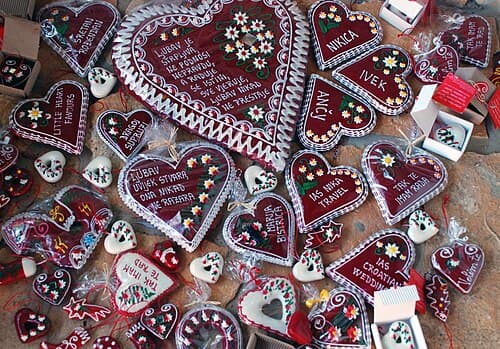
Croatian Licitar Heart
Croatia
Croatia's iconic red gingerbread heart — a UNESCO-protected folk art object and the sweetest expression of Croatian love.
4.6Learn more →


The curled-toe traditional Serbian shoe — a symbol of cultural identity, grounded tradition, and the blessing of walking one's own path.
The opanak is the traditional Serbian leather shoe, characterized by its dramatically curled-up toe — a design shared across the Balkans but most distinctively associated with Serbian folk costume. Made from a single piece of rawhide or tanned leather, the opanak was the shoe of the Serbian peasant and warrior alike, perfectly suited to the terrain of the Balkans — flexible enough for mountain paths, sturdy enough for agricultural work. The upturned toe prevented it from catching on roots and rocks.
As a lucky charm, the opanak represents groundedness — the blessing of one's own soil, one's cultural roots, and the path walked by generations before. Miniature opanak charms are popular Serbian souvenirs and folk art pieces, typically decorated with folk embroidery patterns or carved from wood. They are given to Serbs living abroad as a connection to home and to anyone beginning a new journey.
In Serbian folk belief, a shoe carries the energy of the path it has walked. An opanak miniature in the home blesses the family's journey, keeping them connected to their roots while moving forward. The upturned toe, always reaching upward and ahead, is seen as optimism built into the shoe's very design — always looking toward what is coming.
The Serbian Opanak Shoe traces its origins to Serbia, where it has been revered for generations as a powerful symbol of good fortune and positive energy. Historical records and oral traditions suggest that early versions of this charm appeared centuries ago, when communities in Serbia first began attributing supernatural qualities to objects drawn from their natural and spiritual environment.
Over time, the Serbian Opanak Shoe evolved from a regional folk object into a widely recognized talisman. Traders, travelers, and migrants carried it across borders, introducing it to new cultures that often adopted and adapted it to fit their own belief systems. Today it is found in serbia and beyond, each culture adding its own layer of meaning and ritual to the charm's enduring legacy.
In its homeland of Serbia, the Serbian Opanak Shoe occupies a revered place in both daily life and ceremonial practice. It is not merely decorative — it is woven into the fabric of cultural identity, appearing in celebrations, rites of passage, and household traditions that have been passed down through generations.
Beyond Serbia, the Serbian Opanak Shoe has gained recognition in serbia and other regions, where it is valued for its symbolic connection to universal good luck. Scholars of material culture and anthropologists note that charms like the Serbian Opanak Shoe serve a dual psychological function: they provide a tangible focus for hope and intention, and they connect their owners to a living cultural tradition that transcends individual experience.
To get the most from your Serbian Opanak Shoe, keep it in a place where you will see it daily — on a desk, nightstand, or near your front entrance. Physical proximity reinforces the intention behind the charm and serves as a regular reminder of your goals.
Traditional practice recommends handling the charm with clean hands and respectful intention. Many practitioners in Serbia advise setting a clear purpose when you first acquire the charm: hold it, state your wish or goal silently or aloud, and then place it in its chosen position. Periodically cleansing the charm — by passing it through incense smoke, placing it under moonlight, or simply wiping it with a clean cloth — is believed to refresh its energy.
If the charm is meant to be worn (as jewelry or a carried token), keep it close to your body throughout the day. If it is a household object, place it in the area of your home most associated with its purpose — for example, near a workspace for success charms, or by the bed for love and health charms.
Cultural grounding, the blessing of one's ancestral path, forward-looking optimism, connection to home soil, and the resilience of walking through difficulty with traditional wisdom.
Keep an opanak charm at the front door to bless those leaving and returning. Give one to Serbs or anyone departing on a long journey as a connection to their roots and a blessing for the path ahead. Display in a home office to remember the foundation supporting current endeavors.
The upturned toe of the opanak served a practical winter purpose: stuffed with straw or hay, the hollow space of the curl became an insulating pocket that kept toes warmer in snow. This practical wisdom embedded in the design is characteristic of folk objects whose form carries function alongside symbolism.
The opanak is most meaningful for Serbs and the broader Balkan community, but its energy of grounded tradition and connection to ancestral paths resonates for anyone seeking to honor their roots while walking forward.
Leather is most traditional and carries the most authentic earth energy. Wooden carved opanaks are popular craft versions. Metal ones are durable for jewelry. All carry the symbolic blessing, with leather most connected to the land.
At beginnings of journeys — literal travel or life transitions. At times when you need connection to your cultural roots. When feeling disconnected from your foundational values. And as a continuous home blessing for family journeys.
The Serbian Opanak Shoe originates from Serbia, where it has been used as a general charm for centuries. Its influence has since spread to serbia and many other regions worldwide.
Keep an opanak charm at the front door to bless those leaving and returning. Give one to Serbs or anyone departing on a long journey as a connection to their roots and a blessing for the path ahead. Display in a home office to remember the foundation supporting current endeavors. For best results, set a clear intention when you first acquire the charm and keep it in a prominent, respectful location.
Yes, giving a Serbian Opanak Shoe as a gift is considered a generous and meaningful gesture in most traditions. In Serbia, gifted charms are often believed to carry even stronger energy than those purchased for oneself, because they come with the goodwill and intention of the giver.
Many practitioners recommend periodically cleansing your Serbian Opanak Shoe to refresh its energy. Common methods include passing it through incense smoke, placing it in moonlight overnight, rinsing it under clean water (if the material allows), or simply wiping it down with a clean cloth while setting a fresh intention.
While the Serbian Opanak Shoe originated in the cultural traditions of Serbia, it is not exclusive to any single religion. It has been adopted and adapted by people of many faiths and backgrounds, each bringing their own interpretation to its symbolism and use.
Croatia
Croatia's iconic red gingerbread heart — a UNESCO-protected folk art object and the sweetest expression of Croatian love.
Bulgaria
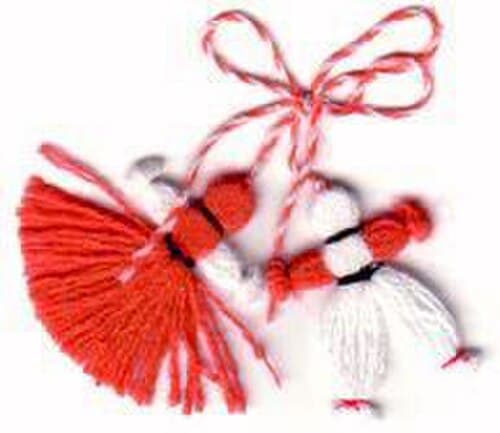
Bulgaria's red and white spring charm worn from March 1st to celebrate winter's end and invite health and happiness.

North Macedonia
North Macedonia's vibrant red poppy — a symbol of the fertile Vardar Valley, summer joy, and the resilience of beauty on difficult terrain.

