

2
General
🍀
Four-Leaf Clover
Ireland
The rarest clover mutation, treasured as nature's own lucky charm.
4.9Learn more →

Europe - Eastern
8 charms from this country
Serbia's charm tradition blends Serbian Orthodox Christianity with a rich layer of Slavic folk belief. The šargarepa (luck of the carrot) — a New Year's folk charm where finding a coin inside a baked bread (česnica) at Christmas brings specific luck — is a distinctly Serbian tradition. The česnica itself — a round Christmas bread with a coin baked inside — is broken by all family members with the one who gets the largest piece also getting the most luck.
The horseshoe, four-leaf clover, and ladybug are universal. The evil eye (uroci) is feared and treated by village wise women. Serbian folk embroidery carries specific protective motifs in the traditional vezenje needlework. Specific saints' days (krsna slava, the family patron saint celebration) are the most important luck-renewing ritual of the Serbian year.
Ireland
The rarest clover mutation, treasured as nature's own lucky charm.
United Kingdom
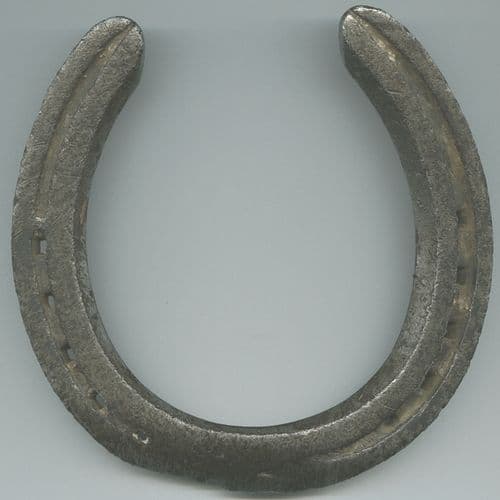
An iron crescent hung above doorways to catch and hold good luck.

United Kingdom
The spotted red beetle that brings good fortune to whoever it lands upon.

United Kingdom
The humble copper coin that promises a turn of fortune when found heads-up.

Early Christianity (Rome)
The Crucifix — a cross bearing the corpus (body) of Christ — is the central symbol of Christianity and one of the most powerful protective charms in the Western world.
Medieval Europe
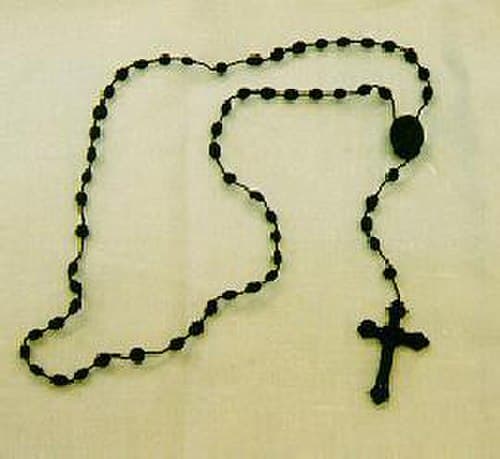
Rosary beads are the most recognizable Catholic prayer tool in the world, used by hundreds of millions for meditative prayer, protection, and the invocation of divine grace.

United Kingdom
The most universally lucky number in Western culture, encoded in the cosmos itself.

Serbia
The curled-toe traditional Serbian shoe — a symbol of cultural identity, grounded tradition, and the blessing of walking one's own path.

