

272
Success
☕
Ethiopian Coffee Bean
Ethiopia
Sacred bean from its homeland — Ethiopia — representing abundance, community, and the gift Ethiopia gave to the world.
4.6Learn more →


Intricately designed Ethiopian Orthodox cross — one of the oldest Christian symbols in the world, worn for divine protection.
Ethiopia is one of the oldest Christian nations on earth, having adopted Christianity as its state religion in the 4th century CE under Emperor Ezana of the Aksumite Empire — decades before Rome. The Ethiopian Orthodox Tewahedo Church developed one of the world's most distinctive visual traditions of Christian symbolism, and at the center of this tradition is the Ethiopian cross. Unlike the simple Latin cross of Western Christianity, Ethiopian crosses are elaborate, latticed structures filled with intricate geometric patterns that recall both indigenous African design and the ancient Coptic Christian tradition. Each region of Ethiopia developed its own cross design, making these objects extraordinarily diverse and locally specific.
The most famous Ethiopian crosses are the hand-held processional crosses used in church ceremonies — long-handled objects of extraordinary craftsmanship in silver, brass, or gold. Personal crosses worn as pendants follow the same design principles: a latticed, lace-like structure rich with symbolic geometry. The holes in the lattice work are believed to allow divine light to pass through while trapping evil that might try to enter, making the cross both a symbol of faith and a literal filter of negative spiritual energy. Ethiopian Christians believe that wearing such a cross from birth provides lifelong divine protection.
For those outside the Ethiopian Orthodox tradition, the Ethiopian cross functions as a powerful statement of African Christian heritage and a reminder of the continent's ancient spiritual sophistication. Its beauty has made it one of Africa's most sought-after spiritual jewelry forms worldwide, appreciated both by Ethiopian diaspora communities maintaining cultural connection and by others drawn to its distinctive aesthetic and protective symbolism.
Divine protection through Christian faith, connection to Ethiopia's ancient spiritual heritage, filtering of negative energies, and the blessing of the Trinity — Father, Son, and Holy Spirit.
Wear an Ethiopian cross pendant as daily protection. Genuine silver crosses should be blessed by an Orthodox priest for maximum spiritual efficacy in that tradition, but wearing one with sincere faith or respect is considered effective in the broader sense. Place one in a home or car for protection of that space.
The Lalibela crosses of Ethiopia are among the most famous in the world. King Lalibela reportedly received them from Heaven, and one of them — the Cross of Lalibela — is said to have been given to him directly by God. This cross is brought out only once a year during Timkat (Ethiopian Epiphany) and is considered the most sacred object in Ethiopian Christianity.
Ethiopian crosses are characterized by their elaborate lattice work, intricate geometric patterns, and regional distinctiveness. The lacework design reflects both indigenous Ethiopian aesthetics and the ancient Coptic tradition. They also tend to be more three-dimensional and complex than most Western cross designs.
Many Ethiopians share their cross tradition openly and are proud when others appreciate its beauty and heritage. However, treating it with respect — as a sacred object rather than mere fashion — is important. Understanding its meaning and the culture it comes from deepens the connection.
Traditionally they are made in silver, brass, or gold. Wooden versions are also made for personal devotion. Plastic or cheap metal imitations are generally considered disrespectful to the tradition. Handcrafted pieces from Ethiopian artisans, regardless of metal, maintain the authenticity of the form.
Ethiopia
Sacred bean from its homeland — Ethiopia — representing abundance, community, and the gift Ethiopia gave to the world.

Ghana
The supreme Akan symbol meaning 'Except for God' — a declaration of divine supremacy and protection.
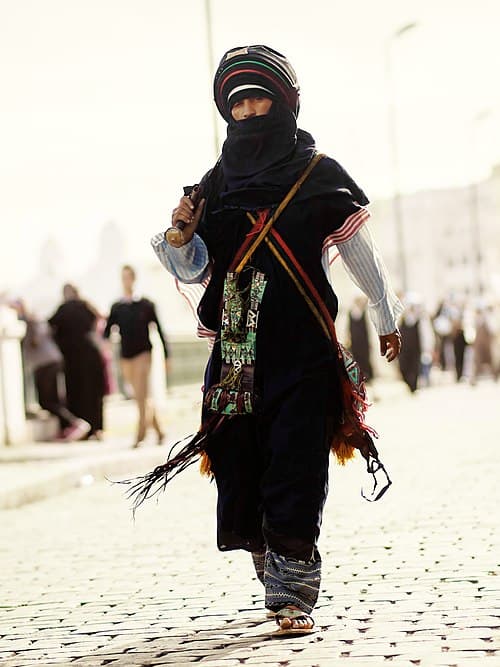
Mali / Niger
Handcrafted silver jewelry of the Tuareg nomads — beautiful protective amulets encoding desert survival wisdom.

