
293
General
💎
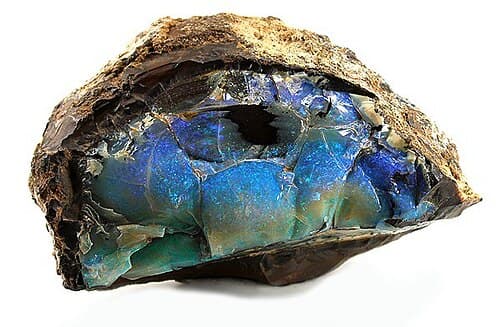
Australian Opal
Australia
The rainbow-fire gemstone of the Australian outback, worn as a charm for creativity, spontaneity, and the full spectrum of possibility.
4.9Learn more →


The spectacular plume bird of Papua New Guinea, carried as a charm of extraordinary achievement, natural glory, and the rewards of authentic self-display.
Papua New Guinea is home to approximately 39 of the world's 44 species of Birds of Paradise — among the most extraordinarily beautiful creatures on Earth. The male birds have evolved such spectacular plumage precisely because females are so selective: generations of female choice have produced creatures whose feathers, dances, and calls represent the absolute extreme of natural beauty. The Raggiana Bird of Paradise, PNG's national bird, with its crimson plumes, yellow head, and iridescent chest, has been the country's emblem since independence in 1975.
For Highland peoples of Papua New Guinea, Bird of Paradise feathers are the pinnacle of ceremonial adornment. Worn at Sing-Sing gatherings, initiation ceremonies, and performances, the feathers represent the highest possible investment in personal presentation — the declaration that this moment is so important that nothing less than natural perfection will do. As a charm, the Bird of Paradise embodies the philosophy that true excellence comes from being fully, authentically, magnificently oneself, with no apology for the display.
The bird's long evolutionary journey toward beauty — achieved through millions of years of female preference — makes it a powerful symbol for anyone who has invested deeply in developing their craft, their character, or their art. The charm is particularly potent for performers, artists, and those in competitive fields who need the courage to display their full gifts without holding back.
The Papua New Guinea Bird of Paradise traces its origins to Papua New Guinea, where it has been revered for generations as a powerful symbol of achievement and ambition. Historical records and oral traditions suggest that early versions of this charm appeared centuries ago, when communities in Papua New Guinea first began attributing supernatural qualities to objects drawn from their natural and spiritual environment.
Over time, the Papua New Guinea Bird of Paradise evolved from a regional folk object into a widely recognized talisman. Traders, travelers, and migrants carried it across borders, introducing it to new cultures that often adopted and adapted it to fit their own belief systems. Today it is found in papua new guinea and beyond, each culture adding its own layer of meaning and ritual to the charm's enduring legacy.
In its homeland of Papua New Guinea, the Papua New Guinea Bird of Paradise occupies a revered place in both daily life and ceremonial practice. It is not merely decorative — it is woven into the fabric of cultural identity, appearing in celebrations, rites of passage, and household traditions that have been passed down through generations.
Beyond Papua New Guinea, the Papua New Guinea Bird of Paradise has gained recognition in papua new guinea and other regions, where it is valued for its symbolic connection to personal achievement. Scholars of material culture and anthropologists note that charms like the Papua New Guinea Bird of Paradise serve a dual psychological function: they provide a tangible focus for hope and intention, and they connect their owners to a living cultural tradition that transcends individual experience.
To get the most from your Papua New Guinea Bird of Paradise, keep it in a place where you will see it daily — on a desk, nightstand, or near your front entrance. Physical proximity reinforces the intention behind the charm and serves as a regular reminder of your goals.
Traditional practice recommends handling the charm with clean hands and respectful intention. Many practitioners in Papua New Guinea advise setting a clear purpose when you first acquire the charm: hold it, state your wish or goal silently or aloud, and then place it in its chosen position. Periodically cleansing the charm — by passing it through incense smoke, placing it under moonlight, or simply wiping it with a clean cloth — is believed to refresh its energy.
If the charm is meant to be worn (as jewelry or a carried token), keep it close to your body throughout the day. If it is a household object, place it in the area of your home most associated with its purpose — for example, near a workspace for success charms, or by the bed for love and health charms.
Extraordinary achievement through authentic self-expression, the rewards of genuine excellence, the courage of full display, and natural glory without apology.
Keep a Bird of Paradise charm or image near your performance or creative space. Before important presentations, auditions, or competitive moments, hold it and breathe deeply — then make your full display, holding nothing in reserve. Give it to those who habitually underplay their gifts as encouragement to shine completely.
David Attenborough has called the Birds of Paradise's mating displays 'the most extraordinary courtship displays on Earth.' The male Superb Bird of Paradise physically rearranges its feathers into a perfectly circular disc of iridescent blue-green, creating an illusion of a face with two glowing blue eyes — an evolutionary magic trick that exists for no reason other than to be breathtakingly beautiful.
The trade in Bird of Paradise feathers is now heavily restricted under CITES. Antique feathers and ceremonial items owned by Papua New Guinean communities are protected under traditional-use provisions. Charms and jewellery use painted or enamel representations rather than real feathers.
The plumage in nature is worn by the male birds — making this fundamentally a charm associated with masculine display, achievement, and the courage to occupy full presence. It is equally appropriate for people of any gender who value the energy of authentic, glorious self-expression.
The Raggiana (PNG's national bird) and the Greater Bird of Paradise (with its long golden flank plumes) are most frequently depicted. The King Bird of Paradise, with its iridescent red and green plumage, is also popular for its vivid colour.
The Papua New Guinea Bird of Paradise originates from Papua New Guinea, where it has been used as a success charm for centuries. Its influence has since spread to papua new guinea and many other regions worldwide.
Keep a Bird of Paradise charm or image near your performance or creative space. Before important presentations, auditions, or competitive moments, hold it and breathe deeply — then make your full display, holding nothing in reserve. Give it to those who habitually underplay their gifts as encouragement to shine completely. For best results, set a clear intention when you first acquire the charm and keep it in a prominent, respectful location.
Yes, giving a Papua New Guinea Bird of Paradise as a gift is considered a generous and meaningful gesture in most traditions. In Papua New Guinea, gifted charms are often believed to carry even stronger energy than those purchased for oneself, because they come with the goodwill and intention of the giver.
Many practitioners recommend periodically cleansing your Papua New Guinea Bird of Paradise to refresh its energy. Common methods include passing it through incense smoke, placing it in moonlight overnight, rinsing it under clean water (if the material allows), or simply wiping it down with a clean cloth while setting a fresh intention.
While the Papua New Guinea Bird of Paradise originated in the cultural traditions of Papua New Guinea, it is not exclusive to any single religion. It has been adopted and adapted by people of many faiths and backgrounds, each bringing their own interpretation to its symbolism and use.
Australia
The rainbow-fire gemstone of the Australian outback, worn as a charm for creativity, spontaneity, and the full spectrum of possibility.
Russia
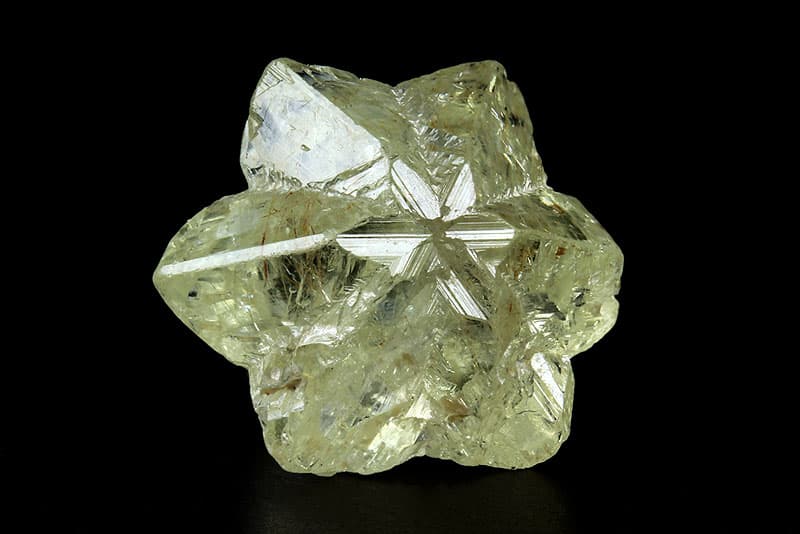
The magical colour-changing chrysoberyl of imperial Russia, worn as a charm of adaptability, balance between worlds, and the astonishing capacity to be more than one thing at once.

Canada
The stone of magic and transformation, carried as a charm for psychic protection, the awakening of hidden gifts, and the luminous mystery of the Northern Lights made stone.

