

167
Wealth
🐱
Vietnamese Lucky Cat
Vietnam
The beckoning cat figure adopted into Vietnamese commerce culture attracts customers and wealth to businesses throughout Vietnam.
4.4Learn more →


The kumquat tree loaded with golden fruit is Vietnam's quintessential symbol of Tet prosperity, representing the gold that the new year will bring.
The kumquat tree (cây quất) is the most potent prosperity symbol of the Vietnamese Lunar New Year (Tết) and the defining image of Tet in Vietnamese visual culture, particularly in central and northern Vietnam. The tree's significance comes from the visual perfection of its tiny golden-orange fruits — small spheres of bright gold clustering densely among dark green leaves, creating a living image of gold among abundance. Bringing a kumquat tree into the home at Tet is believed to invite the same abundance of golden prosperity into the household's finances for the coming year.
The kumquat tree is selected with great care before Tet, with families looking for trees bearing specific qualities: the greatest possible number of ripe fruits (representing golden wealth), fruits that are evenly distributed (representing balanced fortune), and a tree with visible flower buds alongside the ripe fruit (representing continuous renewal of wealth as it is spent). The ideal tree combines all three stages simultaneously — past wealth (ripe fruit), present enjoyment (newly opened fruit), and future fortune (buds). This three-generation representation makes the kumquat tree a symbol of family prosperity across time.
The practice of taking trees back to nurseries after Tet for return or resale has created an interesting economic cycle — many of the most beautifully shaped kumquat trees circulate through multiple families over multiple years, each year amplifying their reputation as bringers of good fortune. A kumquat tree that has stood in a wealthy household is considered to carry that household's prosperous energy and is thus especially sought after. The tree must not lose all its fruit before Tet ends — early fruit drop is considered an inauspicious sign for the year ahead.
The Vietnamese Tet Kumquat Tree traces its origins to Vietnam, where it has been revered for generations as a powerful symbol of prosperity and abundance. Historical records and oral traditions suggest that early versions of this charm appeared centuries ago, when communities in Vietnam first began attributing supernatural qualities to objects drawn from their natural and spiritual environment.
Over time, the Vietnamese Tet Kumquat Tree evolved from a regional folk object into a widely recognized talisman. Traders, travelers, and migrants carried it across borders, introducing it to new cultures that often adopted and adapted it to fit their own belief systems. Today it is found in vietnam and beyond, each culture adding its own layer of meaning and ritual to the charm's enduring legacy.
In its homeland of Vietnam, the Vietnamese Tet Kumquat Tree occupies a revered place in both daily life and ceremonial practice. It is not merely decorative — it is woven into the fabric of cultural identity, appearing in celebrations, rites of passage, and household traditions that have been passed down through generations.
Beyond Vietnam, the Vietnamese Tet Kumquat Tree has gained recognition in vietnam and other regions, where it is valued for its symbolic connection to financial prosperity. Scholars of material culture and anthropologists note that charms like the Vietnamese Tet Kumquat Tree serve a dual psychological function: they provide a tangible focus for hope and intention, and they connect their owners to a living cultural tradition that transcends individual experience.
To get the most from your Vietnamese Tet Kumquat Tree, keep it in a place where you will see it daily — on a desk, nightstand, or near your front entrance. Physical proximity reinforces the intention behind the charm and serves as a regular reminder of your goals.
Traditional practice recommends handling the charm with clean hands and respectful intention. Many practitioners in Vietnam advise setting a clear purpose when you first acquire the charm: hold it, state your wish or goal silently or aloud, and then place it in its chosen position. Periodically cleansing the charm — by passing it through incense smoke, placing it under moonlight, or simply wiping it with a clean cloth — is believed to refresh its energy.
If the charm is meant to be worn (as jewelry or a carried token), keep it close to your body throughout the day. If it is a household object, place it in the area of your home most associated with its purpose — for example, near a workspace for success charms, or by the bed for love and health charms.
Golden abundance in the new year, continuous renewal of family wealth across generations, and the visual proclamation of prosperity to heaven and guests alike.
Purchase a kumquat tree before Tet and place in the main living area where it will be seen by visitors entering the home. Do not remove any fruit voluntarily — allow the tree to keep its fruit throughout the Tet holiday. On the last day of Tet, offer thanks at the family altar. Maintain the tree's moisture carefully so fruit does not dry and fall prematurely.
During Tet, the price of premium kumquat trees in Hanoi and Ho Chi Minh City can reach into the hundreds of dollars for particularly spectacular specimens. Specialist growers spend an entire year training and shaping their trees specifically for the Tet market, and the kumquat tree trade is a significant seasonal agricultural industry.
In southern Vietnam, the peach blossom tree (hoa đào) is more traditional for northern Vietnamese communities, while the yellow apricot blossom tree (hoa mai) is characteristic of southern Tet celebrations. The kumquat tree is used across the country primarily for its fruit symbolism, complementing the blossom trees. Some households use all three for complete Tet fortune.
Early fruit drop is considered a minor inauspicious sign. The traditional remedy is to immediately purchase replacement fruit (loose kumquats) and tie them to the branches with small cords to maintain the tree's appearance. This substitution is widely practiced and considered a completely acceptable workaround — the intention and visual abundance are what matter.
Yes. A healthy, fruit-bearing kumquat plant kept in the home year-round is considered a continuously positive presence. The key is maintaining the plant's health and fruitfulness — a dying or barren kumquat suggests dwindling prosperity. Regular fertilization and bright light placement near a south or east window keeps the plant fruitful and the fortune flowing.
The Vietnamese Tet Kumquat Tree originates from Vietnam, where it has been used as a wealth charm for centuries. Its influence has since spread to vietnam and many other regions worldwide.
Purchase a kumquat tree before Tet and place in the main living area where it will be seen by visitors entering the home. Do not remove any fruit voluntarily — allow the tree to keep its fruit throughout the Tet holiday. On the last day of Tet, offer thanks at the family altar. Maintain the tree's moisture carefully so fruit does not dry and fall prematurely. For best results, set a clear intention when you first acquire the charm and keep it in a prominent, respectful location.
Yes, giving a Vietnamese Tet Kumquat Tree as a gift is considered a generous and meaningful gesture in most traditions. In Vietnam, gifted charms are often believed to carry even stronger energy than those purchased for oneself, because they come with the goodwill and intention of the giver.
Many practitioners recommend periodically cleansing your Vietnamese Tet Kumquat Tree to refresh its energy. Common methods include passing it through incense smoke, placing it in moonlight overnight, rinsing it under clean water (if the material allows), or simply wiping it down with a clean cloth while setting a fresh intention.
While the Vietnamese Tet Kumquat Tree originated in the cultural traditions of Vietnam, it is not exclusive to any single religion. It has been adopted and adapted by people of many faiths and backgrounds, each bringing their own interpretation to its symbolism and use.
Vietnam
The beckoning cat figure adopted into Vietnamese commerce culture attracts customers and wealth to businesses throughout Vietnam.
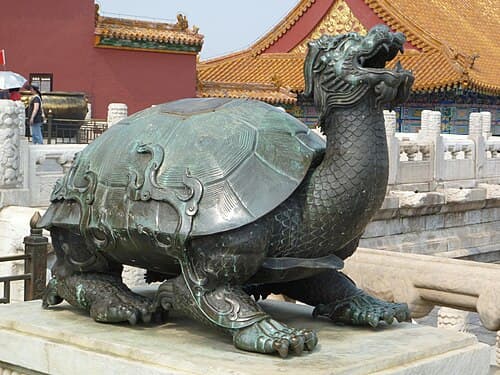
Vietnam
The mythical Long Quy combines the turtle's longevity with the dragon's power, symbolizing wisdom, strength, and enduring fortune.

India
Coins bearing Lakshmi's image, exchanged at Diwali as prosperity tokens, carry the goddess's direct blessing of abundance.

India
Strung across doorways during festivals and ceremonies, mango leaves welcome prosperity and protect against negative energy.

