

375
Health
🦢
Lithuanian Stork
Lithuania
Lithuania's beloved white stork — the bird that nests on rooftops and chimneys, bringing luck, babies, and spring's return.
4.5Learn more →

Belarus's beloved national bird — the white stork that blesses Belarusian homes with fire protection, luck, and the arrival of new life.
The white stork (busel in Belarusian) is Belarus's national bird and its most beloved folk lucky symbol. Like its Lithuanian cousin (the two traditions developed in close parallel), the Belarusian stork nests on farms and villages throughout the country, its nest on a rooftop or chimney considered the most powerful home protection charm nature provides. Belarusians build wooden platforms for storks in what is called 'calling the stork' — an active invitation to fortune.
Belarusian folk culture is rich with stork stories. The stork is believed to punish those who harm or disturb its nest — legend tells that offending families will see their homes burn down, the stork carrying a burning brand in revenge. This protective legend has practical conservation value and deep folk resonance: the stork's nest is inviolable.
In Belarusian folk medicine, stork-related remedies appear for joint pain (treated with stork fat), difficult births (stork charms placed near the laboring mother), and children's growth (stork figures in the nursery). The stork's annual migration — disappearing in autumn and returning in spring — makes it a powerful symbol of faith in return, in the persistence of life, and in the certainty that what departs will come back when the time is right.
Home protection, faith in return after absence, safe childbirth, fire protection, and the rural Belarusian understanding that the best house is one the stork has approved.
Place a Belarusian stork charm near the entrance of a new home as the first protective blessing. Give to expectant parents for safe delivery and healthy child. Keep a stork image near a fireplace or heating element to invoke the stork's traditional fire protection.
Belarus has one of the world's highest white stork densities — approximately 20,000 nesting pairs in a country the size of Kansas. The annual 'stork census' conducted by Belarusian ornithologists is taken as a measure of rural ecosystem health, with stork population declines indicating wetland degradation that affects all species, not just the bird.
The symbolism overlaps significantly, as both traditions developed in the same ecological and cultural zone. Belarusian tradition adds specific fire-protection folklore and medical applications that are somewhat more emphasized than in Lithuanian usage.
Spring arrival (late March through April) when real storks return from Africa is the most potent time. Set intentions for the year's new life and protection when storks are known to be returning to Belarusian nests.
Yes — the stork's blessing transfers to the intention, not the architectural setting. A stork figure near the main door of an apartment carries the same protective invitation as one on a farmhouse roof.
Lithuania
Lithuania's beloved white stork — the bird that nests on rooftops and chimneys, bringing luck, babies, and spring's return.
Lithuania
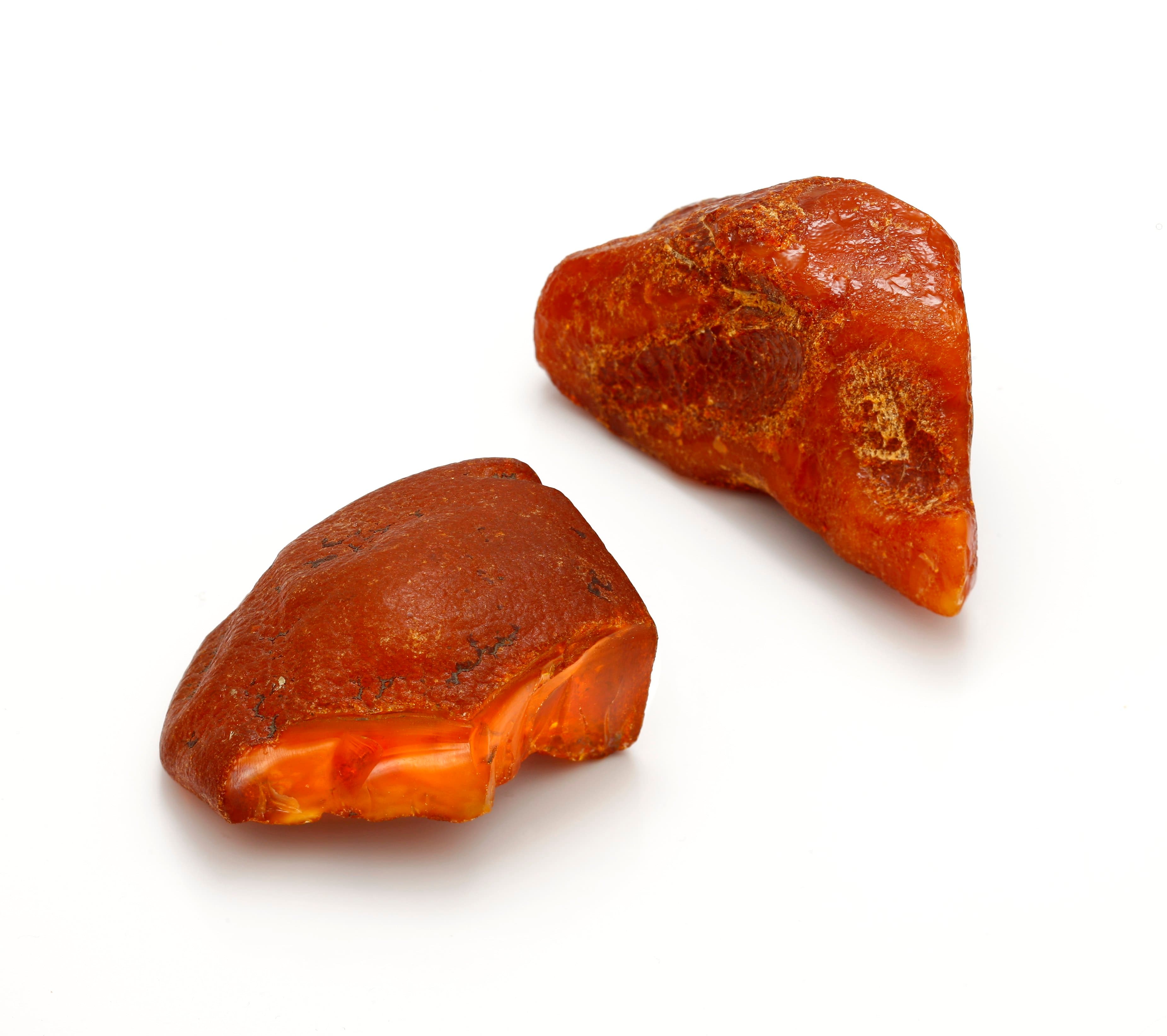
Ancient fossilized Baltic tree resin — the Northern European gold that carries 45 million years of healing and protective energy.

Moldova
Moldova's sacred vine — a land where wine is culture, identity, and the most ancient form of prosperity blessing.

