
479
Health
🟡
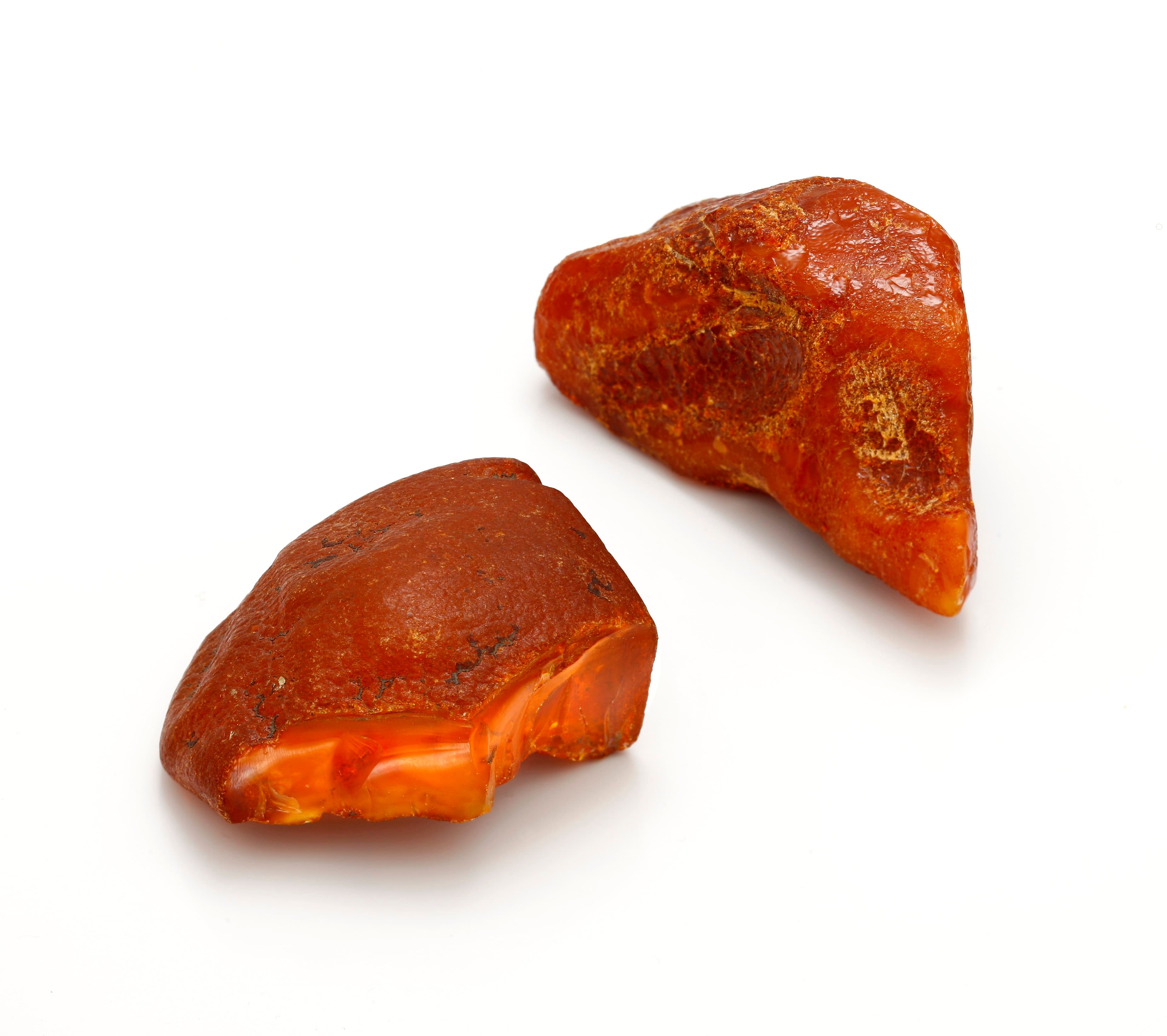
Baltic Amber
Lithuania
Ancient fossilized Baltic tree resin — the Northern European gold that carries 45 million years of healing and protective energy.
4.7Learn more →


Lithuania's beloved white stork — the bird that nests on rooftops and chimneys, bringing luck, babies, and spring's return.
Lithuania has more nesting white storks per capita than any other European country — the stork (gandras in Lithuanian) is the unquestioned lucky bird of the Baltic world, arriving each spring from African wintering grounds to build enormous nests on rooftops, chimneys, telephone poles, and specially constructed platforms that Lithuanian farmers build to attract them. A stork nest on your property is the Baltic world's ultimate good omen.
In Lithuanian folk belief, storks bring more than babies (the universal European legend). A stork nesting on a house protects it from fire and lightning — in a land of thatched roofs, this was life-saving symbolism. A stork that chooses your house is exercising its discernment: it has recognized your household as worthy of its presence and protection. A stork that abandons its traditional nest is an omen of coming misfortune for the household.
Lithuanian folk art is rich with stork imagery — carved wooden storks, pottery storks, embroidered stork motifs, and woven fabric storks. The stork charm is given to expectant mothers for safe delivery, to new homeowners for protection and luck, and to children for health and growth. The stork's annual return from distant lands makes it additionally a symbol of faithful homecoming and the preservation of connection across vast distances.
The Lithuanian Stork traces its origins to Lithuania, where it has been revered for generations as a powerful symbol of healing and vitality. Historical records and oral traditions suggest that early versions of this charm appeared centuries ago, when communities in Lithuania first began attributing supernatural qualities to objects drawn from their natural and spiritual environment.
Over time, the Lithuanian Stork evolved from a regional folk object into a widely recognized talisman. Traders, travelers, and migrants carried it across borders, introducing it to new cultures that often adopted and adapted it to fit their own belief systems. Today it is found in lithuania, latvia, belarus and beyond, each culture adding its own layer of meaning and ritual to the charm's enduring legacy.
In its homeland of Lithuania, the Lithuanian Stork occupies a revered place in both daily life and ceremonial practice. It is not merely decorative — it is woven into the fabric of cultural identity, appearing in celebrations, rites of passage, and household traditions that have been passed down through generations.
Beyond Lithuania, the Lithuanian Stork has gained recognition in lithuania, latvia, belarus and other regions, where it is valued for its symbolic connection to physical and mental wellbeing. Scholars of material culture and anthropologists note that charms like the Lithuanian Stork serve a dual psychological function: they provide a tangible focus for hope and intention, and they connect their owners to a living cultural tradition that transcends individual experience.
To get the most from your Lithuanian Stork, keep it in a place where you will see it daily — on a desk, nightstand, or near your front entrance. Physical proximity reinforces the intention behind the charm and serves as a regular reminder of your goals.
Traditional practice recommends handling the charm with clean hands and respectful intention. Many practitioners in Lithuania advise setting a clear purpose when you first acquire the charm: hold it, state your wish or goal silently or aloud, and then place it in its chosen position. Periodically cleansing the charm — by passing it through incense smoke, placing it under moonlight, or simply wiping it with a clean cloth — is believed to refresh its energy.
If the charm is meant to be worn (as jewelry or a carried token), keep it close to your body throughout the day. If it is a household object, place it in the area of your home most associated with its purpose — for example, near a workspace for success charms, or by the bed for love and health charms.
Home protection from fire and harm, safe childbirth and child health, the faithful return of love and prosperity, spring's arrival, and the blessing of being recognized as worthy by a discerning natural spirit.
Place a stork charm near your front door or on your roof (if practical) to invite protection and good fortune. Give stork charms to expectant mothers for safe birth and healthy baby energy. A stork decoration in the nursery is the traditional Baltic baby blessing.
Lithuania has approximately 13,000 nesting stork pairs — the highest stork density in Europe. Lithuanian farmers build special wooden platforms atop poles for storks to nest on, a tradition so widespread that the rural Lithuanian landscape is defined by these platforms. The Lithuanian government legally protects stork nests even when on private property.
Real stork nests are the most powerful blessing in Baltic tradition — that cannot be replicated. But a stork charm carries the intention of inviting the stork's protective energy, which is the next best thing when you can't attract the real bird.
Never disturb it — this is both Lithuanian cultural law and legal protection. Leave food offerings (frogs, small fish, and earthworms are the stork's preferred foods) nearby during nesting season to show hospitality to your fortune-bearer.
Primarily health and protection in Baltic tradition, with birth as one specific expression. The broader blessing covers fire protection, safe journeys, spring renewal, and household fortune throughout the year.
The Lithuanian Stork originates from Lithuania, where it has been used as a health charm for centuries. Its influence has since spread to lithuania, latvia, belarus and many other regions worldwide.
Place a stork charm near your front door or on your roof (if practical) to invite protection and good fortune. Give stork charms to expectant mothers for safe birth and healthy baby energy. A stork decoration in the nursery is the traditional Baltic baby blessing. For best results, set a clear intention when you first acquire the charm and keep it in a prominent, respectful location.
Yes, giving a Lithuanian Stork as a gift is considered a generous and meaningful gesture in most traditions. In Lithuania, gifted charms are often believed to carry even stronger energy than those purchased for oneself, because they come with the goodwill and intention of the giver.
Many practitioners recommend periodically cleansing your Lithuanian Stork to refresh its energy. Common methods include passing it through incense smoke, placing it in moonlight overnight, rinsing it under clean water (if the material allows), or simply wiping it down with a clean cloth while setting a fresh intention.
While the Lithuanian Stork originated in the cultural traditions of Lithuania, it is not exclusive to any single religion. It has been adopted and adapted by people of many faiths and backgrounds, each bringing their own interpretation to its symbolism and use.
Lithuania
Ancient fossilized Baltic tree resin — the Northern European gold that carries 45 million years of healing and protective energy.

Latvia
Latvia's ancient warrior ring — three interlaced silver bands representing the trinity of Latvian cosmic wisdom.
Belarus
Belarus's beloved national bird — the white stork that blesses Belarusian homes with fire protection, luck, and the arrival of new life.

