
479
Health
🟡
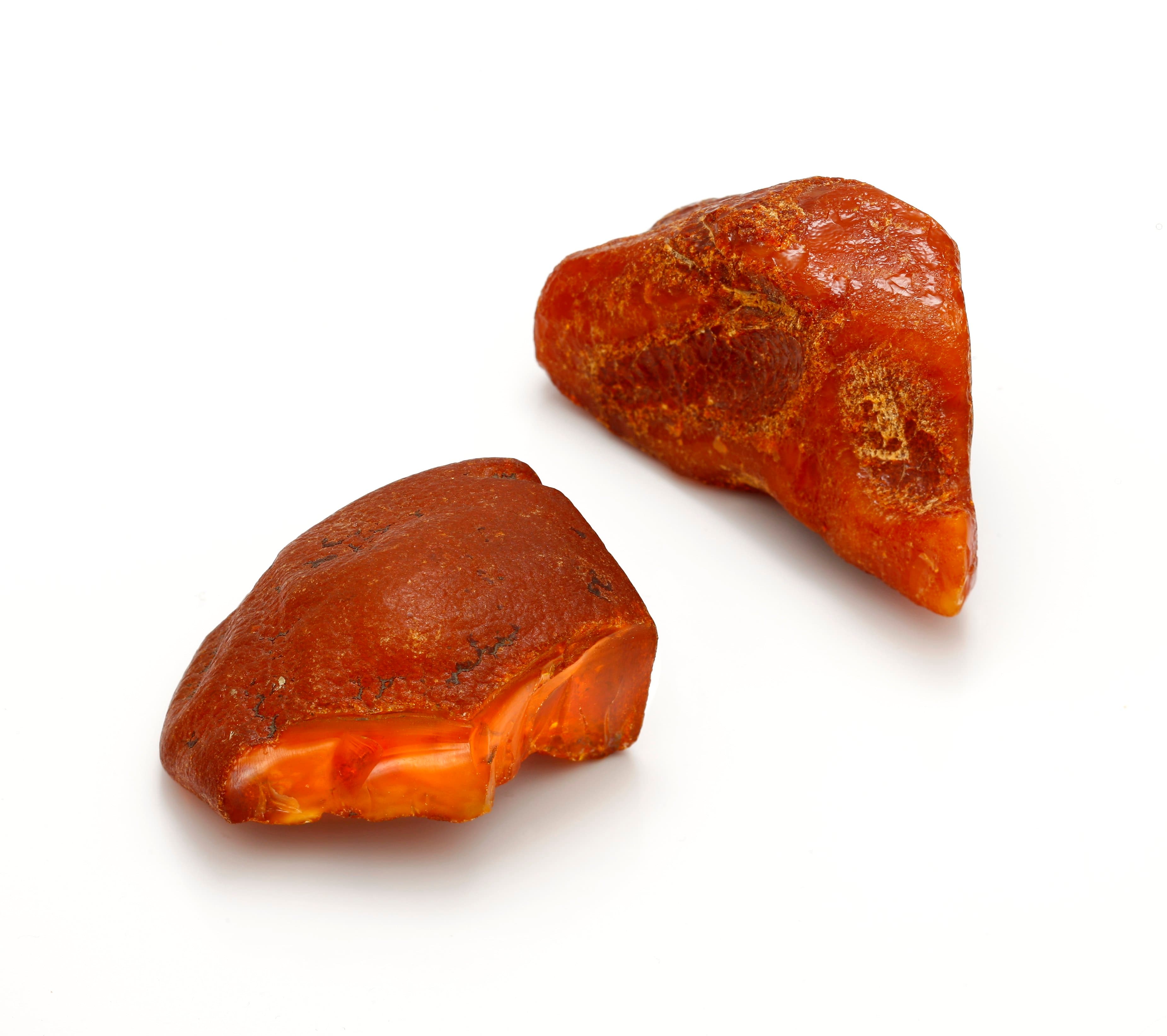
Baltic Amber
Lithuania
Ancient fossilized Baltic tree resin — the Northern European gold that carries 45 million years of healing and protective energy.
4.7Learn more →


Latvia's ancient warrior ring — three interlaced silver bands representing the trinity of Latvian cosmic wisdom.
The Namejs ring (Nameju gredzens) is Latvia's most iconic traditional jewelry piece — three interlaced silver bands that twist and weave around each other without beginning or end, creating a dynamic helical form that moves on the finger. Named for Namejs, a semi-legendary 13th-century Latvian tribal chieftain who led resistance against the Teutonic Knights' conquest, the ring has become the primary symbol of Latvian identity and national pride.
The three interlaced bands carry multiple meanings in Latvian folk wisdom: they represent the tripartite cosmic order (earth, sky, and the world beyond), the three generations of ancestors-parents-descendants, and the three Latvian folk song (dainas) themes of nature, love, and community. The endless interweaving represents the continuity of the Latvian cultural thread through 800 years of foreign domination — German, Polish, Russian, Soviet — the thread always surviving, always continuing.
As a lucky charm, the Namejs ring is among Europe's most powerful symbols of cultural resilience and identity persistence. Worn especially by Latvian men, it signals both national pride and the wearer's commitment to carrying something ancient and irreplaceable forward. During Latvia's 1987-1991 independence movement, the Namejs ring became a resistance symbol worn openly in defiance of Soviet cultural suppression.
Latvian identity resilience, the continuity of cultural thread through all suppression, cosmic tripartite harmony, ancestral connection, and the warrior's commitment to protecting what is sacred.
Wear a Namejs ring on the right hand (traditional for Latvian men) as a statement of cultural grounding and commitment to your values. The ring's motion as it shifts on the finger is considered a reminder of constant dynamic balance. Gift one to someone of Latvian heritage or anyone needing connection to their cultural roots.
During Latvia's Soviet occupation, wearing traditional folk jewelry including the Namejs ring was a form of quiet cultural resistance. When independence movements began in the 1980s, the ring's open display became increasingly political. Today it is the single most popular piece of Latvian jewelry, sold in every craft market and airport shop as the definitive statement of Latvian identity.
Traditional Namejs rings are always silver — silver is the Latvian folk tradition's metal of choice for protective and identity jewelry. Gold versions exist as modern adaptations but lack the full traditional resonance.
Traditionally associated with men, though women's Latvian folk rings with different patterns exist. Contemporary Latvian culture has no restriction on women wearing Namejs rings — cultural identity belongs to all.
The right hand's ring finger is most traditional. Some men wear it on the index finger. The right hand is favored because it is the action hand — the ring reminds the wearer of their values in all they do.
Lithuania
Ancient fossilized Baltic tree resin — the Northern European gold that carries 45 million years of healing and protective energy.

Lithuania
Lithuania's beloved white stork — the bird that nests on rooftops and chimneys, bringing luck, babies, and spring's return.

Estonia
Estonia's national flower — the brilliant blue cornflower (rukkilill) symbolizing Estonian simplicity, honesty, and the blessing of natural beauty.

