

373
Success
💍
Latvian Namejs Ring
Latvia
Latvia's ancient warrior ring — three interlaced silver bands representing the trinity of Latvian cosmic wisdom.
4.5Learn more →


Estonia's national flower — the brilliant blue cornflower (rukkilill) symbolizing Estonian simplicity, honesty, and the blessing of natural beauty.
The cornflower (rukkilill in Estonian, literally 'rye flower') is Estonia's national flower — the brilliant blue wildflower that traditionally bloomed in Estonian rye fields, its electric blue standing against the golden grain in one of Northern Europe's most characteristic summer images. The cornflower was declared Estonia's national flower during the 1968 Estonian national flower contest, selected by public vote as the flower that most embodied the Estonian character: simple, strong, brilliantly blue (matching the national flag's middle stripe), and naturally growing from the same humble soil that sustains the people.
In Estonian folk tradition, the cornflower is a symbol of honest, unpretentious beauty — it grows without cultivation in the fields where people work, asking nothing, offering its brilliant blue freely. Estonian folk songs (regilaulud) frequently use cornflower imagery for the beloved's eyes and for the pure, direct feelings that Estonians value over elaborate expression.
As a lucky charm, the Estonian cornflower brings the blessing of authenticity — the courage to be exactly what you are without pretense, the faith that natural beauty and honest character are sufficient. In a world full of cultivated impressions, the cornflower energy invites genuine self-expression and the love that authentic beauty naturally attracts.
Authentic beauty, honest character, natural abundance without pretense, the beloved's clear eyes, and the faith that genuine simplicity is more beautiful than elaborate artifice.
Keep a dried cornflower or cornflower motif charm as a reminder to lead with authenticity. Place a cornflower image where you work on creative projects to invite honest expression. Give cornflower charms to those who need permission to be simply, genuinely themselves without elaboration.
The Estonian national flag's iconic blue stripe matches the cornflower's distinctive brilliant blue almost exactly — a coincidence of nature and design that deepens the flower's national significance. Estonian independence activists used the cornflower as a subtle identification symbol during the Soviet occupation, wearing small blue cornflowers in buttonholes.
Yes — its primary quality is authenticity, which is relevant in any situation: creative work, business ethics, personal relationships, spiritual practice. It is the charm of genuine self-expression in all its forms.
Dried cornflowers retain their brilliant blue remarkably well — press them between heavy books for two weeks. A pressed cornflower in a small frame or locket is a beautiful and long-lasting charm. Cornflower blue crystal or ceramic beads work equally well.
Estonian folk tradition includes cornflower in midsummer (Jaanipäev) love divination — young women float cornflowers downstream on St. John's Day to see who will love them. As a love charm, it attracts love through authenticity rather than manipulation.
Latvia
Latvia's ancient warrior ring — three interlaced silver bands representing the trinity of Latvian cosmic wisdom.

Lithuania
Lithuania's beloved white stork — the bird that nests on rooftops and chimneys, bringing luck, babies, and spring's return.
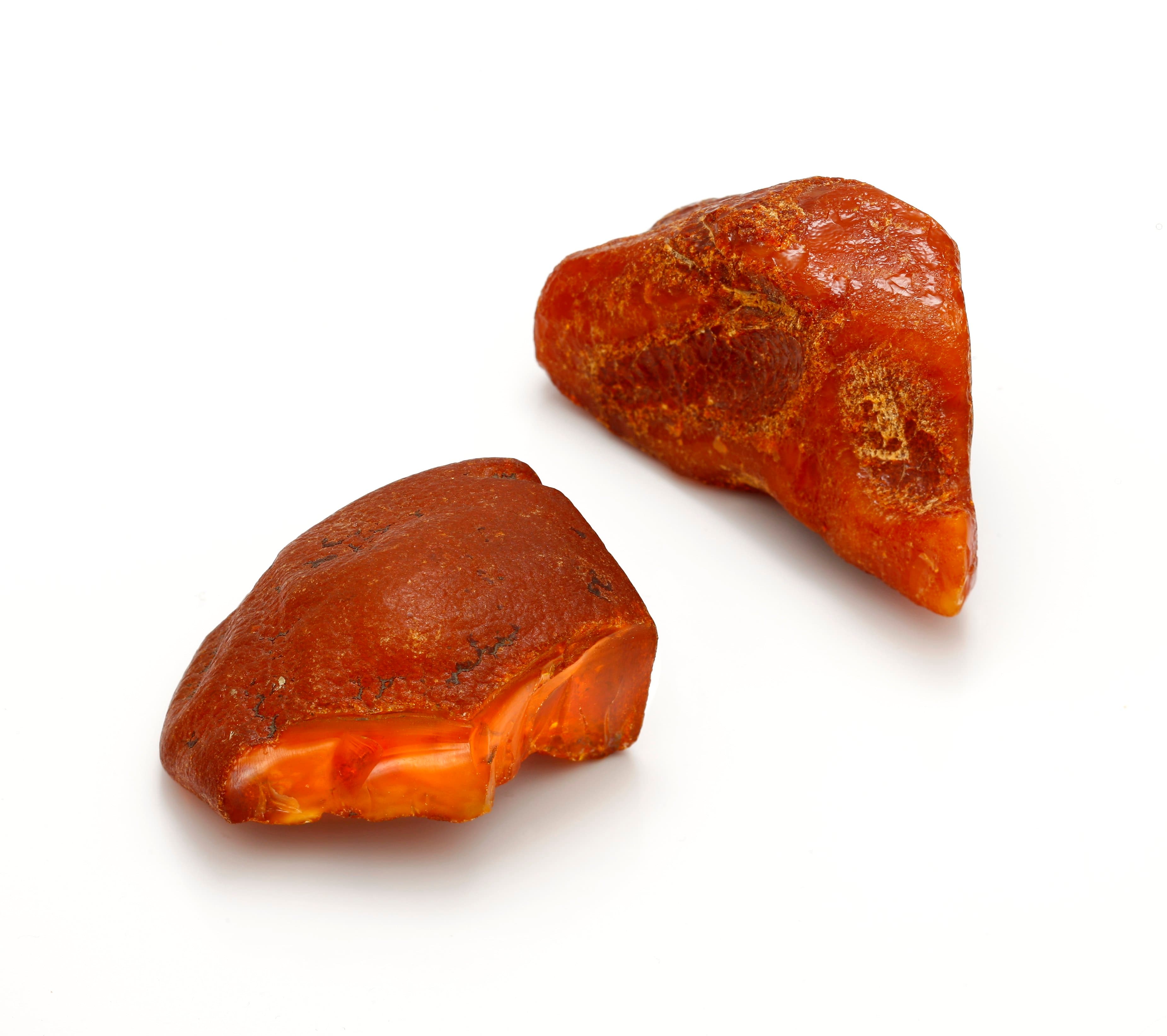
Lithuania
Ancient fossilized Baltic tree resin — the Northern European gold that carries 45 million years of healing and protective energy.

