
67
General
7️⃣
Number Seven
United Kingdom
The most universally lucky number in Western culture, encoded in the cosmos itself.
4.5Learn more →

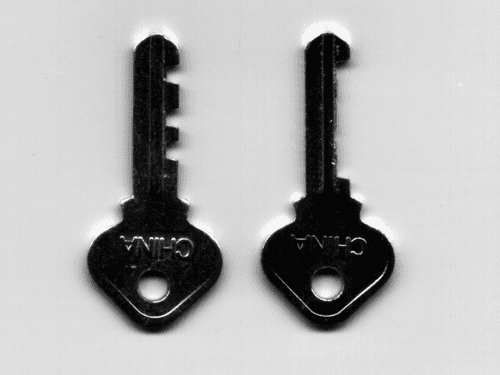
The symbol of access, knowledge, and new beginnings that unlocks the doors of fortune.
The key is among the most universally meaningful symbols in human culture — the tool that both restricts and grants access, that signals authority and trust, that literally turns impossibility into possibility. As a lucky charm, the key has been given and received across Europe for centuries at moments of significant transition: a new home, a new chapter of life, a new year, or the beginning of a new relationship. The symbolic key is a gift of trust and of hope — it says 'I believe you will find what you are looking for.'
In German tradition, three keys are considered an especially powerful luck charm, said to unlock the doors to health, wealth, and love simultaneously. The image of three keys bound together appears on German New Year cards and as a recurring motif in charm jewellery. In Italy, keys are given to eighteen-year-olds at their 'coming of age' celebration as symbols of the independence and access to adult life that the birthday confers.
The key's symbolic depth is enhanced by its specific mechanical function: a key only works on one specific lock, which makes key-giving an act of particular recognition — this key is for this person, for this door, this moment, this opening. No other key will do. This specificity elevates the charm beyond generic good-luck tokens into something that speaks directly to the recipient's unique situation.
The key represents access to what was previously closed, the trust to be given entry to important spaces, and the promise that what you are looking for can indeed be found. It symbolises knowledge, authority, and the power to open what others cannot — the luck of being the right person with the right tool at the right moment.
Give a key charm to someone beginning a new chapter — a new home, a new job, a new relationship — as a symbol of the openings that await them. Wear a key pendant as a reminder that you carry within you what is needed to access what you want. Three keys together are particularly powerful as a traditional German luck gift for the new year.
The Vatican's symbol — two crossed keys, one gold and one silver — represents the power of the keys given by Jesus to Saint Peter: the key to heaven (gold, for divine authority) and the key to earth (silver, for earthly jurisdiction). This papal symbol is one of the oldest and most recognisable institutional uses of the key's symbolic power.
The German tradition of three keys unlocking health, wealth, and love is the most common explanation. Three is a sacred number in many European traditions, and the combination of three keys suggests complete access to all the domains of a fortunate life rather than just one.
Ornate antique-style skeleton keys are the most popular charm form — their decorative bows and elegant shanks are visually compelling. Actual house keys from meaningful homes (a childhood home, a beloved apartment) are sometimes kept as charms that carry specific personal memory alongside the general key symbolism.
Gold keys represent the highest aspiration and divine access. Silver keys are associated with lunar cycles and intuition. Bronze and copper keys are connected to Venus and earthly abundance. The choice of metal can align the charm with specific areas of life where you seek to unlock progress.
United Kingdom
The most universally lucky number in Western culture, encoded in the cosmos itself.

United Kingdom
The humble copper coin that promises a turn of fortune when found heads-up.

Portugal
The navigator's flower that ensures the bearer always finds their way to true north.

