
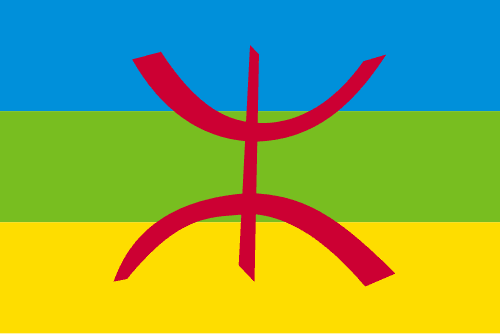
216
Protection
✚
Berber Cross
Morocco / Algeria / Tunisia
Ancient Amazigh geometric cross amulets carried for protection and tribal identity across North Africa's indigenous people.
4.3Learn more →

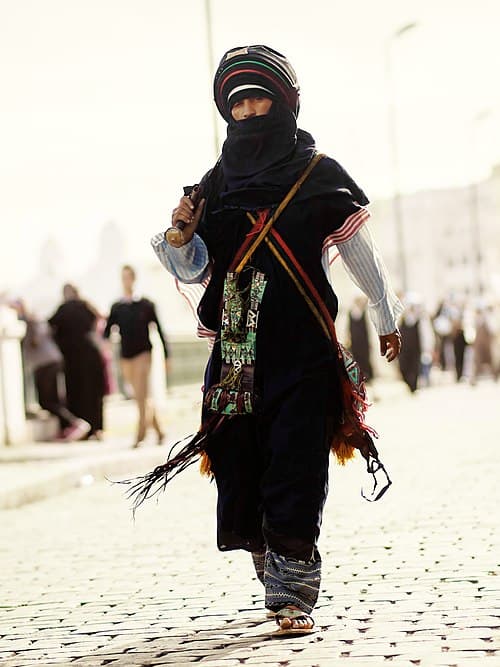
A sacred Saharan cross amulet, each regional variant representing a different oasis city and offering directional protection to desert travelers.
The Tuareg Cross is among the most distinctive and philosophically rich amulet traditions in the world. The nomadic Tuareg people of the central Sahara — spanning southern Algeria, Mali, Niger, Libya, and Burkina Faso — developed a unique family of cross-shaped silver amulets, with each variant specifically associated with one of their historic oasis cities: Agadez, In-Gall, Tahoua, Tamanrasset, Zinder, and others. A Tuareg man traditionally receives a cross from his father at adulthood with the words: 'I give you the four corners of the world — since we cannot know where you will die.'
This phrase encodes the cross's deepest meaning: not knowing what direction death will come from, the cross covers all four directions simultaneously, offering comprehensive protection to the desert nomad who must travel in all directions to survive. The geometric diversity of the cross variants reflects each city's unique visual vocabulary — the Agadez Cross has multiple arms terminating in loops and triangles; the In-Gall Cross is more delicate and open; each version is recognizable to other Tuareg as clearly as a flag would be. Silver is the metal of choice — the Tuareg call silver the 'metal that drives away shadows.'
The Tuareg Cross has become globally recognized as one of Africa's most iconic jewelry forms, appreciated internationally for its striking geometric beauty and the profound philosophical statement embedded in its creation story. It is one of the rare amulets whose specific origin story survives intact and whose meaning deepens the more you know about it.
Protection in all four directions simultaneously, preparation for the unknown, and the acceptance that the wise traveler cannot control where the road leads — only ensure they are covered in every direction they might be called to go.
Wear as a pendant when undertaking long journeys or entering uncertain new phases of life. Give to someone setting out on an adventure or major life transition as a gift of comprehensive directional protection. Display as a meditation object to contemplate the wisdom of accepting uncertainty while remaining protected.
There are approximately 21 recognized regional variants of the Tuareg Cross, each named for a specific Saharan city or tribe. Silver Tuareg crosses are still actively made by Tuareg silversmiths called 'inaden,' and the tradition of a father giving a cross to his son at adulthood continues in many Tuareg communities today.
Approximately 21 regional variants are documented, each associated with a specific Saharan oasis city or Tuareg tribal group. The Agadez Cross (from Niger) is the most internationally famous, but variants from Tamanrasset, In-Gall, and other cities have their own devoted collectors and artisan traditions.
It is a profound acceptance of human vulnerability combined with divine protection — the cross's four arms point in all four cardinal directions simultaneously, meaning wherever death comes from, the bearer is protected. It is simultaneously fatalistic (you cannot know your direction of death) and protective (you are covered in all directions).
Yes. Tuareg inaden (smiths) continue to make crosses by hand using traditional techniques, and the craft is considered an honored hereditary profession. Contemporary inaden have also adapted designs for international markets while maintaining core traditional forms. Purchasing from Tuareg artisans directly supports communities in the Sahel.
Morocco / Algeria / Tunisia
Ancient Amazigh geometric cross amulets carried for protection and tribal identity across North Africa's indigenous people.

Morocco / Algeria / Tunisia
Ancient Amazigh cloak pin loaded with symbolic protective geometry, silver power, and tribal identity.

Morocco
The eight-pointed star of Moroccan Islamic art, a geometric symbol of cosmic harmony and divine order.

