
372
Success
🦅
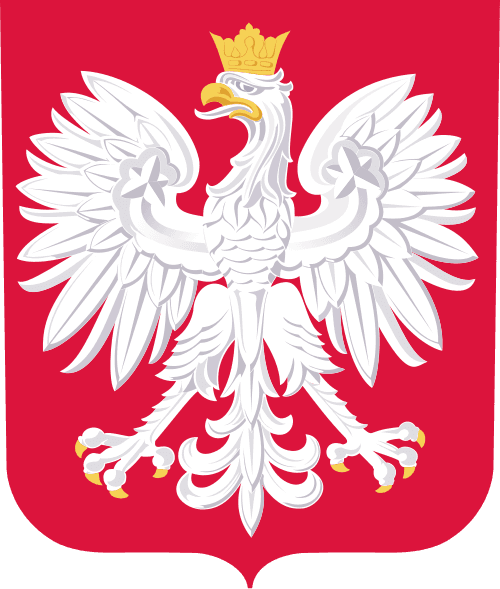
Polish White Eagle
Poland
Poland's heraldic eagle — the crowned white eagle on red — symbol of national strength, sovereignty, and enduring courage.
4.6Learn more →


The double-headed black eagle of Albania — one of heraldry's most ancient symbols, worn by Albanians as a declaration of Illyrian pride and unbreakable sovereignty.
Albania's national symbol is the double-headed black eagle on a red field — one of heraldry's most ancient and dramatically powerful symbols. Used by Byzantine emperors and Holy Roman Emperors, the double eagle in Albania's case dates to Gjergj Kastrioti Skënderbeu (George Castriot Skanderbeg), the 15th-century Albanian national hero who united Albanian clans against the Ottoman Empire under this banner. The double eagle was on Skanderbeg's personal seal, and Albanians have carried it as their identity symbol ever since.
The two eagle heads facing in opposite directions represent the ability to see in multiple directions simultaneously — past and future, east and west, threat and opportunity. Albania's geographical position between East and West, between Orthodox and Catholic Christianity, and between Ottoman and European influence has meant that this double perspective is a survival necessity encoded into national identity.
As a lucky charm, the Albanian double eagle carries fierce sovereignty energy — the right to exist in full power without submission. Albanians worldwide wear the double eagle as jewelry, display it in homes, and tattoo it on their bodies as a statement of identity that no historical force has managed to erase. The charm carries the Albanian diaspora community's deepest connection to homeland and identity.
Fierce sovereignty, the capacity to see in multiple directions simultaneously, Illyrian heritage, indestructible cultural identity, and the courage of the warrior who fights for freedom against overwhelming odds.
Wear an Albanian double eagle pendant when you need the energy of fierce, uncompromising sovereignty. Display in home or workspace as a declaration that this space is claimed with full proud identity. Give to Albanians far from home as their most powerful connection to ancestral energy.
Skanderbeg fought 25 battles against the Ottoman Empire between 1443 and 1468, winning 24 of them — a military record that made him a legend across Europe. Pope Calixtus III called him 'athlete of Christ.' After his death in 1468, the Ottomans reportedly dug up his grave and wore pieces of his bones as amulets, believing his military genius was physically encoded in his remains.
The double-headed eagle was a Byzantine imperial symbol meaning universal sovereignty (over East and West). Skanderbeg adopted it as a declaration that Albanian power was of imperial dignity. The two heads also represent Albania's geographical and cultural position between two worlds.
The double eagle's energy of fierce sovereignty and multi-directional vision is universal. Non-Albanians who carry it should be aware of its deep ethnic identity meaning for Albanians, and carry it with that respect acknowledged.
Black enamel or oxidized silver on red background is most traditional. Gold eagles on red are popular for jewelry. The key is maintaining the red and black color combination — these colors carry the flag's protective energy.
Poland
Poland's heraldic eagle — the crowned white eagle on red — symbol of national strength, sovereignty, and enduring courage.
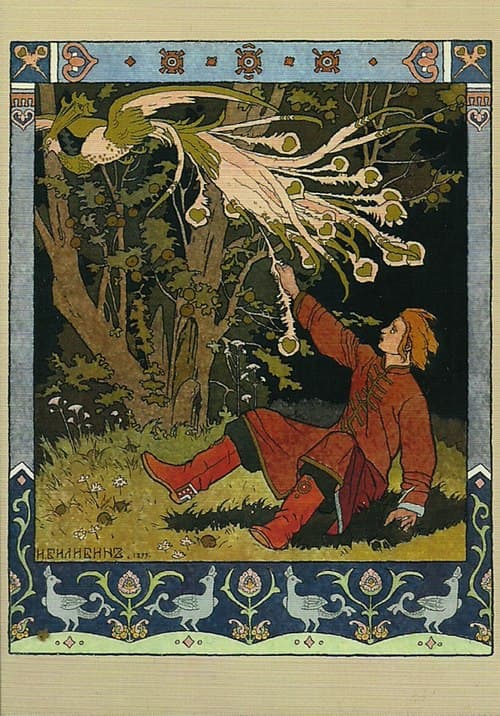
Russia
The mythical glowing bird of Slavic folklore that brings both great fortune and great challenge to those who pursue it.

Kazakhstan
The golden eagle of Kazakh falconry — a symbol of noble freedom, visionary sight, and the sovereign power of the steppe.

