

388
General
🏕️
Kazakh Tunduk
Kazakhstan
The circular skylight of the Kazakh yurt — a cosmic symbol connecting earth and sky that appears on Kazakhstan's national flag.
4.3Learn more →


The golden eagle of Kazakh falconry — a symbol of noble freedom, visionary sight, and the sovereign power of the steppe.
Kazakh eagle hunting (berkutchi) is one of Central Asia's most extraordinary surviving traditional practices — golden eagles trained over years by master hunters (berkutchi) to hunt foxes, rabbits, and even wolves across the Kazakh steppe. The practice requires a profound bond between human and eagle, the bird choosing its partner as much as being trained by them. UNESCO inscribed Kazakh eagle hunting on its Intangible Cultural Heritage list in 2016.
The eagle (bürkít in Kazakh) represents the highest Kazakh values: sovereign freedom, visionary perspective (seeing from heights ordinary eyes cannot reach), patient power (the eagle waits, selects its moment, then acts with absolute commitment), and noble partnership between human and the natural world's most powerful being. Kazakh warrior culture saw the eagle as the perfect symbol of the elite warrior — powerful, discerning, and untamed at its core.
As a lucky charm, the Kazakh eagle carries the steppe's vast energy and the eagle's double vision — the capacity to see both the large landscape (strategic perspective) and the small detail (the precise target) simultaneously. This combination of scope and precision makes the eagle charm ideal for those making large decisions, leading others, or pursuing ambitious goals that require both vision and execution.
Noble sovereignty, visionary sight across vast distances and small details simultaneously, patient power followed by decisive action, and the partnership of human intelligence with natural power.
Place an eagle charm on your desk when strategic planning or making major decisions. Wear an eagle pendant when you need the courage to act decisively after careful observation. Before presentations or performances requiring both wide-angle thinking and precise execution, meditate on the eagle's dual vision.
Kazakh berkutchi (eagle hunters) train their eagles from eaglets taken from the nest, spending 7-10 years developing the hunting partnership. When the eagle is fully mature, it is released back to the wild to breed — the berkutchi keeps the feathers but returns the spirit. This release is considered a sacred act completing the partnership's natural arc.
Each eagle tradition carries distinct energy. The Kazakh eagle specifically embodies falconry partnership — power exercised through relationship and training rather than domination. It also carries the steppe's vast, open-sky energy unique to Central Asia.
Gold or golden-colored material most closely matches the golden eagle. Feather charms (real golden eagle feathers are strictly protected but turkey or other large bird feathers decorated in Kazakh style work symbolically) are traditional. Silver eagle pendants are elegant and durable.
During periods of decision-making, leadership challenges, and ambitious new endeavors. Also when you need to see a situation from a higher perspective — both the large forces at play and the precise practical next step.
Kazakhstan
The circular skylight of the Kazakh yurt — a cosmic symbol connecting earth and sky that appears on Kazakhstan's national flag.
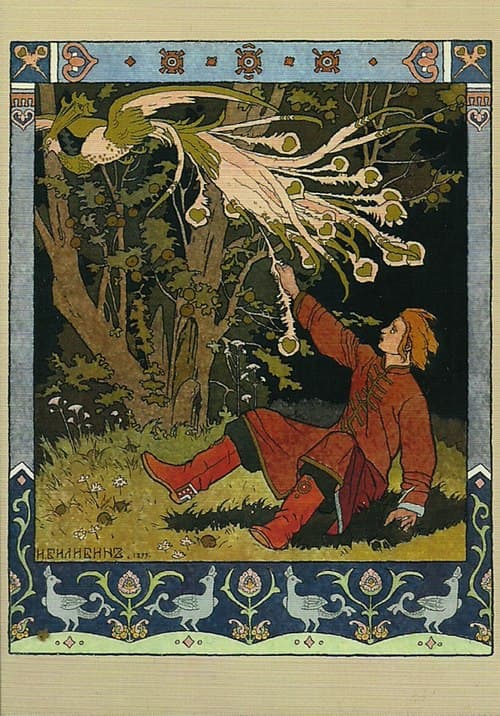
Russia
The mythical glowing bird of Slavic folklore that brings both great fortune and great challenge to those who pursue it.
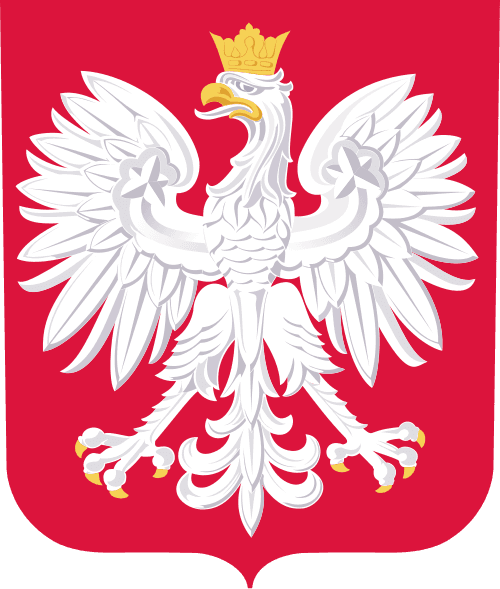
Poland
Poland's heraldic eagle — the crowned white eagle on red — symbol of national strength, sovereignty, and enduring courage.

