

45
Protection
🔵
Turquoise
Iran
The ancient sky-stone of the world's oldest cultures, worn as a charm of protection, communication, and the sacred turquoise bridge between earth and heaven.
4.8Learn more →

Central Asia
5 charms from this country
Kazakhstan's nomadic Kazakh culture carries a deep tradition of protective amulets rooted in Tengrism and shamanistic practice, now layered with centuries of Islamic influence. The tumar — a triangular or cylindrical metal amulet worn on a cord — is the quintessential Kazakh charm, traditionally containing a written prayer or sacred herb and worn to protect against the evil eye and illness. Every newborn is dressed with a tumar, and they appear on traditional headdresses and horse bridles.
The evil eye (köz tию) is taken seriously across Kazakh society: blue beads and wolf claws are traditional protections. The shamanic drum (dombra) and eagle feathers carry ceremonial power. Felt crafts — particularly the circular shanyrak pattern at the top of the yurt — represent the cosmic order and family continuity, and are among the most potent lucky symbols in Kazakh visual culture.
Iran
The ancient sky-stone of the world's oldest cultures, worn as a charm of protection, communication, and the sacred turquoise bridge between earth and heaven.

Middle East
The crescent moon and star, a symbol of Islamic faith found on mosques, flags, and protective amulets across the Muslim world.

Kazakhstan
The golden eagle of Kazakh falconry — a symbol of noble freedom, visionary sight, and the sovereign power of the steppe.

Kazakhstan
The circular skylight of the Kazakh yurt — a cosmic symbol connecting earth and sky that appears on Kazakhstan's national flag.
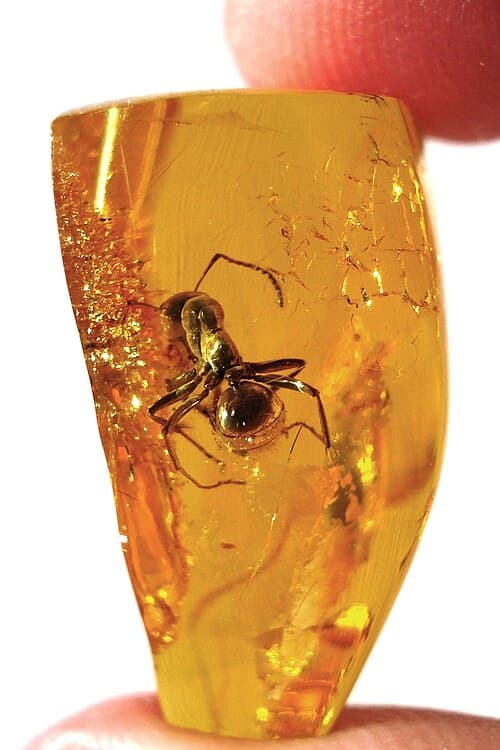
Lithuania
Ancient tree resin turned to golden stone over millions of years, carried as a charm of healing warmth, timeless wisdom, and the sun's preserved light.

