

20
Wealth
🪙
Lucky Penny
United Kingdom
The humble copper coin that promises a turn of fortune when found heads-up.
4.3Learn more →


The beckoning cat that arrived from Japan and was adopted into European luck tradition.
The Maneki-neko — the beckoning or lucky cat — is a Japanese charm that has been so thoroughly integrated into European commercial and domestic culture that it now occupies an ambiguous but genuine place in Western luck traditions. The white porcelain cat with its raised paw, found in the windows of shops, restaurants, and homes throughout Europe, is a striking example of how luck symbols travel across cultures and find new homes in the symbolic ecosystems of host societies.
The Maneki-neko arrived in Europe through trade networks and was initially adopted by Chinese-European restaurants as a sign of Asian identity and good business fortune. But the charm's visual clarity — a cat waving, beckoning customers and wealth inside — transcended its cultural origins and was adopted by shops and businesses of all types. In Amsterdam, Rotterdam, Brussels, and London, lucky cats became associated with commercial success in general, losing their specifically Japanese character while retaining their specific function.
The European lucky cat tradition now has its own variations. White cats with raised left paws are most common (the left paw beckons customers in Japanese tradition; the right paw beckons wealth). Gold versions are most popular in European commercial contexts, amplifying the wealth-attraction symbolism. Some European artisans have created versions decorated with local cultural motifs — Dutch tulips, French fleur-de-lis — creating hybrid charms that are simultaneously Asian in structure and European in decoration.
The lucky cat represents active attraction — the welcoming gesture that draws good fortune inward rather than waiting passively for it to arrive. It embodies the principle that prosperity seeks out those who make themselves welcoming and visible, who signal their readiness to receive. As a cross-cultural charm, it also represents the globalisation of luck — the way that the best ideas about attracting fortune are genuinely universal.
Place a lucky cat in the window of a business or near the entrance of a home to attract customers and prosperity. The cat should face toward the entrance (beckoning people in) rather than away from it. Choose the gold version for wealth attraction, white for general luck, and black for protection. Touch the cat's raised paw for luck before important business decisions.
The solar-powered lucky cat — which waves its arm continuously when placed in sunlight — was invented in Japan in 1970 and became one of the most ubiquitous features of European shop windows throughout the 1990s. Its constant wave became a visual shorthand for 'this place is open for business and welcoming good fortune,' communicating instantly across language barriers.
In Japanese tradition, the left raised paw beckons customers and people, while the right raised paw beckons wealth and good fortune. In European usage, both are considered generally lucky and the distinction is often not maintained. Gold cats with either paw raised are sold as wealth-attractors throughout Europe.
Yes — the lucky cat has been adopted so widely in European commercial and domestic settings that it functions as a genuinely multicultural charm. Using it respectfully and with awareness of its Japanese origins is entirely appropriate. The cross-cultural adoption is a straightforward example of a lucky idea transcending its origins.
White cats bring general luck and happiness; gold cats attract wealth; black cats provide protection (particularly against illness and stalkers); green cats attract good luck in education; pink cats attract love and relationships. In Japan these colour associations are well-defined; in European usage, gold and white are most common and other colours are less strictly interpreted.
United Kingdom
The humble copper coin that promises a turn of fortune when found heads-up.
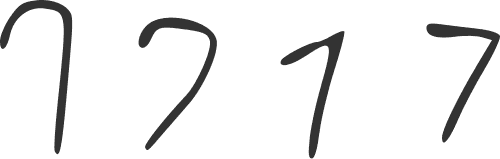
United Kingdom
The most universally lucky number in Western culture, encoded in the cosmos itself.
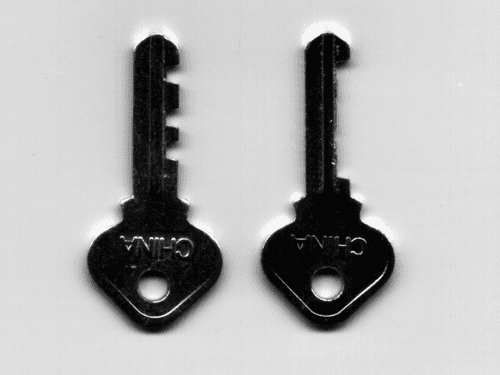
Germany
The symbol of access, knowledge, and new beginnings that unlocks the doors of fortune.

