

435
Success
🔵
Lapis Lazuli
Afghanistan
The royal blue stone of wisdom and truth, carried as a charm of intellectual power, inner vision, and the authority of those who speak truth to power.
4.8Learn more →


The heavenly blue stone of wisdom and divine favour, worn as a charm of mental clarity, loyal devotion, and the blessings of those who seek truth in all things.
Sapphire is the blue variety of corundum (the same mineral as ruby, aluminium oxide), coloured by iron and titanium impurities. Sri Lanka's Ratnapura district — 'City of Gems' — has produced sapphires for over 2,000 years, including the famous Star of India (563 carats) and many of the world's finest cornflower-blue stones. Myanmar's Mogok Valley produces the deep 'royal blue' that commands premium prices; Madagascar emerged in the late 1990s as one of the world's largest producers.
Sapphire was called the 'stone of heaven' across virtually every ancient culture that knew it. Persian emperors believed the sky was the reflection of a giant sapphire, its blue colour transmitted to the firmament from the stone beneath. Medieval Christian tradition held that sapphire represented the celestial paradise, and church leaders — bishops and cardinals — wore sapphire rings as symbols of their aspiration to divine wisdom. The British Crown Jewels contain some of the world's most famous sapphires; Princess Diana's sapphire engagement ring (now Kate Middleton's) made it the most photographed gem in the world.
In contemporary crystal work, sapphire activates the third eye chakra — enhancing mental clarity, wisdom, and perceptive depth — and the throat chakra for truthful, powerful communication. It is particularly associated with sound judgment, intellectual brilliance, and the protection of those who pursue truth. It is the stone of scholars, judges, philosophers, and those in positions where wise decision-making matters.
The Sapphire traces its origins to Sri Lanka, where it has been revered for generations as a powerful symbol of achievement and ambition. Historical records and oral traditions suggest that early versions of this charm appeared centuries ago, when communities in Sri Lanka first began attributing supernatural qualities to objects drawn from their natural and spiritual environment.
Over time, the Sapphire evolved from a regional folk object into a widely recognized talisman. Traders, travelers, and migrants carried it across borders, introducing it to new cultures that often adopted and adapted it to fit their own belief systems. Today it is found in sri lanka, myanmar, madagascar and beyond, each culture adding its own layer of meaning and ritual to the charm's enduring legacy.
In its homeland of Sri Lanka, the Sapphire occupies a revered place in both daily life and ceremonial practice. It is not merely decorative — it is woven into the fabric of cultural identity, appearing in celebrations, rites of passage, and household traditions that have been passed down through generations.
Beyond Sri Lanka, the Sapphire has gained recognition in sri lanka, myanmar, madagascar and other regions, where it is valued for its symbolic connection to personal achievement. Scholars of material culture and anthropologists note that charms like the Sapphire serve a dual psychological function: they provide a tangible focus for hope and intention, and they connect their owners to a living cultural tradition that transcends individual experience.
To get the most from your Sapphire, keep it in a place where you will see it daily — on a desk, nightstand, or near your front entrance. Physical proximity reinforces the intention behind the charm and serves as a regular reminder of your goals.
Traditional practice recommends handling the charm with clean hands and respectful intention. Many practitioners in Sri Lanka advise setting a clear purpose when you first acquire the charm: hold it, state your wish or goal silently or aloud, and then place it in its chosen position. Periodically cleansing the charm — by passing it through incense smoke, placing it under moonlight, or simply wiping it with a clean cloth — is believed to refresh its energy.
If the charm is meant to be worn (as jewelry or a carried token), keep it close to your body throughout the day. If it is a household object, place it in the area of your home most associated with its purpose — for example, near a workspace for success charms, or by the bed for love and health charms.
Wisdom, mental clarity, divine favour, loyal devotion, sound judgment, and the heavenly perspective that perceives truth through the complexity of the human situation.
Wear over the third eye (between the brows) during meditation to enhance intuitive clarity. Place on important documents, contracts, or decision-making journals to bless them with wisdom. Give as an engagement ring to symbolise loyal devotion and the aspiration to grow in wisdom together. Study with it nearby to enhance concentration.
Sapphire comes in every colour except red (which is classified as ruby) — including pink, yellow, orange, green, purple, and the rare Padparadscha (a blend of orange-pink named after the lotus flower). The valuable yellow sapphire (pukhraj) of Jyotish astrology is considered by Vedic astrologers to be the most auspicious of all gems for prosperity and wisdom.
No — sapphire refers to corundum of any colour except red. Pink, yellow, orange, green, purple, and star sapphires are all varieties. In everyday speech 'sapphire' typically means blue, but the technical term encompasses the full rainbow minus red (which is ruby).
Sapphire is among the most durable of gemstones (Mohs 9) and has been used in royal engagement rings for centuries. Its associations with wisdom, loyalty, and divine favour make it symbolically appropriate for marriage alongside or instead of diamond.
Both are blue gemstones but with different energetic qualities. Sapphire's primary energies are wisdom, divine favour, and truth. Blue topaz is more associated with communication, creativity, and the expression of personal vision. Sapphire carries more gravity; topaz carries more openness.
The Sapphire originates from Sri Lanka, where it has been used as a success charm for centuries. Its influence has since spread to sri lanka, myanmar, madagascar and many other regions worldwide.
Wear over the third eye (between the brows) during meditation to enhance intuitive clarity. Place on important documents, contracts, or decision-making journals to bless them with wisdom. Give as an engagement ring to symbolise loyal devotion and the aspiration to grow in wisdom together. Study with it nearby to enhance concentration. For best results, set a clear intention when you first acquire the charm and keep it in a prominent, respectful location.
Yes, giving a Sapphire as a gift is considered a generous and meaningful gesture in most traditions. In Sri Lanka, gifted charms are often believed to carry even stronger energy than those purchased for oneself, because they come with the goodwill and intention of the giver.
Many practitioners recommend periodically cleansing your Sapphire to refresh its energy. Common methods include passing it through incense smoke, placing it in moonlight overnight, rinsing it under clean water (if the material allows), or simply wiping it down with a clean cloth while setting a fresh intention.
While the Sapphire originated in the cultural traditions of Sri Lanka, it is not exclusive to any single religion. It has been adopted and adapted by people of many faiths and backgrounds, each bringing their own interpretation to its symbolism and use.
Afghanistan
The royal blue stone of wisdom and truth, carried as a charm of intellectual power, inner vision, and the authority of those who speak truth to power.
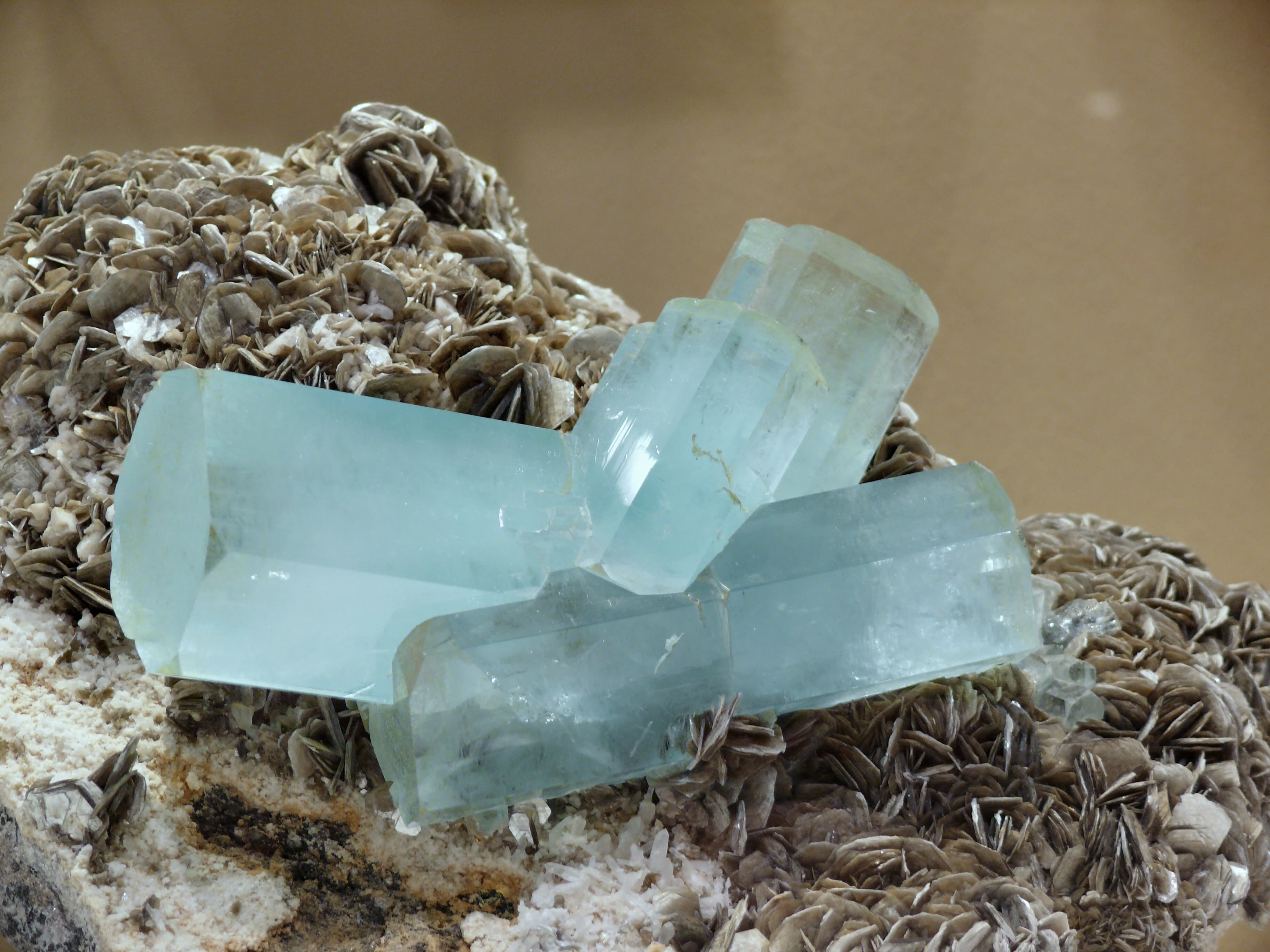
Brazil
The serene blue-green beryl of the sea, carried as a charm for clear communication, emotional calm, courageous truth, and safe passage through any life crossing.

Brazil
The royal purple crystal of sobriety and spiritual clarity, worn as a charm of protection, intuition, and connection to higher wisdom.

