

346
Protection
⚓
Anchor Charm
United Kingdom
The symbol of steadfast hope that holds a life firm against the strongest currents.
4.3Learn more →


The navigator's wheel that guides the ship of life toward chosen destinations.
The ship's wheel — the helm — is one of the most universally understood symbols of directed navigation: the instrument through which human intention shapes the vessel's course through the unmasterable forces of wind and water. As a lucky charm, the ship wheel represents the desired quality of steering one's own life rather than being carried by currents, the combination of skill and courage needed to hold a chosen course through difficulty, and the maritime confidence of nations that have commanded oceans.
The ship's wheel replaced the tiller as the primary steering mechanism in European vessels in the early 18th century, and its spoke-and-rim design quickly became an iconic image of naval authority. Admirals, captains, and pilots who commanded these wheels were among the most powerful figures in European history — their decisions at the helm shaped trade routes, colonial territories, and the fates of entire populations. The wheel thus accumulated the prestige of the people who commanded it.
As a decorative and charm object, the ship's wheel appears in the homes of maritime communities throughout Northern Europe — Britain, Norway, the Netherlands, Portugal — as a symbol of family connection to the sea and a wish for safe navigation of life's waters. Ship wheel pendants are popular gifts for milestone occasions, particularly when someone is beginning a new chapter that requires them to 'take the helm' of their own destiny.
The Ship Wheel traces its origins to United Kingdom, where it has been revered for generations as a powerful symbol of achievement and ambition. Historical records and oral traditions suggest that early versions of this charm appeared centuries ago, when communities in United Kingdom first began attributing supernatural qualities to objects drawn from their natural and spiritual environment.
Over time, the Ship Wheel evolved from a regional folk object into a widely recognized talisman. Traders, travelers, and migrants carried it across borders, introducing it to new cultures that often adopted and adapted it to fit their own belief systems. Today it is found in united kingdom, norway, portugal and beyond, each culture adding its own layer of meaning and ritual to the charm's enduring legacy.
In its homeland of United Kingdom, the Ship Wheel occupies a revered place in both daily life and ceremonial practice. It is not merely decorative — it is woven into the fabric of cultural identity, appearing in celebrations, rites of passage, and household traditions that have been passed down through generations.
Beyond United Kingdom, the Ship Wheel has gained recognition in united kingdom, norway, portugal and other regions, where it is valued for its symbolic connection to personal achievement. Scholars of material culture and anthropologists note that charms like the Ship Wheel serve a dual psychological function: they provide a tangible focus for hope and intention, and they connect their owners to a living cultural tradition that transcends individual experience.
To get the most from your Ship Wheel, keep it in a place where you will see it daily — on a desk, nightstand, or near your front entrance. Physical proximity reinforces the intention behind the charm and serves as a regular reminder of your goals.
Traditional practice recommends handling the charm with clean hands and respectful intention. Many practitioners in United Kingdom advise setting a clear purpose when you first acquire the charm: hold it, state your wish or goal silently or aloud, and then place it in its chosen position. Periodically cleansing the charm — by passing it through incense smoke, placing it under moonlight, or simply wiping it with a clean cloth — is believed to refresh its energy.
If the charm is meant to be worn (as jewelry or a carried token), keep it close to your body throughout the day. If it is a household object, place it in the area of your home most associated with its purpose — for example, near a workspace for success charms, or by the bed for love and health charms.
The ship wheel represents the power and responsibility of self-direction, the combination of skill and courage needed to navigate toward your chosen destination, and the wisdom to read the winds and currents rather than fighting them. It is the charm of those who wish to be active navigators of their lives rather than passive passengers.
Display a ship wheel decoration in your home or office as a symbol of directed intention. Wear a ship wheel pendant when making important navigational decisions in your life. Gift a ship wheel charm to someone taking charge of a new situation — a new leadership role, a new business, or a new life chapter — as a wish for confident and skilled self-direction.
The tradition of the captain 'going down with the ship' — remaining at the helm until all passengers and crew are safely away — is reflected in countless ship wheel symbols on maritime memorials. The wheel on such memorials represents not just navigation but the ultimate act of directional responsibility: choosing the hardest course when others' safety depends on it.
The standard ship's wheel has eight spokes, which corresponds to the eight principal compass points (N, NE, E, SE, S, SW, W, NW). This alignment between the wheel's spokes and navigational directions reinforces the wheel's symbolic role as a navigation instrument in all possible directions.
The ship wheel is particularly meaningful for those in leadership or transition — new managers, people starting businesses, graduates beginning careers, or anyone who has recently 'taken the helm' of a new responsibility. It carries the explicit message: 'You are the navigator of your own story.'
Yes — the number of spokes, the spoke designs, and the materials varied by era and national maritime tradition. British Royal Navy wheels are typically teak with brass fittings; Dutch and Norwegian examples often favour different wood species and simpler designs. Collector enthusiasts identify their regional origins precisely from these design details.
The Ship Wheel originates from United Kingdom, where it has been used as a success charm for centuries. Its influence has since spread to united kingdom, norway, portugal and many other regions worldwide.
Display a ship wheel decoration in your home or office as a symbol of directed intention. Wear a ship wheel pendant when making important navigational decisions in your life. Gift a ship wheel charm to someone taking charge of a new situation — a new leadership role, a new business, or a new life chapter — as a wish for confident and skilled self-direction. For best results, set a clear intention when you first acquire the charm and keep it in a prominent, respectful location.
Yes, giving a Ship Wheel as a gift is considered a generous and meaningful gesture in most traditions. In United Kingdom, gifted charms are often believed to carry even stronger energy than those purchased for oneself, because they come with the goodwill and intention of the giver.
Many practitioners recommend periodically cleansing your Ship Wheel to refresh its energy. Common methods include passing it through incense smoke, placing it in moonlight overnight, rinsing it under clean water (if the material allows), or simply wiping it down with a clean cloth while setting a fresh intention.
While the Ship Wheel originated in the cultural traditions of United Kingdom, it is not exclusive to any single religion. It has been adopted and adapted by people of many faiths and backgrounds, each bringing their own interpretation to its symbolism and use.
United Kingdom
The symbol of steadfast hope that holds a life firm against the strongest currents.
Portugal
The navigator's flower that ensures the bearer always finds their way to true north.
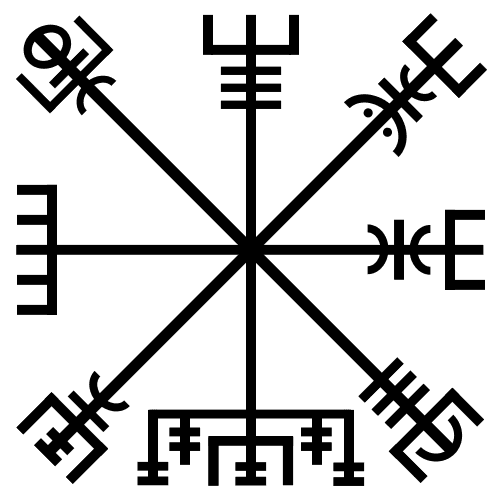
Iceland
The Norse wayfinder compass that guides its bearer through storms to safe harbour.

