

185
Success
🦅
Persian Farvahar
Iran
The winged divine figure of Zoroastrian Iran, symbol of good thoughts, good words, and good deeds.
4.6Learn more →

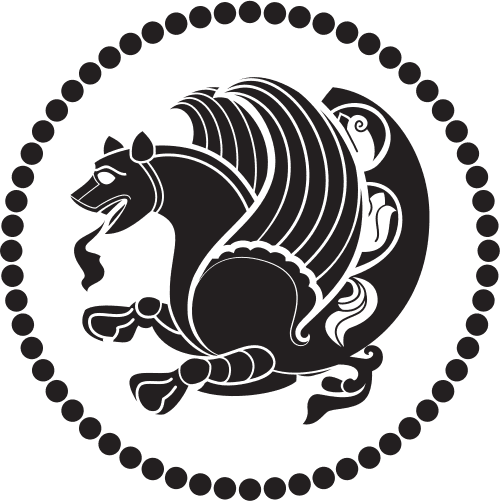
The magnificent mythical bird of Persian legend, a creature of wisdom, healing, and the unity of all knowledge.
The Simurgh (Simorgh) is the most magnificent creature in Persian mythology — a gigantic, benevolent bird described as combining the features of many birds and sometimes of dogs or lions, ancient beyond reckoning (it has witnessed the destruction and rebirth of the world three times), nesting in the Tree of Knowledge at the center of the world, and possessing all the knowledge of the ages. Unlike the threatening dragons and monsters of other mythologies, the Simurgh is primarily a beneficent figure — a healer, a parent-figure to heroes, and a wisdom keeper whose feathers can cure all diseases and whose knowledge encompasses all that has been and all that will be.
The Simurgh appears repeatedly in Iran's national epic, the Shahnameh of Ferdowsi (10th century CE), as the foster parent and teacher of the hero Zal — a child born with white hair who was abandoned by his father and raised by the Simurgh in its nest at the summit of Mount Alborz. The Simurgh's feather, given to Zal as protection, is used multiple times in the epic to summon the bird's healing wisdom in moments of mortal crisis. The Simurgh represents the integration of divine wisdom with earthly practical knowledge.
In the great Sufi poem 'The Conference of the Birds' by Farid ud-Din Attar (12th century), the Simurgh becomes the ultimate destination and the ultimate revelation — thirty birds (si-morgh in Persian) journey to find the mythical Simurgh and discover they themselves are the Simurgh. This insight — that what you seek externally is what you already are internally — is one of Sufism's central teachings, and the Simurgh is its most beautiful expression.
Ancient wisdom, the integration of all knowledge, divine healing, and the mystical revelation that the seeker and the sought are one. The Simurgh whispers: what you are looking for has always been within you.
Display Simurgh imagery in a study or library to invite the energy of all-encompassing knowledge. Wear a Simurgh charm when seeking wisdom through difficult periods of learning or growth. Gift to scholars, healers, and spiritual seekers as an emblem of their pursuit of comprehensive understanding.
The Persian word 'simorgh' literally means 'thirty birds' — si (thirty) + morgh (bird) — which is the pun at the heart of Attar's 'Conference of the Birds': the thirty birds seeking the Simurgh discover they ARE the Simurgh. This wordplay, crossing a 12th-century poem, remains one of the most elegant philosophical puns in world literature.
Mantiq al-Tayr (Conference of the Birds) is a 12th-century Persian Sufi poem by Farid ud-Din Attar of Nishapur. It tells of thirty birds undertaking a perilous journey to find the mythical Simurgh king, facing their own weaknesses along the way. When they arrive they discover 'si morgh' (thirty birds) and realize they themselves are the Simurgh — a profound metaphor for the Sufi concept of the unity of all souls with the divine.
The Simurgh appears as the foster parent of the hero Zal, who was abandoned at birth due to his white hair (considered an ill omen). The bird raised him in its nest on Mount Alborz, gave him a feather for summoning its help, and the feather is used to call the Simurgh for healing at critical moments in the lives of Zal and his son Rustam, the Shahnameh's greatest hero.
The Simurgh, Phoenix, and the Arabian/Persian Roc (Rukh) are related mythologically — all are giant, ancient, potentially magical birds of eastern myth. Scholars believe they may share common origins in ancient Iranian mythology, with the Phoenix legend reaching Greece through Persian contact and the Roc developing as an Arabic/Islamic adaptation. The Simurgh is the most philosophically sophisticated of the three.
Iran
The winged divine figure of Zoroastrian Iran, symbol of good thoughts, good words, and good deeds.

Iran
The teardrop-shaped motif from ancient Persia that conquered the world's textile traditions and became a global symbol of flowing beauty.

UAE / Saudi Arabia / Qatar
The sacred hunting bird of the Arabian Peninsula, a symbol of power, precision, and the noble Bedouin tradition of falconry.

