
117
Protection
🗿
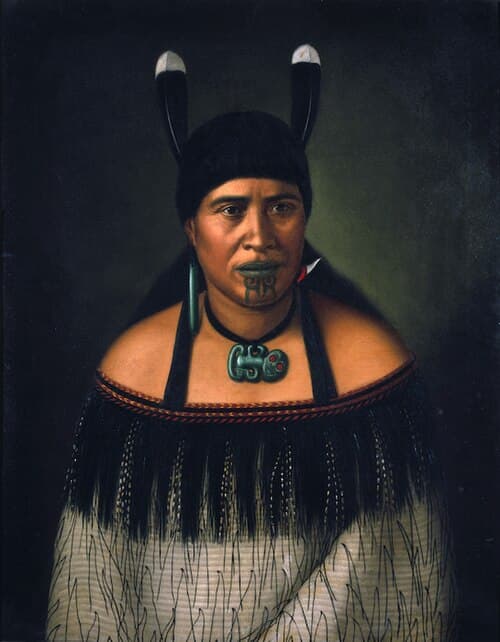
Maori Hei-tiki
New Zealand
The sacred humanoid pendant of the Maori, worn as a powerful charm of ancestral protection, fertility, and good fortune.
4.9Learn more →


Sacred New Zealand jade carried as a living charm of spiritual authority, healing, and the enduring power of the land.
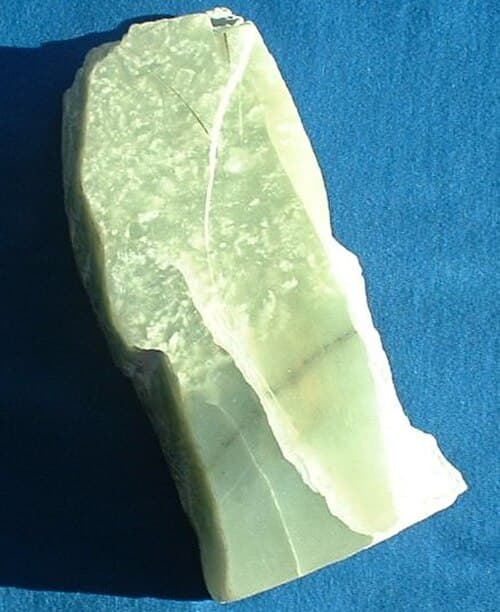
Pounamu — the Maori name for the nephrite jade, bowenite, and related green stones found only on New Zealand's South Island — is considered one of the most spiritually potent materials in the Pacific world. The South Island itself is called Te Wai Pounamu (the Waters of Pounamu), and the Ngai Tahu tribe are the traditional kaitiaki (guardians) of all pounamu. According to Maori tradition, pounamu is a living taonga — it breathes, it grows in power over time as it absorbs the mana of those who carry it, and it must be gifted, not self-purchased, to reach its full spiritual potential.
The stone's deep greens — ranging from translucent pale apple to rich forest and dark spinach — are the result of iron and other minerals in the nephrite matrix. In its raw river form it is found as water-worn boulders and cobbles carried from the mountainous interior by glacial rivers. The act of finding pounamu in a riverbed is itself considered spiritually significant: the stone is said to call to the person it chooses. Carvers shape it into tools, weapons, and ornaments with techniques passed down over 700 years since Polynesian settlement.
As a charm, even a small piece of pounamu carries extraordinary energy. It is associated with healing — both physical and emotional — with protection from negative forces, and with the authority that comes from deep rootedness in place and lineage. It is an ideal charm for healers, leaders, and anyone undergoing significant personal transformation.
Spiritual authority, healing, protection, deep rootedness in identity and place, and the enduring power of things that have been loved through time.
Following Maori tradition, the most potent way to receive pounamu is as a gift. If you purchase a piece, dedicate it by pressing it briefly to your forehead and whispering your intention. Wear against the skin and allow its coolness to remind you of the stone's deep time. Cleanse with fresh running water when it feels energetically heavy.
Before European arrival, pounamu was used to make some of the Pacific's most effective cutting tools — adze blades, chisels, and knives — that could rival metal implements in durability and edge-holding. The stone has a hardness of 6.5 on the Mohs scale, making it tougher than steel in terms of fracture resistance.
Maori tradition holds that pounamu given as a gift carries the aroha (love) of the giver into the stone, amplifying its protective power. Self-purchased pounamu still holds the stone's natural energy but is considered less fully activated.
Different types carry different associations: kawakawa (mid-green with dark patches) is considered most sacred; kahurangi (pale translucent) is associated with health; inanga (pale grey-white) is used for chiefly adornment; tangiwai (clear with green tones) is associated with tears and emotional healing.
Yes — fresh water is actually considered a natural cleanser for pounamu. The stone is durable enough to wear in rivers, lakes, and the sea. Simply dry it carefully afterward and avoid harsh soaps or chemicals.
New Zealand
The sacred humanoid pendant of the Maori, worn as a powerful charm of ancestral protection, fertility, and good fortune.

New Zealand
The unfurling silver fern spiral of Maori art, worn as a charm of new beginnings, growth, and the continuous renewal of life.
China
Revered for over 7,000 years, jade is the stone of heaven in Chinese culture, believed to protect health, ward off evil, and connect the wearer to divine virtue.

