Wind Chime
Ancient China / India
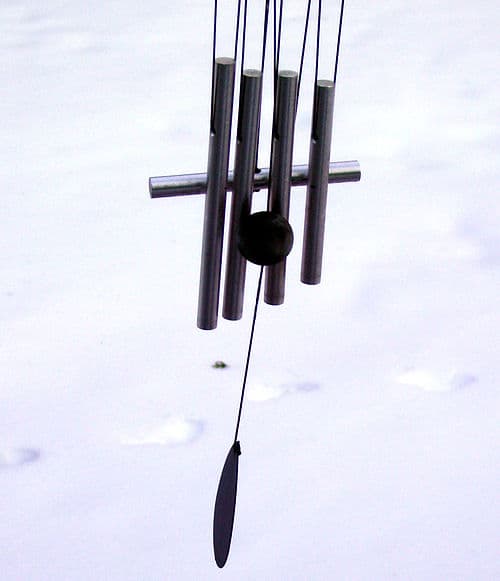
Wind chimes have been used for thousands of years in Asia and worldwide to disperse negative energy, attract good fortune, and fill spaces with the healing, harmonizing vibrations of sound.
The rain stick is a ceremonial percussion instrument and lucky charm from indigenous traditions of South America and Africa, used to invoke rain, honor water, and invite the blessings of abundance and renewal.
Rain sticks are hollow tubes filled with pebbles, seeds, or small beads and sealed at both ends. When turned upside down, the contents cascade from one end to the other, producing a sound remarkably similar to rain falling on leaves or water rushing over stones. The most traditional rain sticks are made from dried cactus wood (particularly the Echinopsis pachanoi cactus of Chile), with the cactus spines pushed inward to slow the fall of the pebbles and extend the rain-like sound. Similar instruments are found in the Ethiopian and Eritrean traditions using bamboo.
Rain sticks were used in ceremonial contexts by indigenous peoples of the Atacama Desert and other arid regions where rain was literally a matter of survival. The act of turning the rain stick was understood as an invocation — a respectful appeal to the rain gods or water spirits to honor the community with the gift of water. In some traditions, the rain stick was shaken during planting season to call in the rains that would germinate the seeds, making it simultaneously a musical instrument, a ritual tool, and an agricultural luck charm.
In modern use, the rain stick has become a widely available world music instrument and is used in sound healing, meditation, and as a home decoration that also serves as a reminder of water's sacred power. The sound of rain it creates is deeply soothing and is used in sleep sound therapy, stress reduction, and as a call to mindful presence.

The invocation of rain, abundance, renewal, connection to water's sacred power, gratitude for the gifts of nature, and the prayer of those who dwell in dry lands.
Turn a rain stick slowly and intentionally during meditation to create a calming sound that brings the mind to rest. Use it as a ceremonial invocation during garden plantings or at the start of the growing season. Place it in your meditation space as both an object of beauty and a sound tool for creating sacred atmosphere. Give one as a gift to someone beginning a new venture as an invocation of the abundant flow of good fortune.
The sound of rain recorded for use in sleep aids and white noise machines — consistently among the most effective of all recorded nature sounds for inducing sleep — has been used in therapeutic contexts by human beings for at least as long as our earliest known ceremonial objects, suggesting that the sound of water falling is one of the most ancient and universal calming triggers in the human nervous system.
There is no scientific evidence that rain sticks influence weather. Their power lies in the ritual intention of the ceremony surrounding their use, the community cohesion created by shared ritual, and the psychological effect of taking symbolic action in relation to what one needs.
Traditional South American rain sticks use dried Echinopsis cactus tubes with inward-turned spines and internal pebbles or seeds. Modern rain sticks may use bamboo, wood, or cardboard tubes with various internal fillings. The cactus version is considered most traditional and authentic.
Yes. Cardboard tubes (from paper towel rolls), sealed at both ends with tape or cardboard circles and filled with rice, small pebbles, or dried lentils, produce a convincing rain sound. Adding a stick pattern on the outside connects it visually to its South American origins.
Ancient China / India
Wind chimes have been used for thousands of years in Asia and worldwide to disperse negative energy, attract good fortune, and fill spaces with the healing, harmonizing vibrations of sound.
Pakistan (Khewra Salt Mine)
Himalayan salt lamps are carved from ancient salt crystals and used worldwide as purifying, calming, and energetically clearing home accessories that create a warm, healing atmosphere.
Ancient Mesopotamia / Multiple traditions
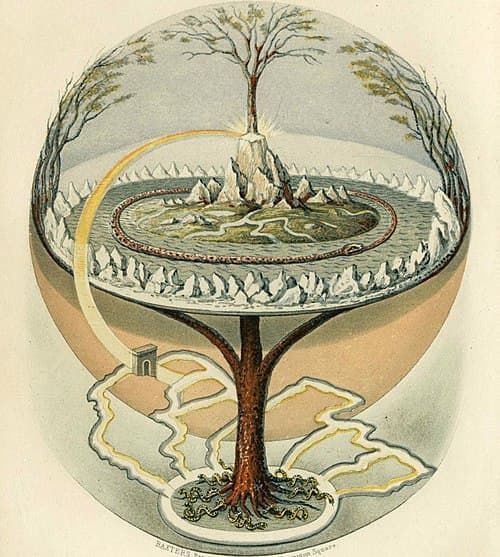
The Tree of Life is a universal symbol found in nearly every major world culture, representing the interconnection of all life, ancestral roots, and the continuous cycle of growth and renewal.