

26
Love
🌸
Rose Quartz
Brazil
The stone of unconditional love, carried as the most universal charm for opening the heart to romantic love, self-love, and compassionate healing.
4.9Learn more →

From ancient Rome to modern Korea, every culture has developed charms and rituals for attracting romantic love. Discover the most powerful love-drawing talismans from around the world.
Love is perhaps the most universally sought-after form of luck. Throughout human history, no category of charm has received more creative attention, more heartfelt belief, or more desperate hope than those designed to attract romantic connection. From ancient Aphrodite's sacred myrtle to the rose quartz crystals of contemporary wellness culture, the love charm is as old as longing itself.
Here is a tour of the world's most compelling love-drawing lucky charms and the cultural traditions that gave rise to them.
No single charm more clearly dominates modern love magic than rose quartz, the pale pink variety of quartz associated with the heart chakra, self-love, and romantic attraction. Used in Himalayan crystal healing, brought to the West through the New Age movement, and now sold in mainstream beauty and wellness outlets globally, rose quartz has achieved a cultural reach that rivals the Maneki-neko in the wealth category.
The underlying principle is consistent across traditions: rose quartz vibrates at the frequency of unconditional love and, when placed on or near the heart, opens the wearer to giving and receiving love. Place a rose quartz heart under your pillow, carry a tumbled stone in your pocket near your heart, or display a rose quartz cluster in the southwest corner of your home (the feng shui love zone) to invite romantic energy into your life.
In Celtic tradition, the rare four-leaf clover was not merely a general luck symbol — each leaf carried a specific blessing: faith, hope, love, and luck. Finding one meant all four forces were aligned in your favour, making it particularly potent for attracting romantic fortune.
Irish folk tradition held that a young person who found a four-leaf clover would meet their true love on the same day. Pressed clovers given as gifts between sweethearts were among the most romantic tokens in Irish rural courting culture.
The red string appears as a love and destiny charm across remarkably different cultures:
Chinese tradition tells of the Red Thread of Fate (紅線), held by the Old Man Under the Moon (月老, Yuè Lǎo), the divine matchmaker. This invisible red thread connects future soulmates from birth, drawing them together regardless of time, distance, or circumstance. Wearing a red string bracelet on the left wrist is a contemporary expression of this belief.
Korean tradition similarly features the red string of destiny, and Korean couples often wear matching red string bracelets as a declaration of their connected fate.
Kabbalah red strings, made from wool wound around the tomb of Rachel in Israel, are worn on the left wrist (closest to the heart) for protection and to attract loving energy. While their primary purpose in Kabbalistic practice is protective, their heart-wrist placement links them to love traditions in many practitioners' use.
Kokeshi dolls — simple turned-wood figures originating in the Tohoku region of Japan — have evolved from folk toys into significant love charms. Traditionally given as gifts between people who care for one another, they represent companionship, warmth, and gentle affection.
Modern kokeshi in the love charm tradition are often given in pairs — a taller and a shorter figure representing two people together. Placed in the relationship corner of a bedroom (southwest in feng shui), a pair of kokeshi dolls is said to invite and sustain loving partnership.
While rose quartz attracts love broadly, garnet is associated with deep, committed, passionate love. The deep red of garnet echoes the colour of blood and the heart, and garnet jewellery has been exchanged between lovers as a token of faithfulness and devotion since ancient Rome.
Medieval knights wore garnet into battle to ensure they would return safely to their beloved. It was also considered a cure for estrangement — gifted between feuding lovers or family members to restore warmth and connection.
In British tradition, the horseshoe features prominently at weddings as a love luck symbol. Brides traditionally carry or receive a horseshoe charm as they leave the church, often a small silver replica decorated with ribbon and flowers. The horseshoe's open end faces upward to collect the couple's good fortune.
The tradition combines the horseshoe's general luck-attracting power with the specific hope that the marriage will be fruitful, happy, and protected from the misfortunes that can assail new couples.
Mandarin ducks (yuānyang in Chinese) are the most powerful love symbols in Chinese culture, representing perfectly matched romantic partnership. Unlike most birds, Mandarin ducks mate for life and are never seen alone. A pair of Mandarin duck figurines placed in the southwest corner of the bedroom is considered among the most potent feng shui love cures available.
The term "yuānyang" has entered everyday Chinese as a description of a perfectly matched couple — the birds' legendary fidelity has made them synonymous with ideal romantic love.
Malachite, with its vivid green swirling patterns, is associated with transformation and heart opening in crystal healing traditions. While not primarily a love-attraction stone, malachite is used by those who feel emotionally guarded after past relationship wounds — its transformative energy is believed to dissolve the protective barriers around the heart and allow love to flow again.
In ancient Egypt, malachite was associated with Hathor, goddess of love and beauty, and worn by women seeking romantic connection.
In Hindu and Buddhist traditions, the Om symbol (ॐ) represents the primordial sound of the universe — the vibrational foundation from which all creation arises. In the context of love, Om practice is used to cultivate the inner peace and self-love from which healthy romantic love can emerge.
Many contemporary spiritual teachers in both Eastern and Western traditions argue that the most powerful love charm is the practice of self-love, and that Om meditation — with its focus on inner stillness and universal connection — creates the energetic conditions from which genuine romantic love naturally flows.
Whatever love charm resonates with you, these principles will help activate its potential:
Clarify your intention: Be specific about what you are seeking — not "I want a relationship" but "I am open to a kind, intellectually stimulating partner who shares my values and makes me laugh." Clarity of intention focuses the charm's energy and your own attention.
Place thoughtfully: In feng shui, the southwest corner of your bedroom or home is the relationship zone. Place love charms there. Avoid placing them in the bathroom (where energy dissipates) or in a home office (which activates career energy rather than love energy).
Cultivate self-love first: Every major love charm tradition agrees on this point — love charms work best when you are actively cultivating love for yourself. Rose quartz at your bedside, rose quartz in your bath, rose quartz in your meditation practice — first directed at your own heart — prepares the ground for romantic love to take root.
Release attachment to the specific outcome: Paradoxically, the most powerful love intention is an open one — "I welcome the love that is right for me" rather than "I want exactly this person in exactly these circumstances." The former creates space; the latter creates obsession.
The world's love charms, in all their cultural diversity, point toward the same truth: love is not scarce, and it is not far away. It is the natural state of the open heart. The charm's deepest purpose is to remind you of that.
Brazil
The stone of unconditional love, carried as the most universal charm for opening the heart to romantic love, self-love, and compassionate healing.

Ireland
The rarest clover mutation, treasured as nature's own lucky charm.

Japan
Traditional Japanese wooden Kokeshi dolls are folk art charms originally carved as offerings to mountain deities, now beloved as symbols of love, friendship, and the warmth of human connection.
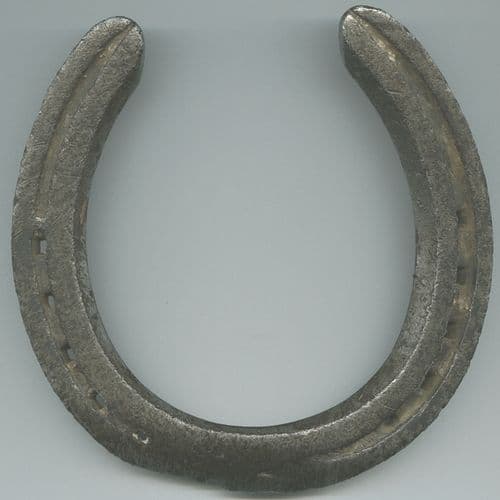
United Kingdom
An iron crescent hung above doorways to catch and hold good luck.

India
The primordial sound of the universe, Om is the most sacred symbol in Hinduism, Buddhism, and Jainism.
From the sixpence in a British bride's shoe to the Korean wild goose and the Mexican wedding lasso, lucky charms and rituals at weddings reveal humanity's universal desire to bless the most important commitment two people can make.
These simple, elegant wooden dolls from Japan's Tohoku region have evolved from folk toys into powerful symbols of love, companionship, and the bonds between people. Discover the rich romantic tradition of the kokeshi.
Pink, gentle, and almost universally beloved, rose quartz has been the crystal of love for millennia. Explore its history, its modern resurgence, and the real reasons it remains the romance crystal par excellence.

