

32
Protection
✝️
Crucifix
Early Christianity (Rome)
The Crucifix — a cross bearing the corpus (body) of Christ — is the central symbol of Christianity and one of the most powerful protective charms in the Western world.
4.8Learn more →

Sub-Saharan Africa
6 charms from this country
Botswana's Tswana and Kalanga peoples have traditions of ancestral veneration and traditional healers (dingaka) who diagnose and treat misfortune with specific protective objects and rituals. The mokgosi (community gathering tree) — often a large shade tree at the village center — is considered a place of communal protection where elders' blessings concentrate.
Christianity is dominant and rosary beads, crosses, and church-blessed objects are the most common protective items. San (Bushmen) communities in the Kalahari maintain ancient traditions of trance healing in which the n/om (spiritual energy) is activated to provide protection and healing for the community. Ostrich eggshell beads, one of the oldest forms of personal ornamentation in human history, are used by the San as both jewelry and lucky charms.
Early Christianity (Rome)
The Crucifix — a cross bearing the corpus (body) of Christ — is the central symbol of Christianity and one of the most powerful protective charms in the Western world.
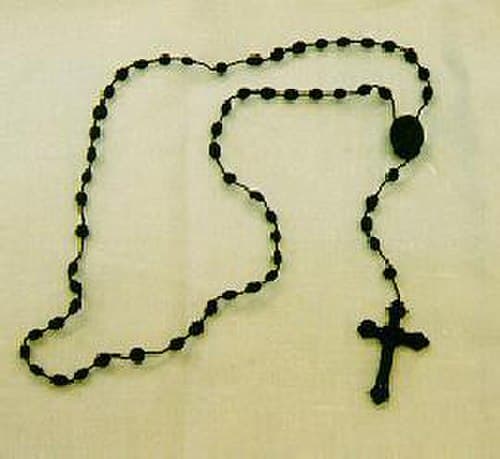
Medieval Europe
Rosary beads are the most recognizable Catholic prayer tool in the world, used by hundreds of millions for meditative prayer, protection, and the invocation of divine grace.

West Africa
Ancient African currency and fertility symbol used across the continent for centuries.

East and Southern Africa
Ancient fertility and abundance symbol used since the Stone Age as a container, ornament, and sacred offering.

Sub-Saharan Africa
The 'Tree of Life' of Africa — ancient, life-sustaining, and filled with the memory of generations.

Botswana
The zebra — Botswana's national animal — representing balance, individuality within community, and the beauty of the African savanna.

