

32
Protection
✝️
Crucifix
Early Christianity (Rome)
The Crucifix — a cross bearing the corpus (body) of Christ — is the central symbol of Christianity and one of the most powerful protective charms in the Western world.
4.8Learn more →

Sub-Saharan Africa
5 charms from this country
Burundi's Bantu tradition has a strong lineage of ancestral veneration in which the spirits of deceased relatives (imizinu) must be honored with offerings and ritual to protect the living from illness and misfortune. Traditional healers (imawe or umugesera) create protective objects and prescribe rituals. The sacred drum (karyenda) is the supreme symbol of Burundian royal power and collective protection.
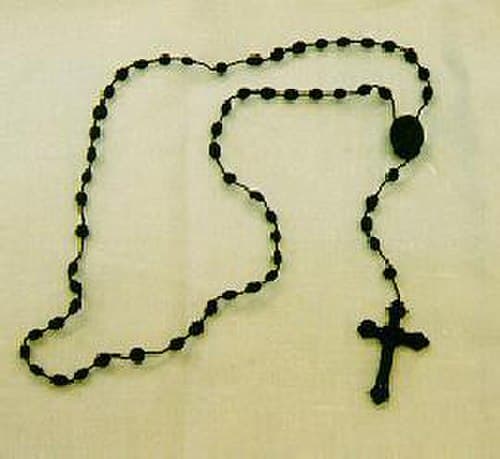
Christianity, brought by missionaries in the colonial era, is now practiced by the majority, and rosary beads and crosses are the most common protective objects. Traditional plant-based amulets and divination practices continue alongside Christian devotion.
Early Christianity (Rome)
The Crucifix — a cross bearing the corpus (body) of Christ — is the central symbol of Christianity and one of the most powerful protective charms in the Western world.
Medieval Europe
Rosary beads are the most recognizable Catholic prayer tool in the world, used by hundreds of millions for meditative prayer, protection, and the invocation of divine grace.

Uganda / Rwanda
The magnificent horn of the Ankole-Watusi cattle — a living symbol of wealth, prestige, and pastoral abundance.

West Africa
Ancient African currency and fertility symbol used across the continent for centuries.

Rwanda
Rwanda's ancient geometric art form made from cow dung — a unique and sophisticated visual tradition of extraordinary beauty.

