

32
Protection
✝️
Crucifix
Early Christianity (Rome)
The Crucifix — a cross bearing the corpus (body) of Christ — is the central symbol of Christianity and one of the most powerful protective charms in the Western world.
4.8Learn more →

Sub-Saharan Africa
5 charms from this country
Eswatini (formerly Swaziland) is one of the world's last absolute monarchies, and the Swazi king's ritual power is both political and protective. The annual Incwala (first fruits ceremony) and Umhlanga (reed dance) are the two most important national rituals, both involving elaborate protective preparations and offerings to the ancestors for national good fortune.
Traditional healers (tinyangas) create protective objects (tinyandza) from specific animal and plant materials. The Python (inswangati) is the sacred royal animal and a supreme protective symbol for the Swazi nation. Christian crosses and rosary beads are carried by the majority Christian population.
Early Christianity (Rome)
The Crucifix — a cross bearing the corpus (body) of Christ — is the central symbol of Christianity and one of the most powerful protective charms in the Western world.
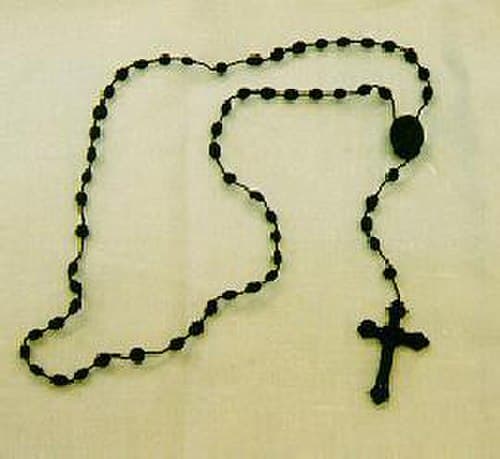
Medieval Europe
Rosary beads are the most recognizable Catholic prayer tool in the world, used by hundreds of millions for meditative prayer, protection, and the invocation of divine grace.

West Africa
Ancient African currency and fertility symbol used across the continent for centuries.

Eswatini
The cowhide warrior shield of Eswatini's umchwasho regiment — worn at the Incwala and Umhlanga ceremonies.
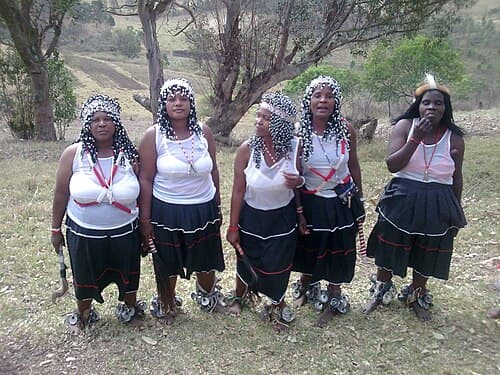
Southern Africa
The sacred divination set of the sangoma healer — bones, shells, and objects that reveal hidden truths.

