

2
General
🍀
Four-Leaf Clover
Ireland
The rarest clover mutation, treasured as nature's own lucky charm.
4.9Learn more →

Americas - Caribbean
6 charms from this country
Barbados's charm tradition reflects its Afro-Caribbean heritage and deeply Protestant British colonial influence. The folk practice of obeah, though officially discouraged, has shaped a tradition of protective herbal bundles, specific rituals for protection against duppies (spirits), and folk healers known as doktors. The flying fish — the national symbol of Barbados and the most common food fish — is considered a lucky animal.
The sea is central to Barbadian identity and maritime lucky objects including anchors and specific shells carry meaning. Protestant Christian practice — particularly Anglican — is dominant, and Bible verses, crosses, and prayer are the primary protective tools. The specific tradition of Crop Over (the harvest festival) involves collective luck-renewing ceremonies.
Ireland
The rarest clover mutation, treasured as nature's own lucky charm.
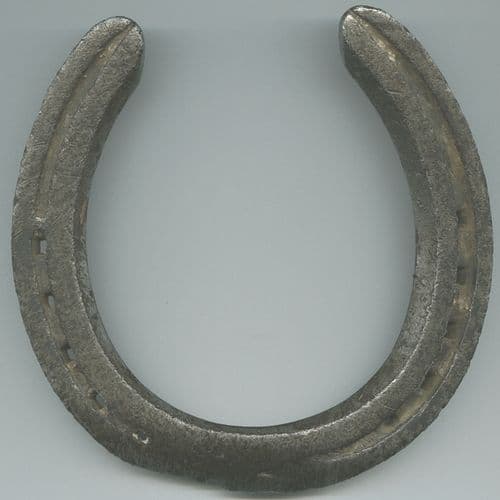
United Kingdom
An iron crescent hung above doorways to catch and hold good luck.

Early Christianity (Rome)
The Crucifix — a cross bearing the corpus (body) of Christ — is the central symbol of Christianity and one of the most powerful protective charms in the Western world.
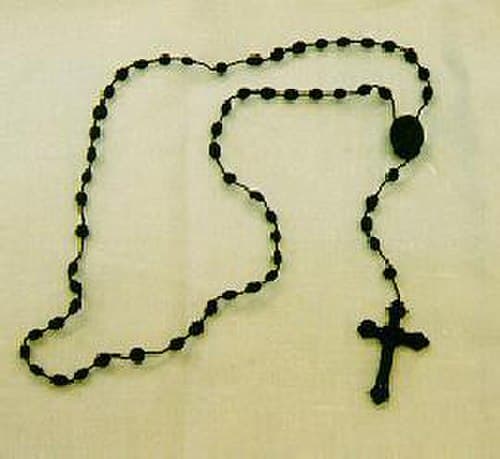
Medieval Europe
Rosary beads are the most recognizable Catholic prayer tool in the world, used by hundreds of millions for meditative prayer, protection, and the invocation of divine grace.

West Africa
Ancient African currency and fertility symbol used across the continent for centuries.

United Kingdom
The symbol of steadfast hope that holds a life firm against the strongest currents.

