

32
Protection
✝️
Crucifix
Early Christianity (Rome)
The Crucifix — a cross bearing the corpus (body) of Christ — is the central symbol of Christianity and one of the most powerful protective charms in the Western world.
4.8Learn more →

Sub-Saharan Africa
6 charms from this country
Lesotho's Basotho people carry protective traditions rooted in ancestral veneration and the power of specific animal and plant materials. The distinctive Basotho blanket — a woven wool blanket worn year-round as a cloak — carries specific patterns with protective and identity meanings. Traditional healers (dingaka) prescribe specific protective objects called litaola (divining bones) and herbal preparations.
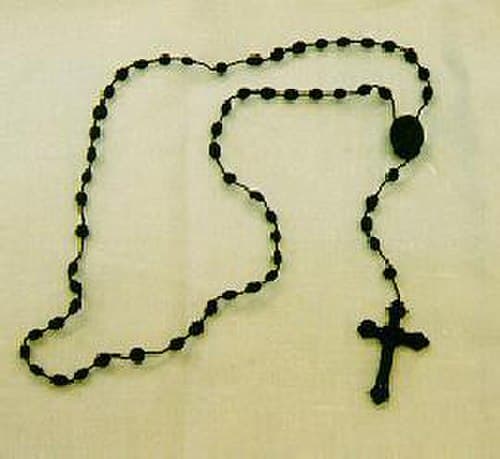
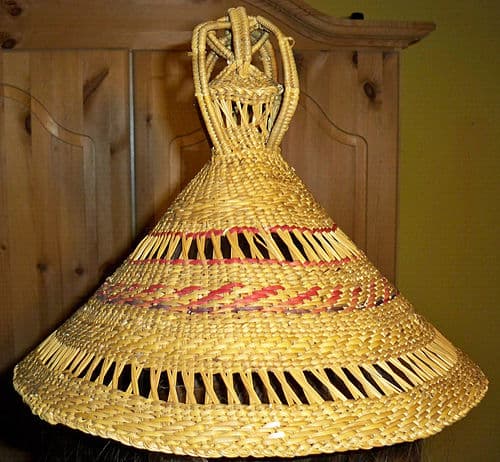
Christianity arrived early in Lesotho through French Protestant missionaries and is now dominant, so crosses and rosary beads are widely carried. The mokorotlo (woven grass hat) is a national symbol of identity and collective protection. The crocodile, emblem of the ruling Crocodile clan, is associated with ancestral protective power.
Early Christianity (Rome)
The Crucifix — a cross bearing the corpus (body) of Christ — is the central symbol of Christianity and one of the most powerful protective charms in the Western world.
Medieval Europe
Rosary beads are the most recognizable Catholic prayer tool in the world, used by hundreds of millions for meditative prayer, protection, and the invocation of divine grace.

West Africa
Ancient African currency and fertility symbol used across the continent for centuries.

South Africa
National flower of South Africa and symbol of resilience, diversity, and the beauty that grows from harsh conditions.
Southern Africa
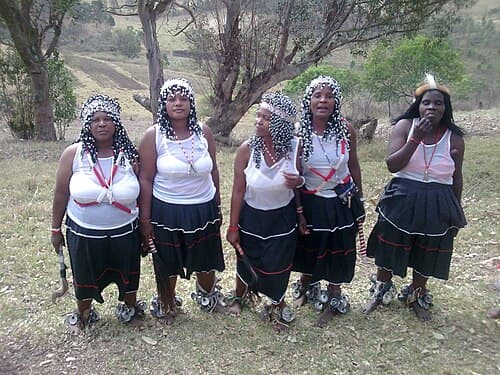
The sacred divination set of the sangoma healer — bones, shells, and objects that reveal hidden truths.
Lesotho
The iconic conical woven hat of Lesotho — national symbol of the mountain kingdom and its people.

