

32
Protection
✝️
Crucifix
Early Christianity (Rome)
The Crucifix — a cross bearing the corpus (body) of Christ — is the central symbol of Christianity and one of the most powerful protective charms in the Western world.
4.8Learn more →

Sub-Saharan Africa
5 charms from this country
Malawi's predominantly Christian population carries a tradition of protective faith objects — crosses, rosary beads, and blessed water — overlaid on deep traditional Chewa and Ngoni practices of ancestral protection. The Gule Wamkulu (great dance) of the Chewa people, recognized by UNESCO, involves masked figures representing ancestral spirits who enforce social laws and provide protection.
Traditional healers (asing'anga) prescribe specific amulets and rituals for protection and luck. Cowrie shells appear in traditional dress and divination. Lake Malawi — one of the world's largest and most biodiverse lakes — is considered a sacred landscape with specific protective spirits whose goodwill must be maintained by lakeside communities.
Early Christianity (Rome)
The Crucifix — a cross bearing the corpus (body) of Christ — is the central symbol of Christianity and one of the most powerful protective charms in the Western world.
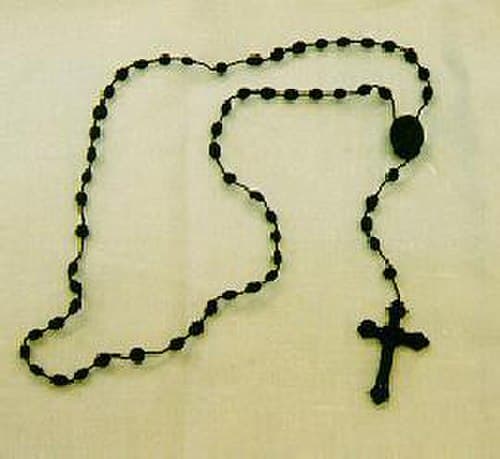
Medieval Europe
Rosary beads are the most recognizable Catholic prayer tool in the world, used by hundreds of millions for meditative prayer, protection, and the invocation of divine grace.

West Africa
Ancient African currency and fertility symbol used across the continent for centuries.

Sub-Saharan Africa
Ceremonial mask used across Africa to embody spirits, invoke divine forces, and transform the masked dancer into a sacred intermediary.

Zambia
The African Fish Eagle of Zambia — supreme symbol of freedom, clear vision, and leadership above the ordinary.

