
33
Protection
📿
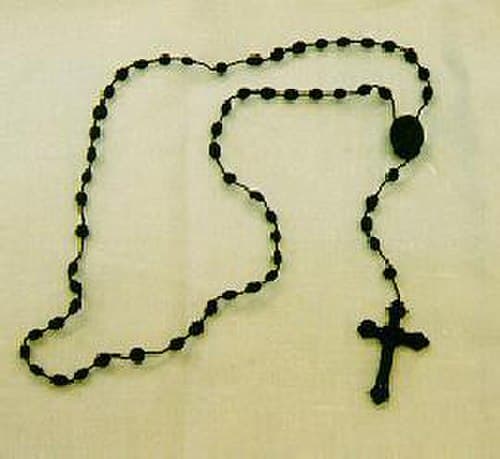
Rosary Beads
Medieval Europe
Rosary beads are the most recognizable Catholic prayer tool in the world, used by hundreds of millions for meditative prayer, protection, and the invocation of divine grace.
4.8Learn more →

Sub-Saharan Africa
7 charms from this country
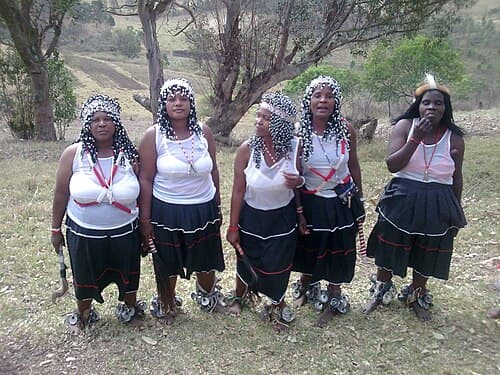
Mozambique's Bantu-speaking peoples — Makua, Tsonga, Shona — carry traditions of ancestral protective spirits and specialized healers (curandeiro) who diagnose misfortune and prescribe protective objects and rituals. The Makua northern people have distinctive wooden helmet masks used in initiation rituals. The Swahili coastal tradition brings Islamic amulet practice with Quranic inscriptions and tasbih beads.
The Arab trading presence along the coast for over a millennium left deep marks on the protective traditions of coastal Mozambicans, particularly in the practice of writing Quranic protective verses. Christian crosses and rosary beads are widely carried in the south. Traditional n'anga healers prescribe animal-based and plant-based lucky objects.
Medieval Europe
Rosary beads are the most recognizable Catholic prayer tool in the world, used by hundreds of millions for meditative prayer, protection, and the invocation of divine grace.

West Africa
Ancient African currency and fertility symbol used across the continent for centuries.

Sub-Saharan Africa
Ceremonial mask used across Africa to embody spirits, invoke divine forces, and transform the masked dancer into a sacred intermediary.
Southern Africa
The sacred divination set of the sangoma healer — bones, shells, and objects that reveal hidden truths.

Southern Africa
Traditional Southern African medicine pouch containing protective and healing herbs and sacred substances.

India
The deep red stone of passionate love and vital energy, carried as a charm for romantic devotion, physical vitality, and the courageous pursuit of desire.

Myanmar
The King of Gems, worn as the supreme charm of passionate love, life-force vitality, and the courageous fire of the fully living heart.

