

4
Wealth
🐱
Maneki-neko (Lucky Cat)
Japan
The beckoning cat is Japan's most iconic good-luck charm, believed to wave fortune, customers, and prosperity into any space it occupies.
4.9Learn more →

With hundreds of lucky charms from dozens of cultures, how do you find the one that resonates? This practical guide walks you through intention, heritage, materials, and intuition.
Walk into any souvenir shop in Istanbul, a crystal store in Sedona, or an antique market in Kyoto, and you will be confronted with an overwhelming array of objects claiming to bring good fortune. Evil eye beads, jade pendants, horseshoe ornaments, crystal spheres, animal figurines — the choices are endless. So how do you cut through the noise and find a lucky charm that genuinely resonates with you?
The answer lies in a thoughtful process that considers your intention, your heritage, the materials that speak to you, and — perhaps most importantly — your intuition. Here is a practical guide to making that choice.
The single most important question to ask yourself before choosing a lucky charm is: What do I want this charm to help me with?
Lucky charms are not generic. Throughout history, different objects have been associated with specific types of fortune:
Start by identifying which category matters most to you right now. Your intention will immediately narrow the field from hundreds of options to a manageable handful.
One of the most meaningful ways to choose a lucky charm is to connect with your own cultural roots. Every culture on earth has produced its own luck traditions, and there is something deeply satisfying about carrying an object that your ancestors might have carried too.
If your family has roots in Ireland, a four-leaf clover or a Claddagh ring connects you to centuries of Celtic tradition. If your heritage is Japanese, a Daruma doll or an omamori temple charm carries the weight of generations. If you come from a Middle Eastern background, a Hamsa hand or evil eye bead links you to one of the world's oldest protective traditions.
Even if you do not have a strong connection to a particular culture, researching the charm traditions of your region or ancestry can reveal surprising and personally meaningful options.
The substance from which a lucky charm is made carries its own symbolic weight:
Think about how you want to interact with your charm on a daily basis:
Choose a format that fits your lifestyle. A busy professional who travels frequently might prefer a small pendant or pocket stone, while someone who works from a home office might invest in a meaningful desk charm.
After all the research and rational analysis, the final and most important step is to listen to your gut. Lucky charm traditions across the world consistently emphasize that the right charm will call to you. You will feel drawn to it. It will catch your eye in a crowded market stall. It will feel right in your hand.
This is not mysticism — it is the brain's pattern-recognition system responding to an object that aligns with your subconscious needs, aesthetic preferences, and emotional state. When a charm resonates, your commitment to it deepens, and that commitment is what transforms an inert object into a meaningful daily ritual.
Most traditions include some form of activation ritual for a new lucky charm:
Care for your charm regularly. Clean it, recharge it in sunlight or moonlight if appropriate, and treat it with the respect you would give any meaningful personal object. A neglected charm, according to nearly every tradition, loses its potency.
Choosing a lucky charm is a deeply personal act. There is no universally "best" charm — only the charm that is best for you, right now, given your intentions, your heritage, and your intuition. Approach the process with genuine curiosity and respect for the traditions behind each object, and you will find something that serves you well.
Japan
The beckoning cat is Japan's most iconic good-luck charm, believed to wave fortune, customers, and prosperity into any space it occupies.
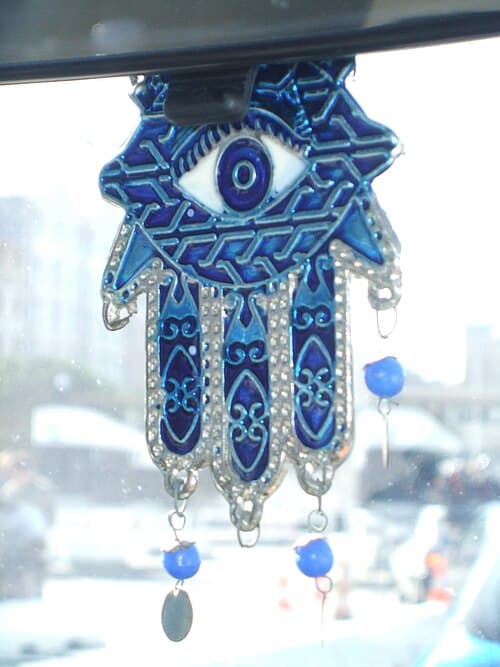
Middle East
An open palm amulet warding off the evil eye across Middle Eastern and North African cultures.

Ireland
The rarest clover mutation, treasured as nature's own lucky charm.

Japan
The round, roly-poly Daruma doll is Japan's symbol of perseverance — you set a goal, paint one eye, and complete the other only when the goal is achieved.

Brazil
The golden abundance crystal, known as the Merchant's Stone, carried to attract wealth, success, and the warm energy of solar prosperity.
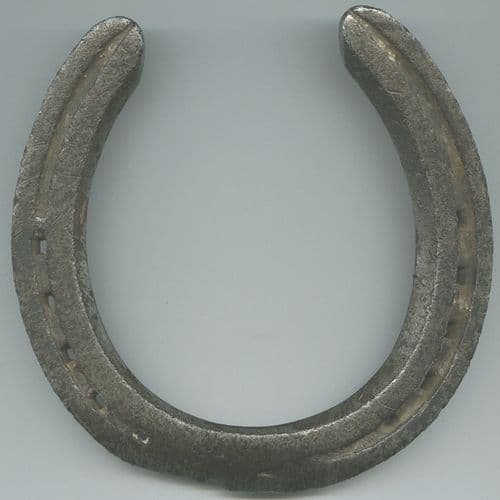
United Kingdom
An iron crescent hung above doorways to catch and hold good luck.
Every month of the year is associated with a gemstone believed to bring special fortune to those born under its influence. Discover the history and meaning behind all 12 birthstones.
Traveling to holy sites around the world not only offers a glimpse into diverse cultures and histories but also provides an opportunity to collect meaningful...
Museums are treasure troves of creativity, showcasing the brilliance of artists from various eras and styles. While visiting these cultural institutions, man...