

2
General
🍀
Four-Leaf Clover
Ireland
The rarest clover mutation, treasured as nature's own lucky charm.
4.9Learn more →

Every culture has lucky traditions for weddings. From the Swedish coin-in-the-shoe to the Korean ducks, discover how the world blesses its newlyweds.
Weddings are among the most charm-intensive events in human culture. Across every continent, couples and their families employ an astonishing variety of objects, gestures, and rituals designed to bless the marriage with lasting love, fertility, prosperity, and protection from misfortune. Many of these traditions are so deeply embedded that modern couples follow them without knowing their origins. Here are the most fascinating wedding lucky charms from around the world.
The most widely known Western wedding charm tradition comes from a Victorian-era English rhyme. Each element serves a specific protective purpose:
The lesser-known final line of the rhyme is "and a silver sixpence in her shoe," which brings financial prosperity. Many modern brides substitute a penny or other small coin.
In traditional Korean weddings, a pair of wooden mandarin ducks (or wild geese, called kirogi) are placed on the ceremonial table. Mandarin ducks mate for life, and they represent lasting fidelity and harmony. After the wedding, the ducks are displayed in the couple's home — if they face each other, the marriage is harmonious. If they face away from each other, it signals a quarrel that needs resolution.
The kirogi tradition is so important that even in modern Korean weddings, which often blend Western and Korean elements, the ducks are almost always present.
While Western brides dread rain, in Hindu tradition rain on a wedding day is considered extraordinarily auspicious. A wet knot is harder to untie than a dry one — so rain symbolizes a bond that will be nearly impossible to break. The Sanskrit word for rain is also associated with blessings and divine favor.
Hindu weddings also incorporate dozens of other lucky elements: turmeric paste applied to the couple's skin for purification, a sacred fire (agni) walked around seven times, mango leaves hung at the entrance for prosperity, and coconuts broken as offerings to remove obstacles.
At Italian and Greek weddings, guests receive confetti (Italian) or koufeta (Greek) — sugar-coated almonds distributed in odd numbers (usually five). Each almond represents a wedding wish:
The almonds must be given in odd numbers because odd numbers cannot be divided evenly — symbolizing the indivisibility of the married couple. The bitterness of the almond beneath the sugar coating represents the reality that marriage contains both sweet and difficult moments.
In German and British tradition, seeing a chimney sweep on your wedding day brings extraordinary luck. The tradition dates to a legend in which a chimney sweep saved a king's life by stopping his runaway carriage. Many German couples hire a chimney sweep to appear at their wedding for photographs and to shake the groom's hand.
The chimney sweep's blackened appearance also connects to older beliefs about the protective power of soot and fire — substances associated with hearth, home, and domestic warmth.
In the Greek Orthodox wedding ceremony, the bride and groom are crowned with wreaths (called stefana) connected by a white ribbon. The crowns symbolize that the couple are the king and queen of their new household. The crowns are switched between their heads three times, representing the Holy Trinity and the intertwining of their lives.
After the ceremony, the stefana are preserved — traditionally displayed in a glass case in the couple's home as a permanent lucky charm and reminder of their vows.
The elaborate henna designs applied to the bride's hands and feet in South Asian and Middle Eastern weddings are not merely decorative — they are deeply lucky. The deeper the color of the dried henna, the more the groom is said to love the bride. In some traditions, the groom's name or initials are hidden within the intricate henna patterns, and the wedding night does not begin until he finds them.
Henna itself is considered protective against evil spirits, and the application ceremony (called mehndi in Hindi) is one of the most joyful pre-wedding events, filled with singing, dancing, and blessings from female relatives.
In the traditional Japanese wedding ceremony, the couple performs san-san-kudo — sharing three cups of sake, each sipped three times. The number three is sacred in Shinto tradition, and three threes make nine, which is the luckiest possible number. The shared sake symbolizes the binding of two families, and any drops spilled are considered offerings to the gods.
The sake cups are sometimes kept as lucky charms after the ceremony, displayed in the home alongside other wedding mementos.
Jumping the broom is a wedding tradition with roots in the African American experience, particularly during the era of slavery when legal marriages were forbidden. Couples would jump over a broom together to publicly declare their commitment. The broom symbolizes the sweeping away of the old and the welcoming of the new — a fresh start blessed by the community.
Today, jumping the broom has been reclaimed as a proud cultural tradition. Many modern African American couples incorporate it into their ceremonies, often using beautifully decorated brooms that become cherished family heirlooms.
The Chinese character shuangxi — double happiness — is the supreme wedding symbol in Chinese culture. It appears on everything: invitations, decorations, clothing, gifts, and the bedroom door of the newlyweds. The character is always rendered in red, the color of joy, luck, and celebration.
The double happiness symbol is believed to create a field of auspicious energy around the couple. Gifts of money in red envelopes bearing the symbol are the standard wedding present, and the amounts given always avoid the number four (death) and favor the number eight (prosperity).
Modern couples increasingly blend traditions from multiple cultures to create their own unique lucky wedding ritual. The key insight from studying these diverse traditions is universal: every culture recognizes that marriage is both a celebration and a leap of faith, and every culture has developed beautiful, symbolic ways to ask the universe for its blessing. Whether you tuck a coin in your shoe, display wooden ducks in your home, or crown each other with wreaths, you are participating in humanity's oldest and most hopeful ritual — the belief that love, once blessed, can endure.
Ireland
The rarest clover mutation, treasured as nature's own lucky charm.
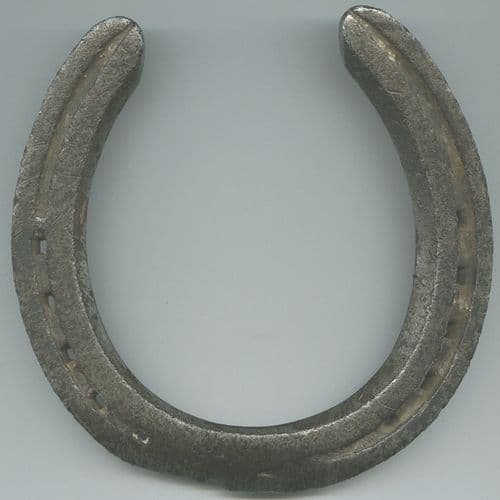
United Kingdom
An iron crescent hung above doorways to catch and hold good luck.

Brazil
The stone of unconditional love, carried as the most universal charm for opening the heart to romantic love, self-love, and compassionate healing.

China
The red string bracelet is one of East Asia's most widely worn protective charms, believed to ward off evil, bind fated relationships, and carry the protective power of the color red.
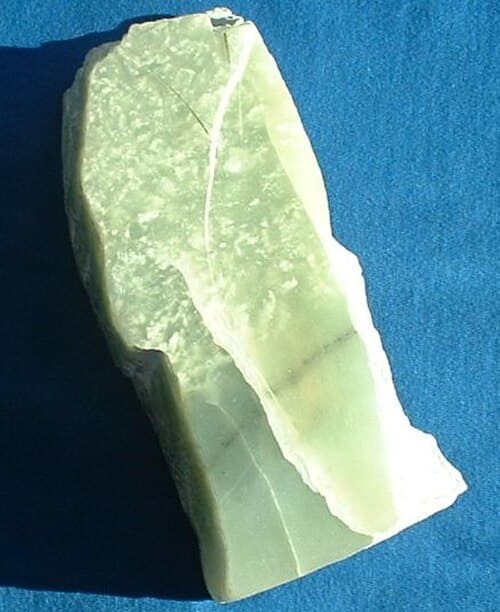
China
Revered for over 7,000 years, jade is the stone of heaven in Chinese culture, believed to protect health, ward off evil, and connect the wearer to divine virtue.
From the sixpence in a British bride's shoe to the Korean wild goose and the Mexican wedding lasso, lucky charms and rituals at weddings reveal humanity's universal desire to bless the most important commitment two people can make.
These simple, elegant wooden dolls from Japan's Tohoku region have evolved from folk toys into powerful symbols of love, companionship, and the bonds between people. Discover the rich romantic tradition of the kokeshi.
Pink, gentle, and almost universally beloved, rose quartz has been the crystal of love for millennia. Explore its history, its modern resurgence, and the real reasons it remains the romance crystal par excellence.