
33
Protection
📿
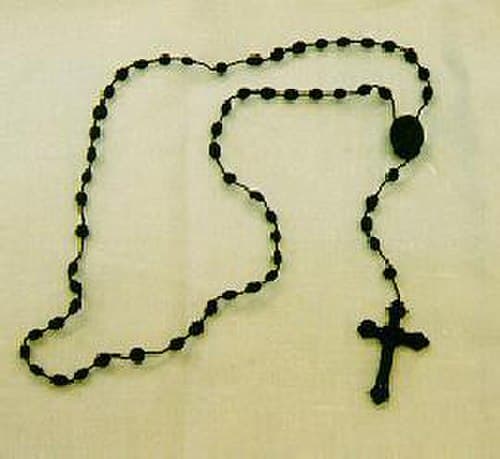
Rosary Beads
Medieval Europe
Rosary beads are the most recognizable Catholic prayer tool in the world, used by hundreds of millions for meditative prayer, protection, and the invocation of divine grace.
4.8Learn more →

Sub-Saharan Africa
6 charms from this country
The Democratic Republic of Congo is home to some of Africa's most powerful and visually striking protective amulets. The Nkisi figures of the Kongo people — wooden figurines bristling with nails, blades, and other objects driven in by a ritual specialist (nganga) to activate their power — are among the most internationally recognized African ritual objects. Each nail driven into the nkisi activates a specific protective or punitive force.
The Luba and Kuba kingdoms produced elaborate ceremonial objects including masks and figures that channeled ancestral power. Cowrie shells are ubiquitous across ceremonial dress and divination objects throughout the Congo Basin. The syncretic Christian movements of Kimbanguism and similar Congolese churches have created their own distinctive blend of Christian and African protective symbolism.
Medieval Europe
Rosary beads are the most recognizable Catholic prayer tool in the world, used by hundreds of millions for meditative prayer, protection, and the invocation of divine grace.

West Africa
Ancient African currency and fertility symbol used across the continent for centuries.

Sub-Saharan Africa
Ceremonial mask used across Africa to embody spirits, invoke divine forces, and transform the masked dancer into a sacred intermediary.

Congo
Kongo power figure bristling with nails that activate its protective power and bind agreements between parties.
Congo
Nkisi spirit figure from the Kongo tradition — a vessel of concentrated spiritual power for healing and protection.

Central and West Africa
Carved ivory talisman historically embodying royal power, ancestral memory, and the strength of the elephant.

