

2
General
🍀
Four-Leaf Clover
Ireland
The rarest clover mutation, treasured as nature's own lucky charm.
4.9Learn more →

Americas - Caribbean
7 charms from this country
Cuba's most distinctive contribution to world amulet culture is Santería (Lucumí), the syncretic Afro-Cuban religion that equates Yoruba orishas with Catholic saints. The ilekes — sacred necklaces of beads in the specific colors of each orisha (blue-and-white for Yemayá, red-and-black for Elegguá, etc.) — are the primary amulets of Santería initiates. Elegguá, the orisha of crossroads and beginnings, is often represented by a cement head with cowrie eyes placed behind the door.
Cowrie shells are essential divination tools and decorative elements across Afro-Cuban practice. The evil eye (mal de ojo) is guarded against with the standard Caribbean practices. The Cuban cigar (tabaco) plays a role in Santería ceremonies as an offering to specific orishas. Catholic rosary beads and saint medals coexist with Santería objects in most Cuban homes.
Ireland
The rarest clover mutation, treasured as nature's own lucky charm.
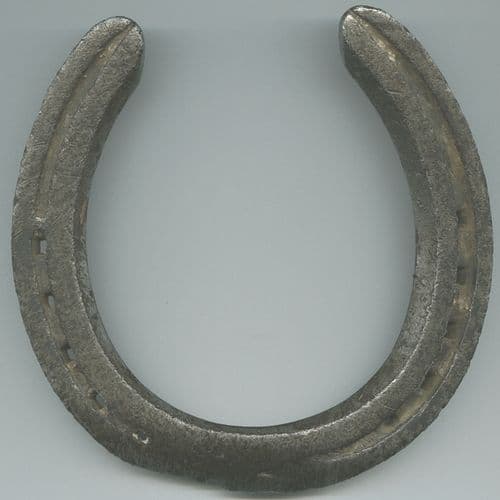
United Kingdom
An iron crescent hung above doorways to catch and hold good luck.

United Kingdom
The humble copper coin that promises a turn of fortune when found heads-up.

Early Christianity (Rome)
The Crucifix — a cross bearing the corpus (body) of Christ — is the central symbol of Christianity and one of the most powerful protective charms in the Western world.
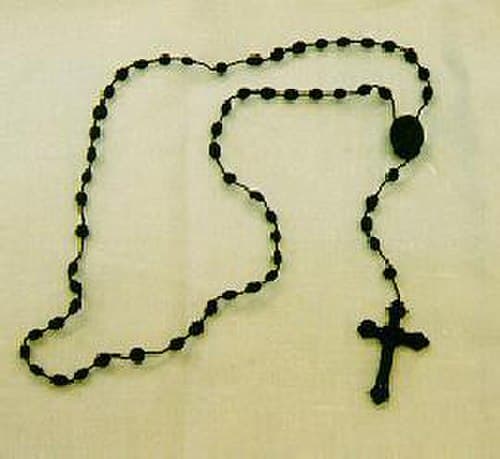
Medieval Europe
Rosary beads are the most recognizable Catholic prayer tool in the world, used by hundreds of millions for meditative prayer, protection, and the invocation of divine grace.

West Africa
Ancient African currency and fertility symbol used across the continent for centuries.
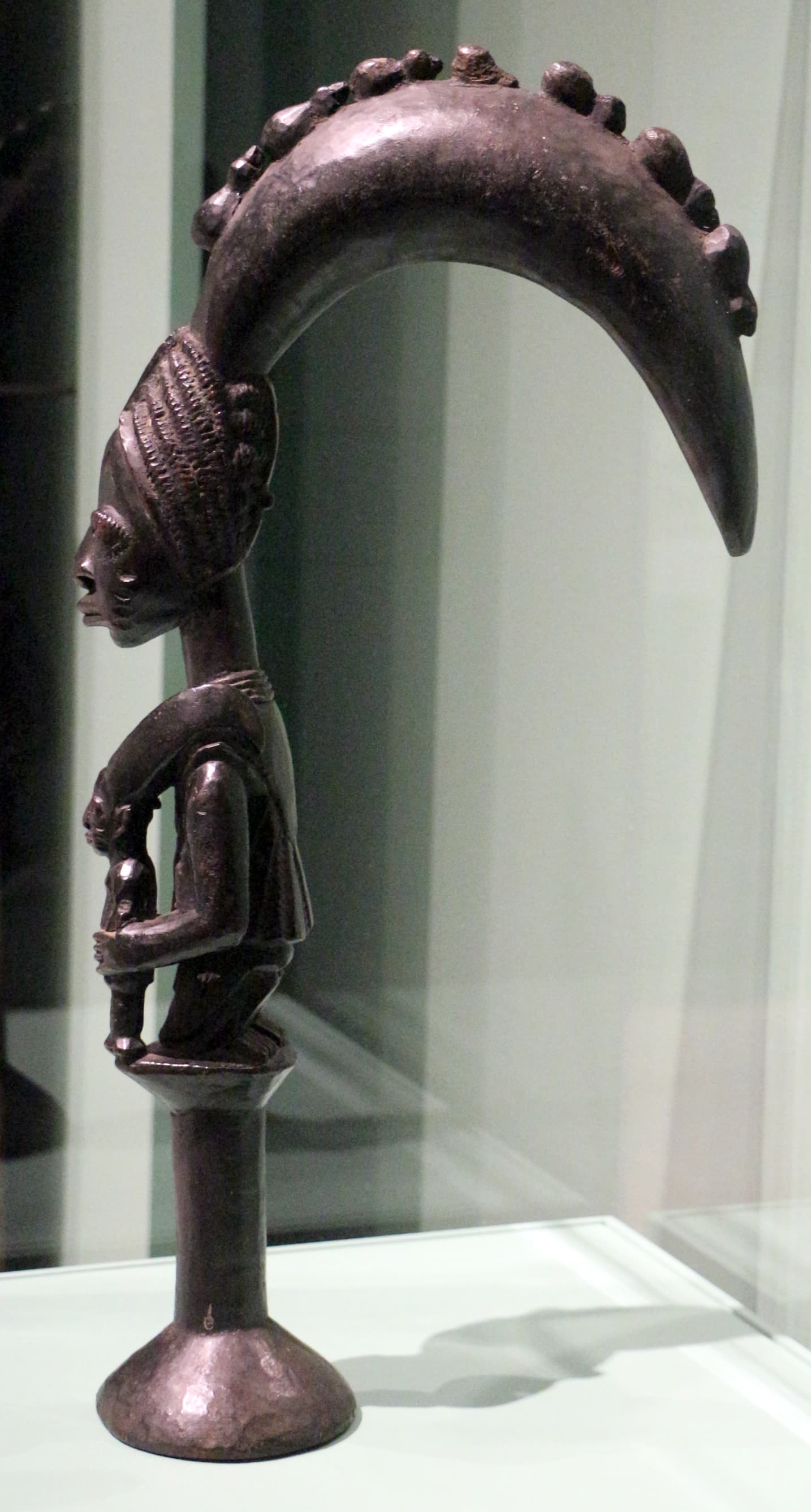
Cuba (Santería / Lucumí / Candomblé tradition, from Yoruba origin)
The Orisha of crossroads, doors, and beginnings in Cuban Santería — the trickster guardian who must be honored first in all ceremonies.

