
5
Protection
🖐️
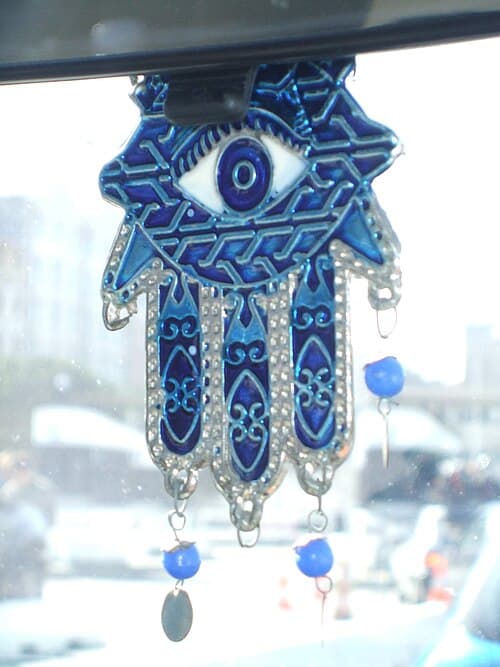
Hamsa Hand
Middle East
An open palm amulet warding off the evil eye across Middle Eastern and North African cultures.
4.9Learn more →

North Africa
10 charms from this country
Tunisia's amulet traditions show its layered history: Phoenician, Roman, Byzantine, Arab, Ottoman, and French influences all left marks on a vibrant folk-charm culture. The khamsa (hand of Fatima) is the supreme protective symbol, ubiquitous on door plates, jewelry, and textile ornaments. The fish (al-hut) is a beloved Tunisian lucky symbol — particularly popular among fishermen, it represents fertility, protection against the evil eye, and abundant food.
The evil eye (ain) is guarded against with blue beads, kohl, alum, and henna. Tunisian women wear elaborate silver jewelry set with coral beads at weddings and ceremonies; coral is believed to protect the wearer from envy and harm. The Berber heritage of Tunisia is preserved in tattoo traditions and jewelry forms that encode ancient protective motifs.
Middle East
An open palm amulet warding off the evil eye across Middle Eastern and North African cultures.
Middle East / North Africa
The sacred open palm named for the Prophet Muhammad's daughter, a cornerstone of Islamic protective symbolism.

Italy
The sea's living architecture, carried as a charm of protective blood-red vitality, ocean blessing, and the communal strength of structures built over generations.
Middle East / North Africa
The sacred number five made physical — a numeral-shaped amulet protecting against the five-fingered evil eye.
Middle East
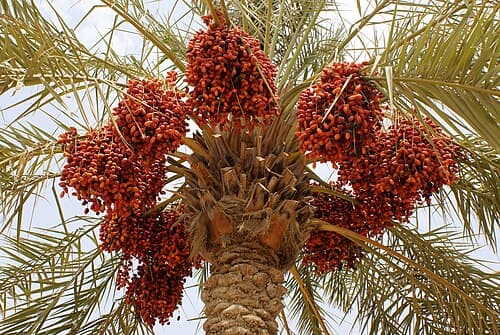
The tree of life of the desert, symbol of abundance in arid lands and the most generous of all Arabic trees.

Middle East
The crescent moon and star, a symbol of Islamic faith found on mosques, flags, and protective amulets across the Muslim world.

Morocco / Algeria / Tunisia
Ancient Amazigh cloak pin loaded with symbolic protective geometry, silver power, and tribal identity.
Morocco / Algeria / Tunisia
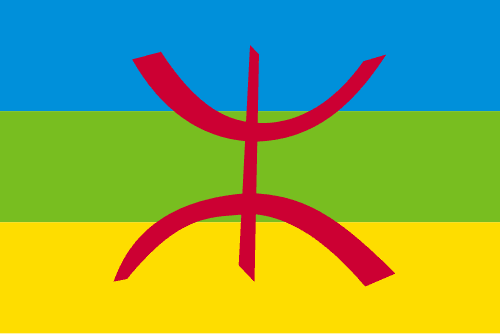
Ancient Amazigh geometric cross amulets carried for protection and tribal identity across North Africa's indigenous people.

Tunisia
The lucky Tunisian fish amulet, a pre-Islamic fertility and abundance symbol still widely used across the country.
Tunisia
A brass door knocker shaped as the Hand of Fatima, protecting Tunisian homes at the threshold between public and private worlds.

