
5
Protection
🖐️
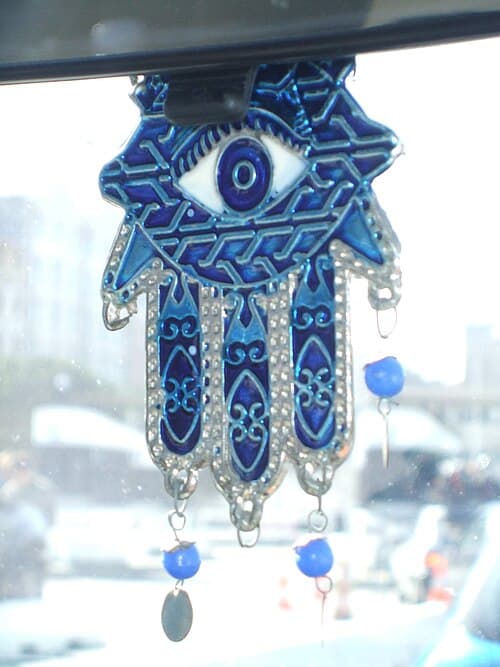
Hamsa Hand
Middle East
An open palm amulet warding off the evil eye across Middle Eastern and North African cultures.
4.9Learn more →

Middle East
7 charms from this country
Yemen's ancient civilization — home of the legendary Queen of Sheba — has one of the richest amulet traditions in the Arab world. Yemeni silver jewelry is among the most elaborate in the Middle East, and Yemeni women traditionally wear large pendants, head ornaments, and pectoral pieces set with silver, coral, amber, and carnelian as simultaneous wealth displays and protective amulets. The hand of Fatima is particularly prominent in Yemeni jewelry.
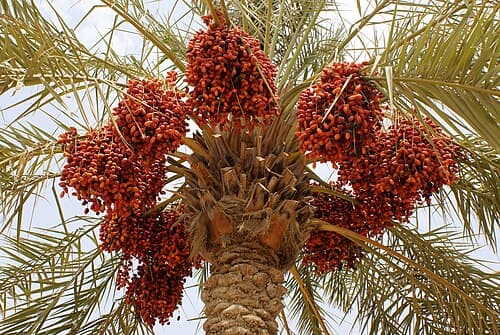
The evil eye is guarded against with a combination of Quranic verses, blue beads, and specific silver amulet cases containing written prayers. Frankincense and myrrh — ancient gifts of Arabia — are burned as spiritual purifiers. The date palm of the Hadramawt valley carries ancient associations of abundance. Specific plant amulets and animal-derived charms are used by traditional healers (faqih) in rural areas.
Middle East
An open palm amulet warding off the evil eye across Middle Eastern and North African cultures.
Middle East / North Africa
The sacred open palm named for the Prophet Muhammad's daughter, a cornerstone of Islamic protective symbolism.

Italy
The sea's living architecture, carried as a charm of protective blood-red vitality, ocean blessing, and the communal strength of structures built over generations.
Middle East
The tree of life of the desert, symbol of abundance in arid lands and the most generous of all Arabic trees.

Middle East
The crescent moon and star, a symbol of Islamic faith found on mosques, flags, and protective amulets across the Muslim world.
Yemen
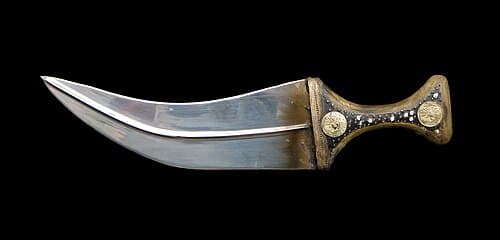
The curved ceremonial dagger of Yemen, worn by men as a symbol of honor, manhood, and tribal identity.
Lithuania
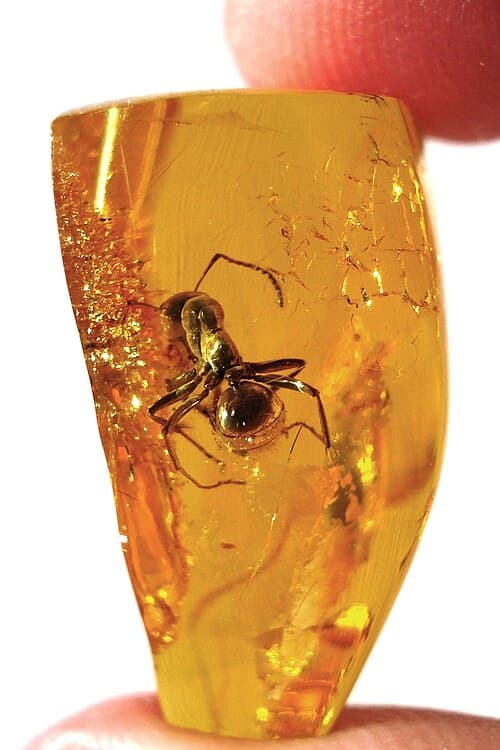
Ancient tree resin turned to golden stone over millions of years, carried as a charm of healing warmth, timeless wisdom, and the sun's preserved light.

