

20
Wealth
🪙
Lucky Penny
United Kingdom
The humble copper coin that promises a turn of fortune when found heads-up.
4.3Learn more →

Long before paper currency, coins were not just currency — they were sacred objects imbued with divine power. Explore how ancient civilisations from China to Rome turned money itself into the world's most practical lucky charm.
There is something deeply poetic about the idea that money itself can be a lucky charm. Yet this is precisely what human beings across nearly every civilisation have believed. From the earliest minted coins of Lydia in the 7th century BCE to the red-string-wrapped coins of modern Chinese feng shui practice, the coin has occupied a unique dual role: it is simultaneously the thing we desire and the talisman we use to attract more of itself.
Before coins existed, valuable objects — shells, obsidian, cattle, grain — served as both currency and sacred offering. The act of exchange was itself a ritual, often performed at temples or sacred marketplaces governed by divine law. When the first coins were minted, they inherited this sacred character.
The earliest coins, produced in the kingdom of Lydia (modern-day Turkey) around 600 BCE, bore the image of a lion — a symbol of royal and divine power. Greek and Roman coins similarly depicted gods, goddesses, and heroes, making every transaction a small act of engaging with the divine.
In China, the earliest metal currency took the form of miniature bronze tools — tiny spades and knives — before evolving into the iconic round coin with a square hole (方孔錢, fāng kǒng qián). The round shape represented heaven; the square hole represented earth. Carrying such a coin meant carrying the harmonised forces of the cosmos in your pocket.
Chinese coin charms have a history stretching back over two millennia and represent one of the most sophisticated systems of monetary magic ever developed.
The Five Emperor Coins: A set of coins from the reigns of the five most prosperous Qing Dynasty emperors — Shunzhi, Kangxi, Yongzheng, Qianlong, and Jiaqing — is considered among the most powerful feng shui wealth tools. These coins, strung on red cord, are placed in the wealth corner of homes, under thresholds, or in cash registers.
The Three-Coin Tie: Three Chinese coins bound with red string represent the trinity of heaven, earth, and humanity in perfect financial alignment. Placed in wallets, account books, or business ledgers, they are said to activate the flow of money through any financial system they touch.
Coin Swords: Dozens or even hundreds of old Chinese coins, wired or knotted together into the shape of a sword, are hung in homes to cut through obstacles to wealth and dispel negative energy that might block financial progress.
Roman soldiers and merchants carried coins bearing the face of Janus, the two-faced god of beginnings and transitions, as protective amulets before embarking on journeys or business ventures. The act of tossing a coin into a sacred fountain — most famously the Trevi Fountain in Rome — originally served as an offering to the gods of water in exchange for safe passage. Today's tradition of tossing a coin and making a wish is a direct descendant of this ancient practice.
Lucky coins called bulla were given to Roman children at birth, enclosed in a locket worn around the neck, to ward off the evil eye and attract divine favour throughout life.
The humble penny occupies an outsized place in Western folk magic. The widespread belief that finding a penny heads-up brings good luck derives from several converging traditions:
In England, a "lucky silver coin" — particularly a crooked or bent sixpence — was a traditional wedding gift, tucked into the bride's shoe. The custom of the bride carrying "something old, something new, something borrowed, something blue — and a silver sixpence in her shoe" persists today, though the coin is often forgotten by those reciting the rhyme.
Birth year pennies are a particularly potent variant of the lucky penny tradition: a coin minted in the year of your birth is said to be cosmically linked to your personal fortune and makes the most powerful wallet talisman.
Across religious traditions, gold coins appear repeatedly as symbols of divine favour and sacred wealth.
Chanukah Gelt: During the Jewish festival of Chanukah, gold-foil-covered chocolate coins are exchanged, echoing the historical practice of giving actual coins to children as celebration gifts. The coins symbolise the miraculous provision of the Maccabees and the light of divine abundance.
Gold Leaf Offerings: In Theravada Buddhist temples across Southeast Asia, worshippers press gold leaf onto sacred Buddha images and leave gold-coloured offerings to generate merit — spiritual wealth that translates into material wellbeing in this life and the next.
The Widow's Mite: In Christian tradition, the small coin offered by the widow in the Gospel of Mark has become a symbol of the paradox that the greatest generosity often comes from those with the least — a reminder that wealth charms work best when paired with a generous spirit.
Beyond formal religion, folk magic traditions worldwide have developed elaborate coin-based practices:
Hoodoo Money Drawing: In American Hoodoo tradition, a silver dime placed in a pair of shoes is said to protect against hexes and attract money to the wearer's path. The practice derives from African spiritual traditions blended with European folk magic during the era of slavery.
Scottish Coin Charms: In Scottish folk tradition, a silver coin dropped into the first bucket of milk from a cow in spring ensured the cow's continued productivity — a literal investment in the source of wealth.
Norse Silver Hoards: Viking-age Norsemen buried hoards of silver coins in the earth as offerings to the land spirits (landvættir), believing that the spirits would ensure the land's continued fertility and the family's prosperity in return.
The tradition continues vigorously today. Feng shui practitioners sell sets of antique-style Chinese coins in sets of three, six, or nine. Las Vegas casinos routinely receive visits from feng shui consultants who advise on coin placement for maximum financial flow. Tourists at fountains worldwide continue to toss coins and wish for prosperity.
The lucky coin wallet insert — a small card or pouch containing a coin and intention — has become a popular modern gift item, bridging ancient tradition and contemporary mindfulness practice.
What makes coins uniquely powerful as lucky charms is that they are already the thing they are meant to attract. Unlike a rabbit's foot or a four-leaf clover, a lucky coin is money — it has intrinsic value. Using it as a talisman rather than spending it is a small act of financial restraint and intentionality that, in itself, reflects the kind of relationship with money that tends to produce more of it.
The lucky coin, in this reading, is not magic. It is a daily reminder that you already possess what you seek, and that the careful stewardship of what you have is the surest path to abundance.
United Kingdom
The humble copper coin that promises a turn of fortune when found heads-up.
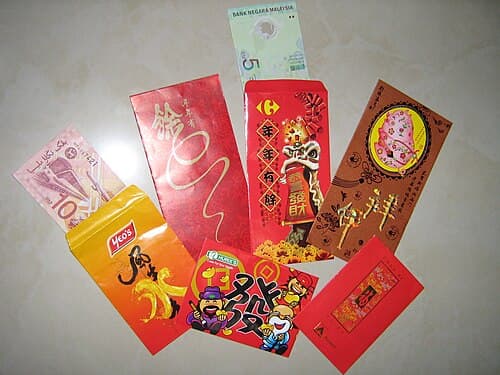
China
The red envelope (hongbao) is China's most universal good-fortune gift, transferring luck and blessings along with cash at every major life celebration.
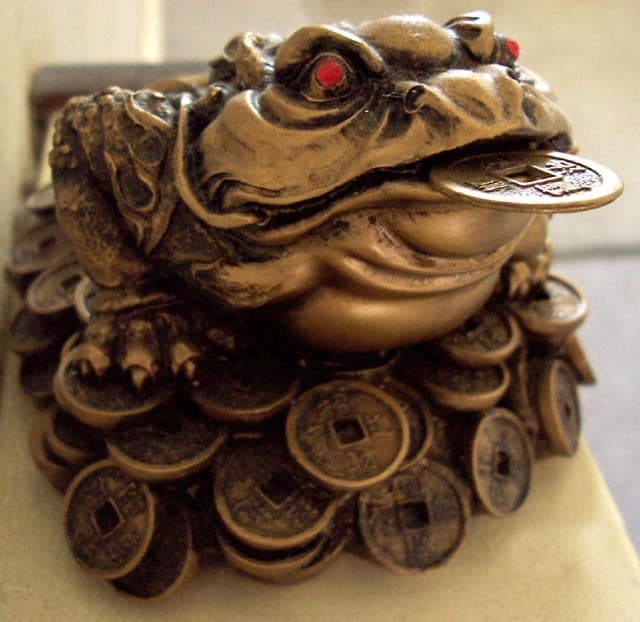
China
The three-legged toad sitting on coins with a coin in its mouth is one of feng shui's most potent wealth activators, said to attract money and prevent it from leaving.

Brazil
The golden abundance crystal, known as the Merchant's Stone, carried to attract wealth, success, and the warm energy of solar prosperity.

Egypt
The sacred Egyptian beetle of Khepri, symbol of transformation, rebirth, and the rising sun.

China
The Laughing Buddha — the round, joyful, sack-carrying monk — is China's most beloved symbol of happiness, wealth, and the simple abundance that comes from contentment.
Behind the mysticism lies a massive commercial machine. From Murano glass evil eyes to mass-produced Maneki-neko, the global lucky charm industry generates over $30 billion annually. Here is how the business of luck really works.
Are lucky charms mere superstition, or is there real psychology — and perhaps even neuroscience — behind why they work? The answer may surprise you.
Your workspace shapes your financial destiny more than you might think. Learn how to apply ancient feng shui principles and the right lucky charms to transform your home office into a magnet for opportunity and prosperity.

