

2
General
🍀
Four-Leaf Clover
Ireland
The rarest clover mutation, treasured as nature's own lucky charm.
4.9Learn more →

Europe - Eastern
9 charms from this country
Hungary's charm tradition is a blend of Magyar shamanic heritage, Slavic folk custom, and Catholic devotion. The pig is a central Hungarian lucky symbol at Christmas and New Year: eating pork on January 1st ensures that luck 'roots in' like a pig in the earth. The chimney sweep brings luck by encounter. The horseshoe and four-leaf clover are universal.
Hungarian folk embroidery from Kalocsa, Matyó, and other regions incorporates specific floral motifs — particularly the distinctive Hungarian rose — that carry protective blessings. The tátos (Hungarian shaman) tradition, officially suppressed for centuries, left folk traces in specific lucky practices involving horses and fire. The ancient Turul bird — a mythical eagle figure from Hungarian origin myths — is a symbol of divine protection and guidance.
Ireland
The rarest clover mutation, treasured as nature's own lucky charm.
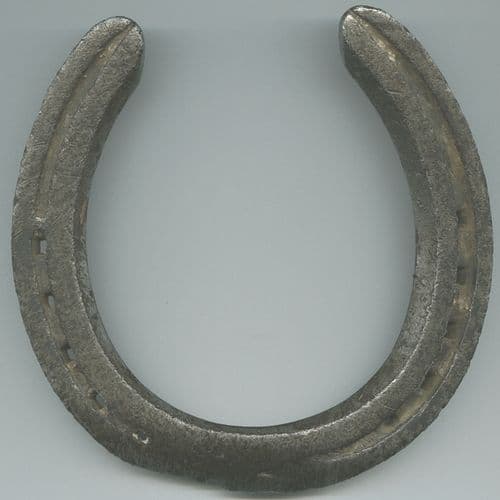
United Kingdom
An iron crescent hung above doorways to catch and hold good luck.

United Kingdom
The spotted red beetle that brings good fortune to whoever it lands upon.

United Kingdom
The humble copper coin that promises a turn of fortune when found heads-up.
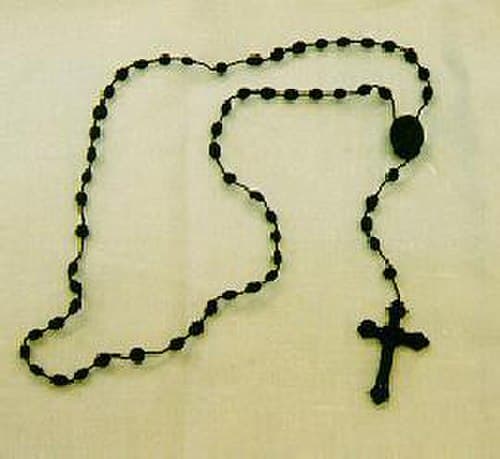
Medieval Europe
Rosary beads are the most recognizable Catholic prayer tool in the world, used by hundreds of millions for meditative prayer, protection, and the invocation of divine grace.
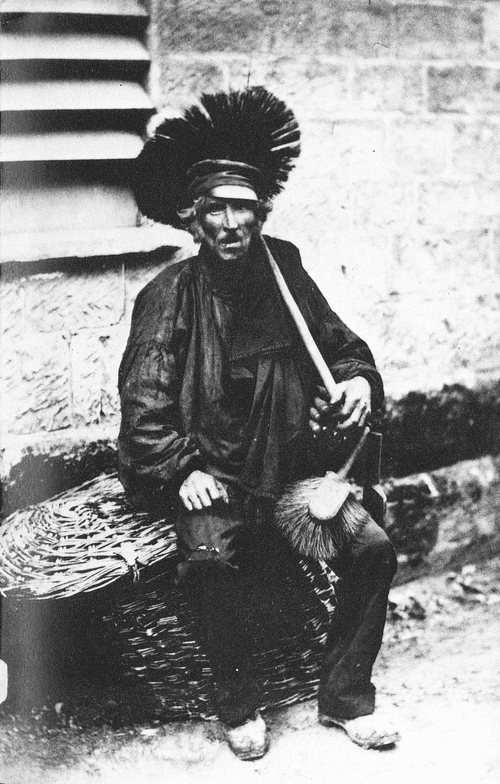
United Kingdom
The soot-covered bringer of luck whose handshake at a wedding guarantees happiness.

United Kingdom
The most universally lucky number in Western culture, encoded in the cosmos itself.

Hungary
The beloved tulip of Hungarian folk art — a symbol of love, spring renewal, and the flowering of life's gifts.
Hungary
The Magyar horseshoe charm bearing Pannonian luck traditions from Hungary's equestrian heritage.

