

2
General
🍀
Four-Leaf Clover
Ireland
The rarest clover mutation, treasured as nature's own lucky charm.
4.9Learn more →

Europe - Eastern
8 charms from this country
North Macedonia's charm tradition blends Macedonian Orthodox Christian practice with a substantial layer of folk superstition influenced by centuries of Ottoman rule. The evil eye (uroci in Macedonian, nazar in the Turkish-influenced tradition) is widely feared, and blue beads, garlic, and specific verbal charms are used against it. The horseshoe, four-leaf clover, and ladybug are European universals also practiced here.
Macedonian embroidery (везење) from different regions includes specific geometric motifs with protective meaning. The sun cross (an ancient Macedonian solar motif) appears on traditional objects and jewelry. The Macedonian Orthodox Church provides icons, crosses, and holy water for protection. Specific saints' day celebrations involve ritual foods with luck-bringing properties.
Ireland
The rarest clover mutation, treasured as nature's own lucky charm.
United Kingdom
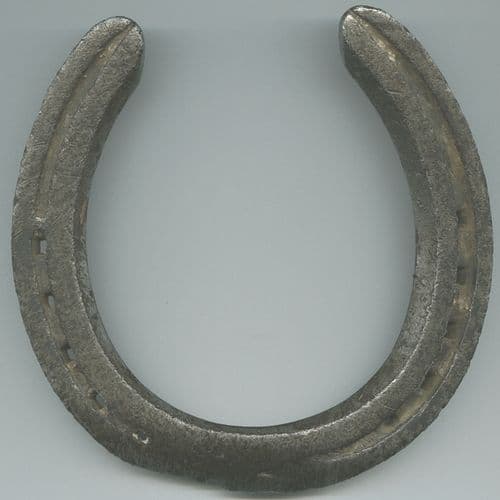
An iron crescent hung above doorways to catch and hold good luck.

United Kingdom
The spotted red beetle that brings good fortune to whoever it lands upon.

United Kingdom
The humble copper coin that promises a turn of fortune when found heads-up.

Early Christianity (Rome)
The Crucifix — a cross bearing the corpus (body) of Christ — is the central symbol of Christianity and one of the most powerful protective charms in the Western world.
Medieval Europe
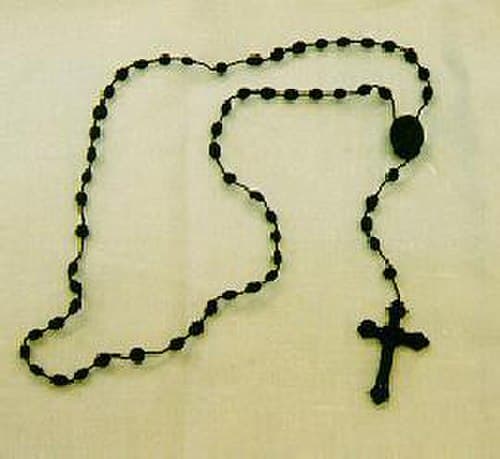
Rosary beads are the most recognizable Catholic prayer tool in the world, used by hundreds of millions for meditative prayer, protection, and the invocation of divine grace.

United Kingdom
The most universally lucky number in Western culture, encoded in the cosmos itself.

North Macedonia
North Macedonia's vibrant red poppy — a symbol of the fertile Vardar Valley, summer joy, and the resilience of beauty on difficult terrain.

