

2
General
🍀
Four-Leaf Clover
Ireland
The rarest clover mutation, treasured as nature's own lucky charm.
4.9Learn more →

From the four-leaf clover of Ireland to the hamsa of the Middle East, explore 50 lucky charms from every corner of the globe — the symbols billions of people have carried, worn, and revered for centuries to invite good fortune into their lives.
Every culture on earth has developed its own language of luck. Long before the internet connected traditions across continents, humans on opposite sides of the world were independently carving amulets, hanging horseshoes, planting sacred plants, and wearing blessed jewellery — all in pursuit of the same universal desire: to attract good fortune and keep misfortune at bay. This guide collects 50 of the most enduring good luck symbols from Europe, Asia, Africa, the Americas, and the Middle East, tracing their origins and the meanings that have kept them alive for generations.
The four-leaf clover is perhaps the most universally recognised good luck symbol in the Western world. In a field of ordinary three-leafed shamrocks, finding a four-leaf mutation is a rare event — odds are roughly 1 in 10,000 — which is precisely where its power lies. Each leaf traditionally represents a different blessing: faith, hope, love, and luck. Druids believed four-leaf clovers allowed them to see fairies and detect evil spirits before they could cause harm. Today the charm remains Ireland's most beloved export, appearing on everything from jewellery to tattoos worldwide.
The horseshoe has been hung above doorways for protection and good luck across Britain and Western Europe since at least the Middle Ages. Iron — the material from which horseshoes are forged — was believed to repel witches and evil spirits who feared the metal. The crescent shape echoed the moon goddess's power. Hung with the open end pointing upward, the horseshoe is said to catch and hold good fortune like a cup; pointed downward, it showers luck on all who pass beneath. Either way, a horseshoe above the door remains a fixture in rural homes across Britain, Germany, and Scandinavia.
The ladybird (ladybug in American English) is beloved across Europe as a harbinger of good luck, particularly in matters of love and weather. German farmers called it Marienkäfer (Mary's beetle), believing it was sent by the Virgin Mary to protect crops. In Britain, landing of a ladybird on your hand is said to bring luck proportional to the number of spots it carries. In France, a ladybird landing on a sick person signals the illness will depart with the insect when it flies away.
The acorn was considered a powerful luck charm by the Norse and Anglo-Saxons, who associated the oak tree with Thor, the god of thunder. Carrying a dried acorn was said to protect against lightning strikes and illness, and to bring good fortune in ventures. The Victorians popularised acorn motifs in jewellery and home décor during the 19th century as symbols of potential, patience, and prosperity. The phrase "mighty oaks from little acorns grow" encapsulates the charm's symbolism of small beginnings leading to great outcomes.
In German-speaking countries, meeting a chimney sweep — instantly recognisable in their traditional black top hat and soot-darkened clothes — is considered one of the luckiest omens possible. The tradition dates to when chimney sweeps kept homes safe from fire, making them welcome visitors who literally kept families alive. Today, miniature chimney sweep figurines are among the most popular New Year's good luck gifts in Germany and Austria, often paired with lucky pigs and four-leaf clovers.
The lucky pig (Glücksschwein or "luck pig") is central to German good luck culture, particularly at New Year. Pigs were historically symbols of wealth because owning pigs meant having food to spare. Marzipan pigs, piggy bank gifts, and pig-shaped chocolates are exchanged on New Year's Eve. The phrase Schwein gehabt ("had a pig") means "got lucky" in German colloquial usage — a linguistic trace of the charm's deep cultural roots.
The wishbone (or furcula) from a turkey or chicken has been a luck charm in Britain since at least the 14th century. Two people each grip one end, make a silent wish, and pull. The person who ends up with the larger piece is said to have their wish granted. The tradition likely descended from Etruscan divination practices in which chicken bones were used to read omens. Today, wishbone charms in gold and silver are popular jewellery gifts symbolising hope, wishes, and optimism.
The cornicello (little horn) is a twisted, horn-shaped amulet traditionally made from red coral, gold, or silver and worn throughout Southern Italy, particularly in Naples and Sicily. It wards off the malocchio (evil eye) and brings good luck to its wearer. The horn shape references ancient associations with animal virility and divine protection — Neolithic moon goddess figures often featured horn motifs. Red coral versions are considered the most potent, though gold and silver varieties are now far more common.
Across the Mediterranean, the belief in the evil eye (malocchio in Italian, nazar in Turkish) — a malevolent gaze capable of causing illness, bad luck, or misfortune — is ancient and deeply held. Blue glass eye amulets ward off this curse by reflecting it back to its source. The distinctive blue eye motif appears on jewellery, keychains, hanging decorations, and even baby clothing throughout Italy, Greece, and the broader Mediterranean world.
The Claddagh ring originated in the fishing village of Claddagh near Galway in the 17th century. It depicts two hands holding a crowned heart — the hands symbolising friendship, the heart love, and the crown loyalty. How it is worn conveys relationship status: on the right hand with the heart pointing outward signals availability; pointing inward signals taken; on the left hand pointing inward signals engagement or marriage. Beyond its romantic meaning, the Claddagh is considered a powerful good luck charm for relationships and family bonds.
The Maneki-neko (beckoning cat) is Japan's most recognised good luck symbol, displayed in businesses worldwide with one paw raised in perpetual welcome. The raised left paw attracts customers; the right paw draws money. Gold-coloured versions are considered especially powerful for wealth. The most cited origin legend involves an Edo-period temple cat that beckoned a feudal lord away from a spot where lightning struck moments later — saving his life and earning the cat eternal reverence.
The Daruma doll is a hollow, weighted papier-mâché figure based on Bodhidharma, the Indian monk credited with founding Zen Buddhism. Both eyes are left blank; the owner paints in one eye when setting a goal and fills in the second eye when the goal is achieved. The doll's weighted base causes it to right itself when knocked over — embodying the Japanese proverb nana korobi ya oki ("fall seven times, stand up eight") and making it a potent symbol of perseverance and goal-setting.
Jade holds a unique place in Chinese culture as the "stone of heaven" — more precious than gold for millennia, believed to connect the mortal world to the divine. Green jade absorbs and radiates vital life energy (chi), protecting its wearer from harm and attracting good fortune. Jade bangles, pendants, and pi discs (flat rings) have been worn and gifted for over 7,000 years. The stone is said to grow warmer and more vibrant as it bonds with its owner — a sign that it is working.
The beckoning cat coin combines the Maneki-neko symbol with traditional Chinese lucky coins, making it a dual-culture wealth charm popular across East Asia. These coins are often used as keyrings, inserted into red envelopes, or placed in cash registers to activate wealth-drawing energy. The fusion of Japanese luck symbolism with Chinese monetary iconography reflects the rich cross-pollination of fortune traditions across Asia.
The three-legged Money Frog (Jin Chan) is central to Chinese feng shui wealth practice. Depicted sitting on a pile of coins with a coin in its mouth, this mythical creature is said to appear near homes about to receive financial good news. Placement is critical: feng shui masters advise keeping the Money Frog facing inward in the southeast (wealth) corner of your home. Never place it in bathrooms, bedrooms, or facing the front door — doing so is said to reverse its fortune-drawing effect.
The red envelope (hongbao) filled with money is exchanged at Lunar New Year, weddings, and births across East Asia. Red symbolises luck, prosperity, and the warding off of evil spirits in Chinese tradition. The act of giving and receiving red envelopes has evolved into one of the world's most widespread gift-giving rituals, now conducted digitally through apps in China. Keeping an empty red envelope in your wallet year-round is believed to maintain the energy of abundance.
The Laughing Buddha (Budai or Hotei) is not the historical Siddhartha Gautama but a beloved folkloric Chinese monk said to wander the earth spreading happiness. His enormous belly symbolises contentment and abundance; rubbing it is believed to transfer good luck. A Laughing Buddha holding a gold ingot or an overflowing sack specifically attracts monetary fortune, while one carrying children is said to bless family happiness. He belongs to a tradition of "happy immortal" figures found across Chinese Buddhist and folk culture.
Often used interchangeably with the Money Frog but distinct in mythology, the three-legged toad (Chan Chu) is linked to the Chinese moon goddess Chang'e. Legend holds that her greedy husband was transformed into a three-legged toad as punishment, and the creature now lives on the moon, weeping tears of coins. Three-legged toad figurines — always depicted with red eyes and a coin in the mouth — are among the most popular feng shui wealth activators in Chinese homes and businesses.
Ganesha, the elephant-headed son of Shiva and Parvati, is the Hindu god of beginnings, wisdom, and the removal of obstacles. Before any new venture — business launch, journey, ceremony, or creative project — Hindus invoke Ganesha's blessings. His large elephant ears symbolise the importance of listening; his broken tusk, the sacrifice required for wisdom; his mouse companion, the mastery of desire. A Ganesha figurine near the entrance of a home or office is said to clear the path of impediments and welcome auspicious energy.
The Om (or Aum) symbol is one of the most sacred sounds and visual motifs in Hinduism, Buddhism, and Jainism. Representing the primordial vibration from which the universe was created, it is considered both a mantra and a talisman. Wearing the Om symbol — in jewellery, tattooed on skin, or displayed in homes — is believed to align the wearer with universal consciousness, bringing peace, clarity, and protection from negative energies. Its resonance extends across South and Southeast Asia wherever these traditions have spread.
Rudraksha beads are seeds from the Elaeocarpus ganitrus tree, sacred to the god Shiva. Legend holds that they were formed from Shiva's tears of compassion for suffering humanity. Worn as prayer beads or mala necklaces, rudraksha are said to calm the mind, protect against negative energies, and invite Shiva's blessings. The number of facets (mukhi) on each bead determines its specific properties — five-faced beads are the most common and are said to bestow overall good fortune and peace of mind.
The nazar boncuğu (evil eye bead) is a blue glass amulet produced in Turkey that has become one of the most commercially exported lucky charms in the world. The distinctive concentric circles — dark blue outer ring, light blue middle, white and black centre — mimic a watchful eye designed to reflect malevolent gazes back to their source. Turkish tradition holds that even a compliment offered without genuine goodwill can inadvertently cast the evil eye; the nazar provides constant passive protection. Hung in homes, cars, and nurseries, or worn as jewellery, it is ubiquitous across Turkey and the broader Eastern Mediterranean.
The koi fish is revered across East Asia as a symbol of perseverance, courage, and good fortune. Chinese legend tells of koi that swam upstream and leapt the Dragon Gate waterfall to be transformed into dragons — an allegory for rising above adversity to achieve greatness. In Japan, koi (nishikigoi) are kept in ornamental ponds and their patterns read for luck — red koi symbolise love and courage; gold koi represent wealth. Koi motifs appear across art, tattoo culture, and decorative objects throughout Asia and the Western world.
The lotus grows from muddy water to bloom in pristine beauty above the surface — a perfect metaphor for spiritual awakening, purity, and the transcendence of suffering. Sacred in Hinduism, Buddhism, and ancient Egyptian religion alike, the lotus appears as a lucky charm across a remarkable geographic spread. In Buddhism, the lotus represents enlightenment; in Hinduism, it is associated with Lakshmi, goddess of wealth; in ancient Egypt, it symbolised creation and the rising sun. Lotus motifs are considered auspicious in virtually every culture where the plant grows.
The hamsa (from the Arabic word for "five") is an open hand amulet used across the Middle East and North Africa — by Jews, Muslims, and Christians alike — as protection against the evil eye and a magnet for blessings and good fortune. In Jewish tradition it is called the Hand of Miriam; in Islamic tradition, the Hand of Fatima. The hamsa appears in two orientations: fingers pointing upward for protection, fingers pointing downward to attract abundance. It is among the most widely worn amulets in the world.
The scarab beetle (Scarabaeus sacer) was ancient Egypt's most potent amulet. The dung beetle's habit of rolling a ball of dung across the ground echoed the movements of the sun god Khepri rolling the sun across the sky — making the scarab a symbol of creation, rebirth, and the cyclical renewal of fortune. Pharaohs wore scarab rings; merchants carried scarab seals; the dead were buried with scarab heart amulets. Today, scarab jewellery in gold, lapis lazuli, and turquoise remains one of the most popular lucky charms purchased in Egypt.
The Eye of Horus (Wedjat) is an ancient Egyptian protective symbol representing the eye of the falcon-headed god Horus, which was injured in battle with Set and magically restored — making it a symbol of healing, protection, and restoration of fortune. Amulets bearing the Eye of Horus were placed on mummies and worn by the living as protection against illness and evil. The symbol's component parts were also used in ancient Egyptian fraction notation, giving it a dual life as both a magical and mathematical symbol.
The ankh — the cross with a loop at the top — is ancient Egypt's symbol for life itself. Gods are depicted holding ankhs as keys to eternal life; the dead were buried with ankh amulets to ensure rebirth in the afterlife. As a lucky charm, the ankh represents vitality, longevity, and the preservation of good fortune. It has enjoyed enormous cultural revival in modern times, appearing in jewellery, tattoos, and popular culture worldwide as a symbol of life-affirming power.
The crescent and star is one of the most recognisable symbols of the Islamic world, appearing on the flags of numerous Muslim-majority countries. While not a formal part of Islamic theology — Islam discourages the worship of symbols — the crescent and star motif has become widely used as a decorative protective charm, appearing on jewellery, home décor, and clothing worn by Muslims worldwide as a cultural identifier and expression of faith that invites divine protection.
Across Iran, Iraq, and the broader Arab world, blue eye amulets in various forms — glass beads, ceramic tiles, painted stones — ward off the evil eye (ayn al-hasad in Arabic). The tradition is ancient: blue glass has been used as protective jewellery in the Levant and Egypt since at least the 3rd millennium BCE. Modern Middle Eastern variants often incorporate Quranic verses alongside the eye motif, merging pre-Islamic folk protection practices with Islamic invocations of divine protection.
The cowrie shell has been one of the most widely used and meaningful objects in African culture for thousands of years. Before European colonisation introduced coinage, cowrie shells functioned as currency across West and Central Africa — making them intrinsically linked with wealth and abundance. In Yoruba spiritual practice (and its diaspora traditions of Candomblé, Santería, and Vodou), cowrie shells are sacred to the orishas and used for divination. Wearing cowrie shells is believed to attract prosperity, fertility, and ancestral protection.
Gye Nyame (meaning "except God" in Akan) is an Adinkra symbol from Ghana representing the supremacy of God and the omnipotence of divine protection. One of over 100 Adinkra symbols used by the Akan people to encode philosophical concepts in visual form, Gye Nyame appears on fabric, jewellery, pottery, and architecture. Wearing or displaying it is an expression of trust in divine protection and a reminder that all fortune ultimately derives from a higher power.
The Sankofa Adinkra symbol depicts a bird turning its head backward or a stylised heart shape — representing the Akan proverb "it is not wrong to go back for what you forgot." As a lucky charm, Sankofa symbolises learning from the past to navigate the future wisely, honouring ancestral wisdom as the source of present fortune. The symbol has been widely adopted by the African diaspora worldwide as a symbol of cultural reclamation, resilience, and forward momentum grounded in heritage.
The Ethiopian Coptic Cross is one of the oldest continuously used Christian symbols in the world, predating many Western cross designs by centuries. Ethiopian Coptic crosses — characterised by their intricate lattice patterns — are worn as jewellery and displayed in homes as protection against evil and an invitation to divine blessing. The complexity of the design symbolises the intricate weaving of God's protection around the wearer. They are crafted in silver and gold by skilled artisans using techniques passed down through generations.
Among the Yoruba people of Nigeria, twins (ibeji) are considered sacred and extraordinarily lucky — the Yoruba have one of the world's highest rates of twin births and have developed an elaborate spiritual tradition around them. If one twin dies, a carved wooden ibeji figure is made to house the departed twin's spirit and is cared for as if living. Families with ibeji figures are believed to enjoy special protection and fortune from the spirits of their twins. The figures have become widely appreciated as African art objects and lucky charms beyond their original context.
The dreamcatcher originates with the Ojibwe people of the Great Lakes region of North America, where the asabikeshiinh (spider) was a protective spirit. Traditional dreamcatchers are willow hoops strung with sinew in a web pattern and hung above sleeping spaces to catch nightmares and allow good dreams to pass through to the sleeper. Eagle feathers were hung from the frame to carry the good dreams gently to the sleeper. Today dreamcatchers are among the most widely produced and purchased Native American-inspired lucky charms worldwide.
The rabbit's foot as a lucky charm has complex, layered origins in African American hoodoo tradition, which blends West African spiritual practices with European folk magic and Indigenous American plant knowledge. Specifically, the left hind foot of a rabbit caught in a graveyard under a full moon was considered a powerful protective charm. The rabbit's extraordinary fertility and speed linked it to life-force energy. Today synthetic rabbit's foot keyrings are ubiquitous in American popular culture, though the charm's deep spiritual roots are less widely understood.
Feathers are considered sacred across numerous Native American traditions as gifts from the spirit world — each eagle feather earned rather than taken, representing specific achievements, honours, or spiritual gifts. More broadly, feathers as lucky charms are associated with freedom, communication with higher realms, and divine guidance. Finding a feather unexpectedly is widely interpreted across Indigenous and New Age traditions as a sign from ancestors or spirit guides, and carrying or displaying found feathers is believed to maintain that connection to protective spiritual forces.
The Chakana (Incan or Andean cross) is a stepped cross symbol representing the Andean worldview — the three levels of existence (underworld, middle world, and upper world) and the Southern Cross constellation that was central to Andean astronomy and spirituality. As a lucky charm, the Chakana connects its wearer to the full spectrum of existence and to the protective power of Pachamama (Mother Earth). Chakana pendants in silver are among the most meaningful good luck gifts from the Andean region.
Milagros (Spanish for "miracles") are small metal charms — depicting body parts, animals, hearts, houses, or other objects — pinned or nailed to religious icons, left at shrines, or sewn into clothing across Latin America. Each milagro represents a specific prayer or wish: a leg milagro for healing from injury; a heart milagro for matters of love; a house milagro for home protection. The tradition blends Catholic saint veneration with indigenous Mesoamerican votive offerings and is particularly vibrant in Mexico, Peru, and Guatemala.
Huayruro seeds — bright red with a black spot, from the Ormosia coccinea tree native to the Amazon — are considered powerful lucky charms throughout Peru and the Andean region. Traditionally worn in bracelets and necklaces, huayruro seeds are said to attract love, prosperity, and protection from negative energies. Their bold red colouring is associated with vitality and life force. They are among the most widely sold good luck charms in Peruvian markets and are gifted at births, New Year celebrations, and weddings.
The azabache is a black jet stone or glass bead worn as a bracelet or pinned to a newborn's clothing across the Caribbean — particularly in Puerto Rico, Cuba, and the Dominican Republic — to protect against the evil eye (mal de ojo). The tradition blends Spanish colonial folk beliefs with West African spiritual practices and indigenous Caribbean traditions. Black jet was believed to absorb negative energy directed at vulnerable individuals; babies and young children, considered especially susceptible to the evil eye, were protected from birth.
The hei-tiki is a pendant carved from greenstone (pounamu, a type of nephrite jade) worn by Māori people of New Zealand. The figure depicts a stylised human form — believed to represent the first man in some traditions, or a fertility deity in others. Hei-tiki are among the most treasured taonga (treasures) in Māori culture, passed down through generations as embodiments of ancestral mana (prestige and spiritual power). Wearing a hei-tiki connects the wearer to their ancestors and invites their protection. Commercial tiki pendants in bone and greenstone are popular tourist purchases but the sacred context of genuine taonga should be respected.
The belief in the evil eye is one of the most geographically widespread superstitions in human history, appearing independently across Mediterranean, Middle Eastern, South Asian, Mesoamerican, and Central Asian cultures. Despite the geographical distances between these traditions, the core belief is nearly identical: an envious or malevolent gaze can cause misfortune, illness, or damage to the target. Protective amulets — invariably eye-shaped or reflective — are the universal remedy. This convergence suggests either ancient cultural transmission or a deep human instinct to protect against the perceived danger of envious attention.
Lucky bamboo (Dracaena sanderiana) is one of the most popular living feng shui charms worldwide. Despite the name, it is not a true bamboo but a resilient houseplant that thrives in low-light conditions — making it ideal for offices and apartments. The number of stalks determines the type of luck attracted: two stalks for love, three for happiness/wealth/longevity, five for health, seven for good health and prosperity, eight for wealth, and nine for great fortune. Ten stalks represent perfection. Lucky bamboo is sold in virtually every florist and home goods store across Asia and the Western world.
The evil eye concept merits its own entry as a cross-cultural phenomenon. Documented in writings from ancient Mesopotamia, classical Greece and Rome, medieval Islamic scholarship, Renaissance Europe, and indigenous Americas alike, the evil eye is arguably the most universal lucky charm category in human history. The specific forms vary — blue glass in Turkey, red coral in Italy, jet black stone in the Caribbean, silver mirrors in South Asia — but the protective function is identical. Ethnographers estimate that the evil eye belief system is present in some form in over 40% of the world's cultures.
In Chinese culture, the number 8 is considered the luckiest number because its pronunciation (bā) sounds similar to the word for prosperity or wealth (fā). This belief is so powerful that phone numbers, car licence plates, apartment floor numbers, and wedding dates containing 8s command significant premiums in Chinese markets. The Beijing Olympics famously opened at 8:08 pm on 08/08/2008. While not a physical charm, the number 8 functions as a powerful abstract lucky symbol, appearing on numerological amulets and used to deliberately structure life choices across the Chinese-speaking world.
Healing crystals have been used as lucky charms and protective talismans across virtually every culture that has had access to gemstones. Citrine (yellow quartz) is the "merchant's stone" of prosperity; amethyst (purple quartz) protects against negative energy and supports clarity of mind; rose quartz attracts love. The tradition of assigning specific properties to specific stones appears in ancient Greek, Roman, Egyptian, Chinese, Indian, and Mesoamerican sources — suggesting this is one of humanity's most deeply ingrained lucky charm traditions, currently experiencing a massive global revival.
Salt is one of humanity's oldest and most universal protective charms. In ancient Rome, soldiers were partly paid in salt (salarium, the root of "salary"), making it literally valuable. Spilling salt was considered catastrophic bad luck — a superstition so widespread it appears across Europe, the Middle East, and Asia. Throwing a pinch of spilled salt over the left shoulder (to blind the devil waiting there) is the universal remedy. Salt is scattered across thresholds, sprinkled in corners of new homes, and used in purification rituals across dozens of cultures as both protection against evil and an invitation to abundance.
The nazar boncuğu has transcended its Turkish origins to become one of the world's most globally exported lucky charms. Blue glass evil eye beads from Turkish glassmakers in Izmir and Istanbul are now sold in gift shops and jewellery stores on every continent. Their simple, striking visual language — instantly readable across cultural barriers — has made them one of the most widely worn amulets of the 21st century. The factories of Görece village in Turkey produce hundreds of millions of nazar beads annually, a testament to the enduring human desire for protection and good fortune that transcends culture, religion, and geography.
Across these 50 traditions — spanning six continents, dozens of religions, and thousands of years — several common threads emerge.
Intention is the active ingredient. Every tradition emphasises that a charm must be acquired, activated, and used with conscious purpose. A horseshoe hung absent-mindedly is just a piece of iron; a horseshoe hung with gratitude and hope is a daily reminder of the fortune you are inviting.
Personal connection amplifies power. Charms that come as gifts, are inherited from ancestors, or are found rather than bought consistently carry more perceived power than mass-produced substitutes. The emotional charge of a meaningful object is itself a form of luck — it keeps your attention oriented toward what you desire.
Ritual maintains the relationship. Lucky charms across all traditions require ongoing care: cleaning, recharging, thanking. This regular engagement is not superstition for its own sake — it is a practice of sustained mindfulness about your goals and the forces you are cultivating.
Community reinforces belief. Lucky charms are rarely private. They are gifted, displayed, discussed, and shared. The social reinforcement of a tradition — knowing that millions of people across centuries have carried the same symbol with the same hopes — adds a genuine psychological weight that individual belief alone cannot replicate.
Whether you understand lucky charms as spiritual technology, cultural heritage, or psychological tools for intention-setting, the world is richer for the extraordinary diversity of symbols humanity has created to express its most fundamental hope: that fortune is not random, and that we have some small, beautiful power to invite it in.
Ireland
The rarest clover mutation, treasured as nature's own lucky charm.
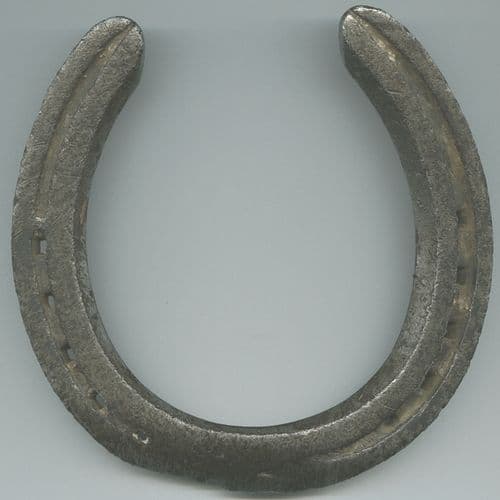
United Kingdom
An iron crescent hung above doorways to catch and hold good luck.
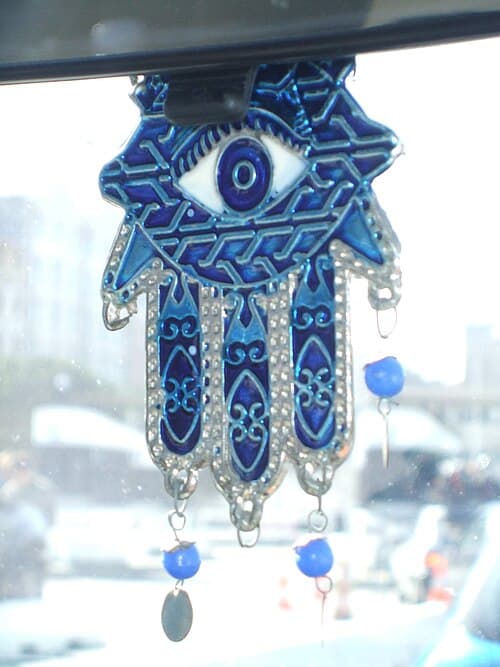
Middle East
An open palm amulet warding off the evil eye across Middle Eastern and North African cultures.

Japan
The beckoning cat is Japan's most iconic good-luck charm, believed to wave fortune, customers, and prosperity into any space it occupies.

Middle East
A blue glass bead charm that reflects the envious gaze before it can cause harm.

Egypt
The sacred Egyptian beetle of Khepri, symbol of transformation, rebirth, and the rising sun.

Ojibwe Nation, North America
A woven hoop hung above the bed to filter nightmares and allow only good dreams to pass through.
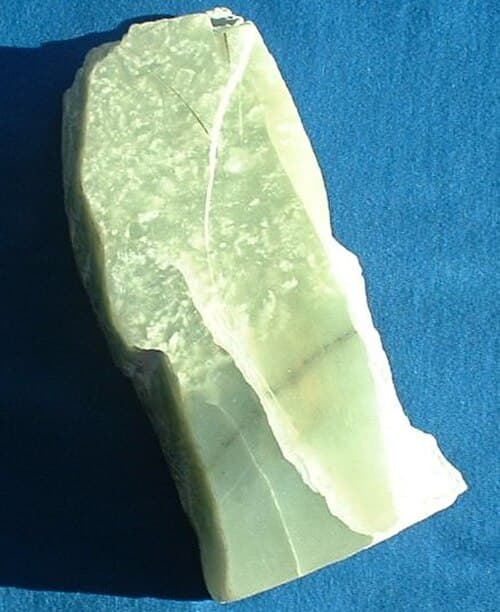
China
Revered for over 7,000 years, jade is the stone of heaven in Chinese culture, believed to protect health, ward off evil, and connect the wearer to divine virtue.

China
The Laughing Buddha — the round, joyful, sack-carrying monk — is China's most beloved symbol of happiness, wealth, and the simple abundance that comes from contentment.
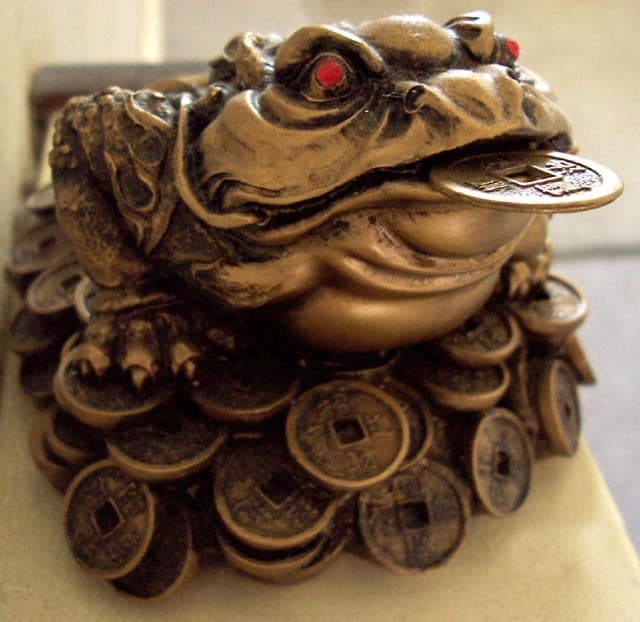
China
An ancient Chinese mythological creature, the three-legged toad of the moon is a powerful feng shui wealth symbol believed to attract money and protect against financial loss.

United Kingdom
The tiny seed of the mighty oak, carried for slow-growing but lasting luck.

India
The elephant-headed Hindu deity Ganesha is the remover of obstacles and the lord of new beginnings.

Egypt
The ancient Egyptian key of life, a symbol of immortality and the union of masculine and feminine forces.

West Africa
Ancient African currency and fertility symbol used across the continent for centuries.

China
Lucky Bamboo is a feng shui staple believed to bring good fortune, prosperity, and positive energy when placed in the home or office.

Japan
The koi fish symbolizes perseverance, ambition, and transformation — the legendary carp that swam upstream and leaped the Dragon Gate to become a dragon.
Ojibwe Nation, North America
A woven hoop hung above the bed to filter nightmares and allow only good dreams to pass through.

United Kingdom
The carried token of the animal renowned across cultures for its fecundity and quick fortune.
Traveling to holy sites around the world not only offers a glimpse into diverse cultures and histories but also provides an opportunity to collect meaningful...
Museums are treasure troves of creativity, showcasing the brilliance of artists from various eras and styles. While visiting these cultural institutions, man...
For jewelry enthusiasts, the allure of shimmering gems and intricate designs goes beyond mere aesthetics. It’s a journey of creativity, history, and personal...

